



North India’s Nutty Delight: Dhaniya Panjiri
In North India, especially in Punjab and Uttar Pradesh, Dhaniya Panjiri is a quintessential prasad. This isn't your everyday sweet; it's a unique, rustic preparation made from roasted coriander seed powder, ghee, powdered sugar, and a generous helping
of nuts and dried fruits like almonds, cashews, and makhana (fox nuts). While many associate 'panjiri' with whole wheat flour, the use of coriander powder is specific for Janmashtami as many devotees fast from grains on this day. Beyond its spiritual significance, this dish is also valued for its health properties, as coriander is believed to aid digestion, which is particularly helpful when breaking a day-long fast.
Bengal’s Seasonal Speciality: Taler Bora
Travel east to West Bengal, and the air during Janmashtami is filled with the sweet aroma of Taler Bora. These are deep-fried fritters made from the pulp of the ripe sugar palm fruit (Tal), which is in season during this time. The golden pulp is mixed with rice flour, semolina, coconut, and sugar or jaggery to create a thick batter. Spoonfuls of this batter are then fried until they turn a deep golden brown, resulting in a treat that is delightfully crispy on the outside and soft and spongy within. It is believed that the sugar palm is a favourite of Lord Krishna, making these fritters a beloved offering.
The Pride of Maharashtra: Shrikhand
In Maharashtra, Janmashtami celebrations, particularly those involving Dahi Handi, are vibrant and full of energy. A beloved dairy-based offering here is Shrikhand. This creamy dessert is made from hung curd (strained yogurt), which gives it a thick, luscious consistency similar to Greek yogurt. The hung curd is whisked with powdered sugar, and then delicately flavoured with cardamom, saffron, and sometimes a hint of rose water. Garnished with slivered pistachios and almonds, this cool, refreshing sweet is the perfect embodiment of Krishna's love for all things milk-based. It's a simple, no-cook recipe that delivers a rich and satisfying flavour.
Tamil Nadu’s Crunchy Bites: Vella Seedai
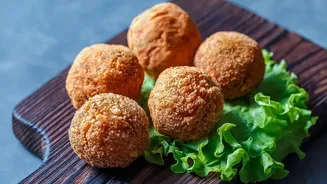
Head down to South India, and in Tamil Nadu, no Gokulashtami (as Janmashtami is known there) is complete without Seedai. These are small, crunchy, deep-fried balls that come in two varieties: a savoury 'Uppu' (salt) version and a sweet 'Vella' (jaggery) version. Vella Seedai is made from a dough of rice flour, urad dal flour, jaggery syrup, coconut, and sesame seeds. The dough is rolled into tiny, marble-sized balls and then fried until they are golden brown and crisp. These sweet, crunchy delights are considered a favourite of Lord Krishna and are prepared with great care in households across the state.
A Maharashtrian Savoury Staple: Gopalkala
While sweets dominate the festive platter, there are savoury preparations that hold special significance too. In Maharashtra, Gopalkala is a symbolic dish prepared for Janmashtami. It is a savoury mixture of poha (flattened rice), curd, cucumber, coconut, and a simple tempering. This dish is meant to represent the meal that Krishna would share with his friends, the cowherds, using ingredients they all brought together. It’s a simple, humble, and refreshing dish that embodies the spirit of community and sharing, which is central to the festival's celebrations.