



From 'I Do' to 'Doing Less'
The traditional honeymoon often looks like a whirlwind tour: checking off landmarks, rushing from one city to the next, and returning home more exhausted than when you left. But for couples like Aarav and Meera, who recently planned their post-wedding
escape, the goal was the opposite. After the beautiful chaos of their wedding, they craved connection, not consumption. This desire is fuelling the rise of the ‘slow honeymoon’—a thoughtful, immersive travel style that prioritises depth over distance and presence over performance. It’s less about seeing everything and more about experiencing one place fully. For many, the serene landscapes of Bali, Indonesia, have become the perfect backdrop for this intentional start to married life.
The Soul of a Wooden Cabin
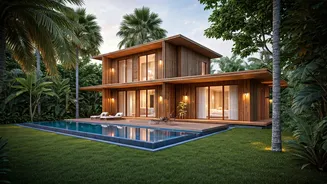
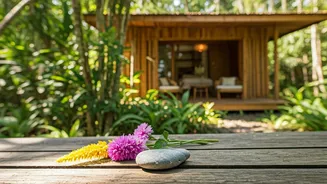
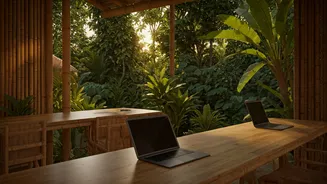
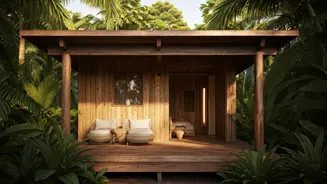
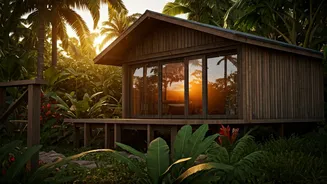
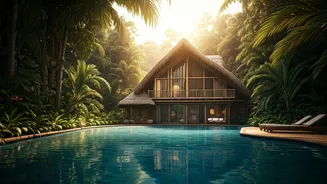
Central to this trend is the choice of accommodation. Instead of sprawling, anonymous resorts, couples are seeking out unique, eco-conscious stays. In Bali, this often means a traditional wooden cabin, like a ‘Joglo’ or ‘Gladak’—antique Javanese houses disassembled, moved, and lovingly rebuilt amidst rice paddies or lush jungle. These structures, often crafted from reclaimed teak wood, are more than just a place to sleep. They represent a commitment to sustainability and a connection to local heritage. Waking up to the sounds of the jungle, with sunlight filtering through intricately carved wood, offers a sense of grounding and peace that a standard hotel room rarely can. These eco-lodges are designed to blend with their environment, often incorporating open-air living spaces, natural pools, and organic gardens that supply their kitchens.
An Itinerary of Intentional Moments
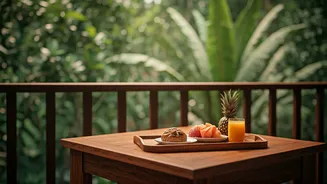
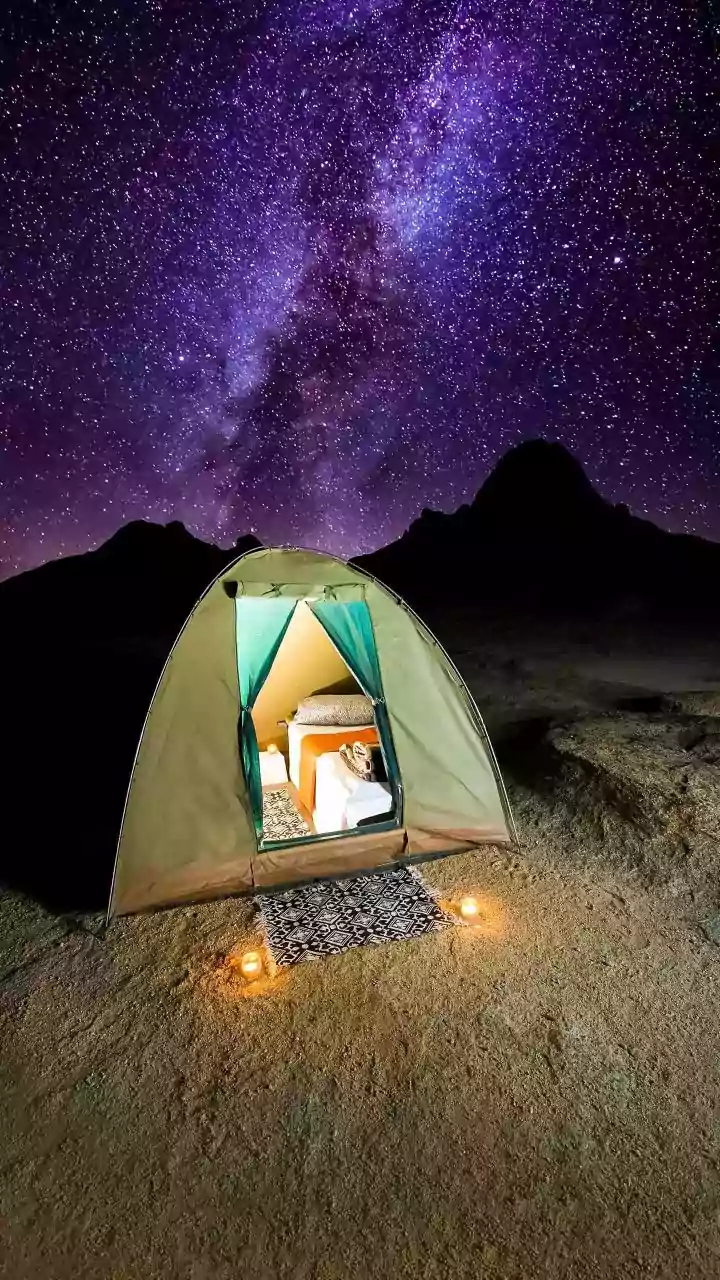
So, what does a ‘slow’ day look like? It’s a schedule defined by gentle rhythms rather than rigid appointments. A typical morning might begin with a sunrise yoga session on a wooden deck overlooking a valley, followed by a long, leisurely breakfast of tropical fruits and locally sourced coffee. The afternoon isn't for rushing to a tourist hotspot but perhaps for a quiet walk to a nearby village, a hands-on Balinese cooking class using ingredients picked from the garden, or simply reading a book in a hammock. The evenings are for shared meals under the stars and conversations uninterrupted by the ping of a smartphone. By consciously choosing to do less, couples create the space to simply be with one another, allowing for the spontaneous, unscripted moments that become the most cherished memories.
Connecting with Culture, Not Just Consuming It
The eco-honeymoon goes beyond just environmental consciousness; it’s about cultural respect. Slow travel encourages a more meaningful interaction with the local community. Instead of a generic bus tour, couples might opt for a guided trek with a local farmer who explains the ancient ‘subak’ irrigation system, or they might learn the art of batik printing from a family of artisans. This approach ensures that tourism dollars directly support local people and preserve traditional crafts. It transforms the trip from a passive act of observation into an active exchange. By choosing operators and experiences that are community-owned and environmentally responsible, newlyweds are making a powerful statement: that their new life together begins with a commitment to making a positive impact on the world they explore.
Designing Your Own Slow Escape
For those inspired to plan a similar journey, the key is a shift in mindset. Start by asking not “how much can we see?” but “how deeply can we connect?” Research boutique eco-lodges instead of large hotel chains. Look for properties that highlight their sustainability practices and community engagement. When building an itinerary, block out entire afternoons for ‘nothing.’ Prioritise experiences that involve learning a new skill or engaging with local culture. It’s about curating a trip that reflects your values as a couple. Whether in Bali or elsewhere, the principles remain the same: slow down, embrace simplicity, and focus on the quality of your time together.