



Beyond the 100-Mile Diet
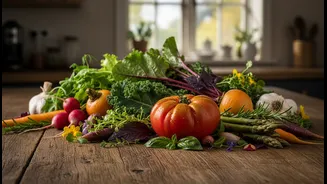
For years, 'local' was the buzzword, often referring to ingredients sourced within a 100-mile radius. Hyperlocal takes this concept to its extreme. We’re talking about vegetables grown in a restaurant's own kitchen garden, herbs from a rooftop planter,
or cheese from an artisan producer in the next village. Some define it as ingredients sourced from within just a few miles, or even steps, from the kitchen. This radical proximity minimizes the distance from farm to table, ensuring an unparalleled level of freshness that fundamentally changes the taste and nutritional value of the food. When produce is harvested at its peak and served within hours, it retains more vitamins and delivers a flavour intensity that ingredients transported across continents simply cannot match.
A Story in Every Morsel
A key element of this new luxury is context. Diners are no longer just consuming a meal; they are engaging with a narrative. Knowing the story behind an ingredient—the specific soil it grew in, the farmer who nurtured it, the unique seasonal conditions that shaped its flavour—adds an intangible but profound value. This shift is driven by a consumer desire for authenticity and a deeper connection to their food. It’s a move away from the anonymous perfection of mass-produced luxury towards something more personal and meaningful. Chefs become storytellers, and a dish is transformed from a mere product into an experience that reflects a specific place and moment in time.
The Ultimate Exclusive Club
In a world of global supply chains, where almost anything can be had at any time, true scarcity has become the ultimate luxury. Hyperlocal food delivers this exclusivity not through price, but through its inherent limitations. A particular wild herb might only be available for two weeks a year, or a specific variety of tomato might only be grown in a single restaurant's garden in small batches. This fleeting availability creates a unique and unrepeatable dining experience. You can't just order it whenever you want; you have to be there at the right time and place. This seasonality and limited supply make the meal a coveted event, a distinct departure from the predictable menus of traditional fine dining.
The Indian Hyperlocal Vanguard
This movement is flourishing across India, with chefs and restaurateurs championing indigenous ingredients and farm-to-fork philosophies. In Mumbai, Masque's Chef Varun Totlani puts hyperlocal produce at the centre of modern menus, using ingredients like prickly pear in new and exciting ways. Near Bengaluru, Farmlore operates on a 33-acre farm, with its menu dictated by seasonal availability and fire-led cooking. In Chennai, The Farm offers a rustic experience with meals made from their own organic vegetable gardens and dairy. These establishments, and others like them, are not just cooking food; they are preserving regional culinary traditions and celebrating India's immense biodiversity. By focusing on ingredients like Bandel cheese or foraged Himalayan herbs, they are rewriting the rules of modern Indian cuisine.
Sustainability as a Status Symbol
Underpinning the entire hyperlocal movement is a deep commitment to sustainability. By drastically reducing 'food miles,' restaurants lower their carbon footprint and reduce dependency on transportation and packaging. This approach supports local economies by keeping money within the community and fostering relationships between chefs and small-scale producers. Many hyperlocal farms also employ organic and sustainable growing methods, which means less exposure to chemical pesticides and healthier ecosystems. For a growing number of discerning diners, choosing a restaurant that prioritizes these practices is a statement of their own values. Sustainability is no longer just an ethical choice; it has become a new form of status.