








The Forgotten Flavours in Our Backyards
For generations, long before supermarkets stacked perfectly uniform bunches of spinach, our ancestors relied on the bounty of the land. They foraged for what grew wild, turning overlooked plants into flavourful and nutritious meals. This knowledge, passed
down through generations, is experiencing a quiet revival across India. From urban gardeners in Bengaluru to home cooks in Kerala, people are rediscovering the edible weeds and leaves that grow in backyards, parks, and fields. This trend is not just about trying something new; it's about reconnecting with a more sustainable and deeply rooted food culture, where every season brings a different kind of harvest, often for free.
Meet Your Wild Neighbours
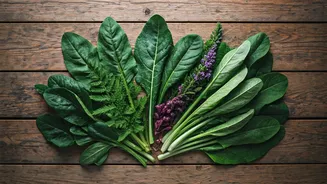
Many of these plants are likely familiar sights, even if you never considered eating them. Take kulfa (purslane), a common weed with succulent leaves and a pleasant, slightly sour taste. Then there's bathua (lamb's quarters), a winter green with a rich, earthy flavour similar to spinach, which is a nutritional powerhouse. In the Himalayan region, bichu buti (stinging nettle) is a prized green that, once cooked, loses its sting and imparts a deep, nourishing flavour to broths and saags. Other regional treasures include the tender leaves and flower buds of kachnar (bauhinia), gongura (sorrel leaves) known for its tangy taste, and the ever-versatile moringa (drumstick) leaves, packed with nutrients. Learning to identify just a few of these can open up a whole new culinary world.
From the Wild into the Kitchen
Incorporating these greens into your cooking is surprisingly simple, as they often slot perfectly into traditional recipes. The key is to play to their strengths. The tangy notes of kulfa are wonderful raw in a raita or lightly sautéed as a simple sabzi. Hearty greens like bathua are a fantastic addition to dal or can be cooked down into their own saag, often tempered with ginger, garlic, and cumin seeds. The famous North Indian sarson ka saag often includes a mix of mustard greens, spinach, and bathua to create a more complex flavour profile. More delicate greens, like sweet potato leaves, can be treated just like spinach and stir-fried. You can stuff them into parathas, blend them into chutneys, or add them to kadhi, deepening the flavour and nutritional value of everyday meals.
More Than Just a Meal
This movement towards using wild greens is about more than just taste. Many of these foraged plants are incredibly nutrient-dense, often richer in micronutrients, vitamins, and minerals like iron and calcium than their cultivated counterparts. They are champions of biodiversity, thriving without the need for pesticides or intensive farming. By bringing these forgotten foods back to our tables, we are not only diversifying our own diets but also supporting a more resilient and sustainable food ecosystem. It’s a way to appreciate the incredible natural wealth around us and challenge the idea that all our food must come from a store.
A Note on Safe and Responsible Foraging
The golden rule of foraging is simple: if you can't identify it with 100% certainty, don't eat it. Start by learning to recognise one or two common edible weeds in your area from a reliable source. It's crucial to harvest from clean locations, well away from busy roads, drains, or areas that may have been sprayed with pesticides. When you do pick, be gentle. Take only what you need and leave plenty of the plant behind to ensure it continues to grow for seasons to come. A little caution and respect for nature will ensure your foraging adventures are both safe and sustainable.