


Master the Art of Tempering with Panch Phoron
Panch Phoron, which literally means 'five spices', is the quintessential Bengali tempering blend. It's a colourful mix of whole seeds: cumin (jeera), fennel (saunf), nigella (kalonji), fenugreek (methi), and mustard (shorshe), typically used in equal
parts. Unlike powdered masalas, Panch Phoron is almost always used whole. The magic happens when you sizzle a spoonful in hot mustard oil or ghee at the beginning of your cooking. As the seeds pop and crackle, they release a complex, aromatic flavour that forms the base for countless vegetarian dishes, from simple stir-fried greens to lentil dals and potato curries. The blend provides a harmony of flavours—bitter, sweet, and pungent—that is signature to Eastern Indian cooking.
Embrace the Pungent Power of Mustard
Mustard is central to the Bengali flavour profile, used both as an oil and a powerful paste called 'shorshe bata'. Cooking with mustard oil imparts a unique pungent warmth that is difficult to replicate. For a truly iconic Bengali taste, try making a paste from soaked yellow and black mustard seeds, often blended with green chillies and a little salt. This creamy, sharp paste can be used to create stunning gravies for vegetables like eggplant (Begun Shorshe) or potatoes. The strong, piquant flavour of the mustard is often balanced with a hint of sweetness from sugar or the sourness of tomato, creating a beautifully balanced and addictive dish.
Finish with a Flourish of Bhaja Masala
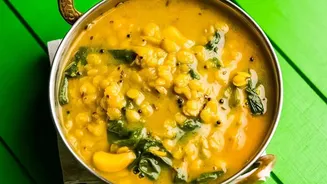
While Panch Phoron starts a dish, Bhaja Masala often finishes it. 'Bhaja' means roasted, and this is a fragrant powder made from dry-roasting whole spices and then grinding them. Common ingredients include cumin seeds, coriander seeds, and dried red chillies, but variations might also feature fennel, bay leaves, cinnamon, or cloves. The process of dry roasting brings out a deep, nutty, and smoky aroma that adds incredible depth. A sprinkle of Bhaja Masala towards the end of cooking or even just before serving can elevate simple dishes like mixed vegetable torkari, ghugni (a yellow pea curry), or even just a simple dal. It's the secret weapon for adding a final layer of authentic Bengali flavour.
Discover the Simplicity of Bengali Garam Masala
If you're used to the complex, multi-spice Garam Masala of North Indian cooking, the Bengali version will be a revelation. It is a minimalist, yet highly aromatic blend, typically consisting of just three ingredients: green cardamom, cloves, and cinnamon. Sometimes bay leaves are included, but the core trio is what defines it. This blend is not about heat, but about a sweet, warm fragrance. Unlike other versions, the spices are often ground without being toasted first to preserve their delicate aroma. It’s usually added right at the end of cooking, often with a spoonful of ghee, to lend a beautiful, subtle perfume to dishes like dalna (a light curry) or rich vegetable preparations.
Build a Fresh Base with Ginger and Chilli
Beyond the complex blends, one of the simplest yet most effective flavour bases in Bengali vegetarian cooking is a fresh paste of ginger and green chillies (ada-kancha lanka bata). This combination provides a fresh, sharp heat and pungency that brightens any dish it's added to. It forms the foundation for many vegetable stir-fries and light curries. Frying this paste in oil at the start of your cooking releases its vibrant aroma, creating a clean-tasting and zesty backbone for other ingredients to build upon. It proves that creating delicious, layered flavour doesn't always require a long list of dried spices, but can start with just two fresh, powerful ingredients.