




Artemis: A Return to the Moon, Together
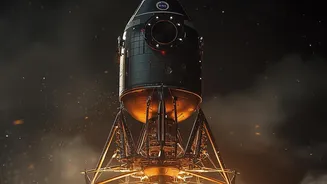
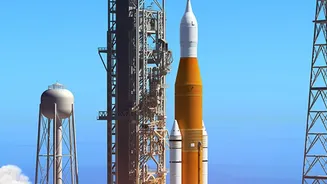
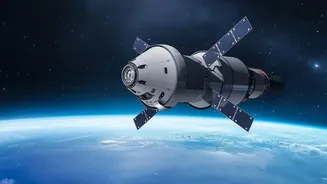
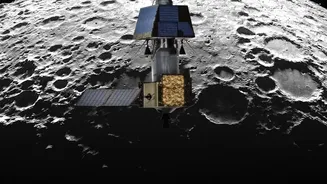
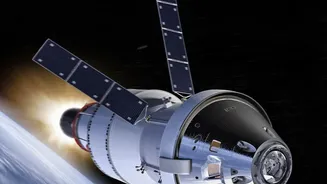
NASA's Artemis program is arguably the most ambitious space venture of this generation, aiming not just to return humans to the Moon, but to establish a sustainable presence there. For India, this isn't just a spectator sport. Having signed the Artemis Accords,
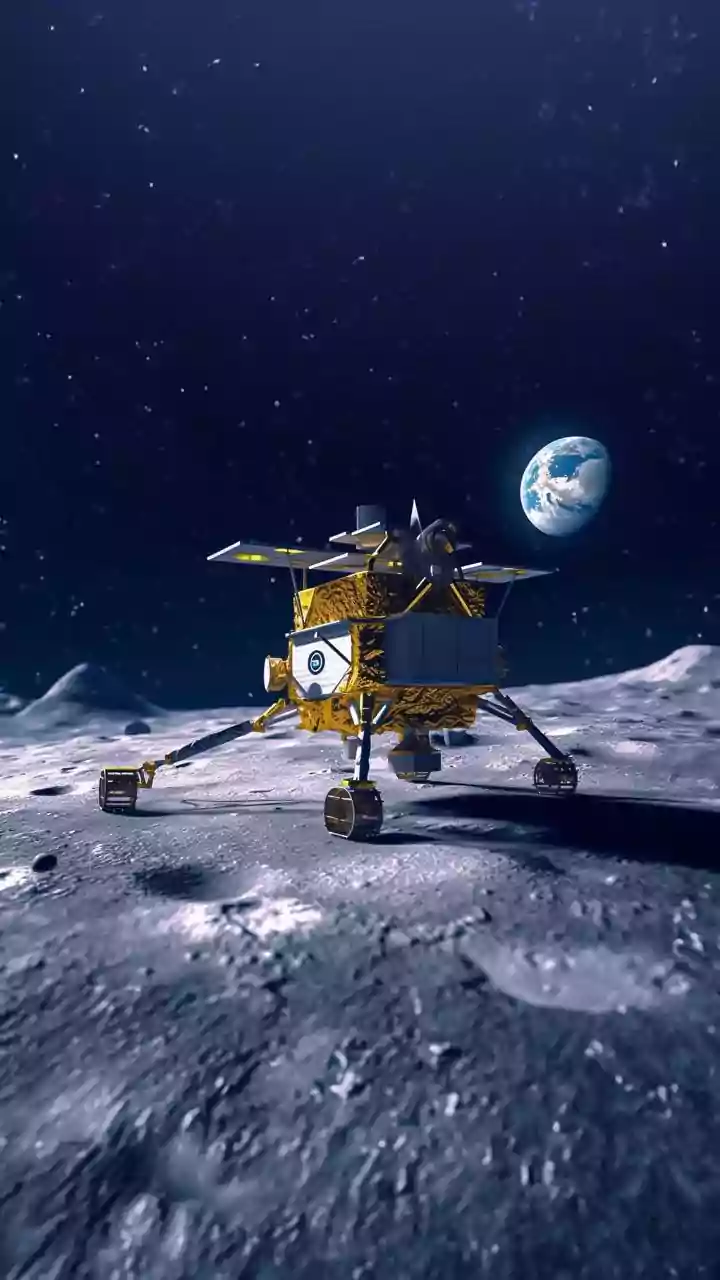
India is a partner in this new era of lunar exploration. In August 2026, NASA officially invited ISRO to participate in building a permanent base near the Moon's south pole, the very region where Chandrayaan-3 made its historic landing. This collaboration could provide India with access to cutting-edge technologies and opportunities for sustained lunar operations, while NASA could benefit from India's renowned frugal engineering and lunar science experience. With ISRO planning its own human spaceflight missions (Gaganyaan) and a goal to land an Indian on the Moon by 2040, the developments within the Artemis program offer a direct preview of the challenges and triumphs that lie ahead for both nations.
NISAR: A Joint Eye on Planet Earth
The NASA-ISRO Synthetic Aperture Radar (NISAR) mission is a prime example of the deepening space partnership between the two nations. Launched in July 2025, this sophisticated Earth-observation satellite is equipped with both an L-band radar from NASA and an S-band radar from ISRO. By 2026, NISAR is actively providing an unprecedented, detailed view of our planet, tracking changes in ecosystems, ice sheets, and the Earth's crust. For India, the applications are immense and immediate. NISAR's data is crucial for monitoring agricultural biomass, managing natural disasters like floods and landslides, studying the health of Himalayan glaciers, and observing coastal changes. ISRO has even established the NISAR Utilization Programme to help Indian researchers leverage this freely available data. It represents a shift from exploration to application, using space technology to address critical challenges on Earth.
Europa Clipper: The Search for Alien Life
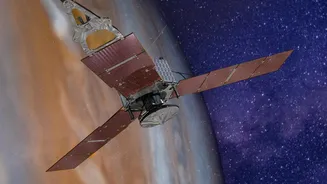
One of the most profound questions humanity can ask is: are we alone? NASA's Europa Clipper mission, launched in October 2024, is designed to tackle this question head-on. The spacecraft is currently on a long journey to Jupiter's icy moon, Europa, which is believed to hide a vast liquid water ocean beneath its frozen shell. In December 2026, Europa Clipper will perform a crucial gravity-assist flyby of Earth, slinging it on its path toward a 2030 arrival in the Jupiter system. Once there, it will perform dozens of close flybys of Europa, using its instruments to determine if the moon's hidden ocean has the conditions suitable for life. While there's no direct Indian hardware on this mission, its scientific goals resonate with the planetary exploration ambitions of ISRO, which has already tasted success at Mars with Mangalyaan. The search for habitable worlds is a global endeavor, and Europa Clipper's findings could change our understanding of life in the cosmos.
Mars Sample Return: An Ambitious Next Step
After sending orbiters and rovers to Mars, the next great challenge is bringing a piece of it back to Earth. The Mars Sample Return (MSR) mission, a joint campaign by NASA and the European Space Agency, aims to do just that. NASA's Perseverance rover has already collected and cached dozens of scientifically interesting rock and soil samples on the Martian surface. The plan involves a future lander that would retrieve these samples, launch them into Mars orbit, and have another spacecraft capture and fly them back to Earth. However, the mission faces significant budgetary and technical challenges, leading to major restructuring and delays from its original 2026 launch target. For India, which successfully placed its own orbiter around Mars, the MSR mission is a crucial one to watch. It highlights the immense complexity and cost of the next phase of planetary exploration and will inform how ISRO and other space agencies plan their own future deep-space missions.