





From Calories to Chemicals
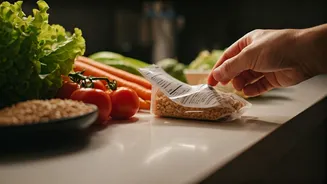
For years, the focus of a health-conscious shopper was on calories, fat, and sugar content. But a significant change is underway. Today’s families are looking past the big numbers and diving deep into the fine print. They are asking different questions:
What exactly is a ‘nature-identical flavouring substance’? Why does a simple snack need an emulsifier and a stabilizer? This growing suspicion of complex, chemical-sounding names is driving a powerful consumer trend known as the 'clean label' movement. At its core, it’s a demand for simple, recognizable ingredients and a rejection of anything that sounds like it was made in a lab rather than a kitchen.
The Rise of the 'Clean Label' Shopper
The 'clean label' trend in India is booming, with the market projected to grow at one of the highest rates in the Asia-Pacific region. This surge is fuelled by a desire for transparency and a belief that 'natural' is healthier. Consumers increasingly associate clean labels with products that are minimally processed and free from artificial additives, colours, and preservatives. For many parents, it's about taking back control over their family's health, one shopping cart at a time. This shift is not just about avoiding 'bad' ingredients; it's about actively choosing products that align with a healthier, more natural lifestyle. Many are even willing to pay more for products they trust.
Ingredients Under the Magnifying Glass
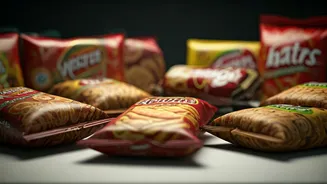
So, what are these label-reading families looking to avoid? The list is growing, but some common culprits top the list. Artificial food colours, often designated by 'E' numbers, are a major concern, with some linked to hyperactivity in children. Preservatives like nitrates and benzoates are also viewed with suspicion due to potential health risks. High-fructose corn syrup, various gums, and thickeners like carrageenan are other additives that raise red flags for discerning shoppers. The concern also extends to ultra-processed foods (UPFs), which are industrial formulations high in salt, sugar, and unhealthy fats, with sales having grown exponentially in India. Even seemingly traditional Indian snacks, when packaged, are being found to contain ultra-processed ingredients.
The Social Media Effect
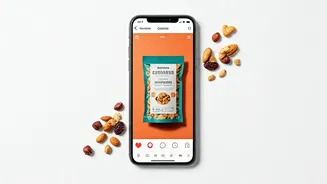
This movement hasn’t happened in a vacuum. Social media platforms have become a major source of information—and sometimes misinformation—about food. Instagram influencers and WhatsApp groups share tips on 'clean' products and lists of ingredients to avoid, creating a powerful network of citizen watchdogs. While this democratisation of information empowers consumers, it also puts pressure on brands to be more transparent. A single viral post about an undesirable ingredient can significantly impact a product's reputation. This has transformed consumers from passive recipients of marketing to active participants in the food narrative.
How the Food Industry Is Responding
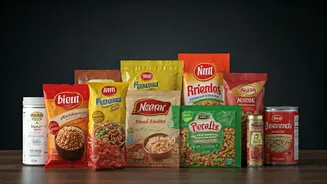
The food industry is taking note. Leading brands are actively reformulating their products to meet this growing demand. This includes removing artificial colours and flavours, switching to natural sweeteners like jaggery and dates, and simplifying ingredient lists. Transparency has become a key marketing tool, with companies highlighting their 'all-natural' and 'preservative-free' credentials on the front of the pack. This isn't just about appeasing a small group of activists; it's a response to a mainstream market force. Studies show a vast majority of consumers want more detailed information and many are willing to switch brands to get it.