




The Journey from Plant to Pipe
Municipal bodies treat large volumes of water with chlorine and other methods designed to kill harmful microorganisms. In theory, this water is safe for consumption when it leaves the treatment plant. However, it has a long journey to your home through
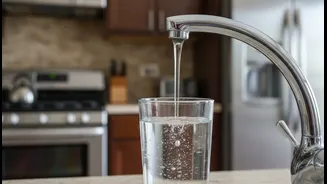
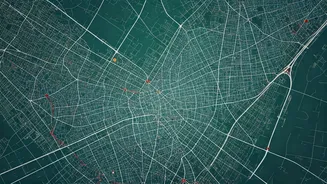
a vast, complex, and often ageing network of underground pipes. This distribution system is where the problem often begins. Despite best efforts, this infrastructure is frequently under immense pressure from rapid urbanisation, leading to vulnerabilities that can compromise water quality before it ever reaches your kitchen sink.
Breaks in the Chain: How Contamination Happens
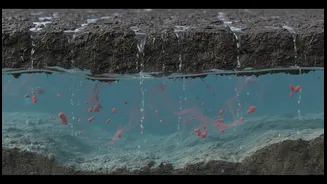
The primary cause of contamination in urban water supplies is a compromised pipeline infrastructure. Decades-old pipes can develop cracks and leaks. In many cities, drinking water pipes are laid dangerously close to sewage and drainage lines. When there are fluctuations in water pressure or leaks in both sets of pipes, sewage can seep into the drinking water supply. This cross-contamination is a direct route for faecal matter containing pathogens like Salmonella Typhi, the bacterium responsible for typhoid, to enter the water you use every day. This risk isn't just a monsoon phenomenon; it's a year-round threat in many Indian cities.
The Invisible Threat of Biofilms
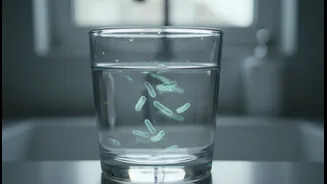
Even if the water enters the pipes clean, another hidden danger awaits: biofilms. A biofilm is a slimy layer of bacteria and other microorganisms that attaches to the inner surface of water pipes. These sticky communities can capture and harbour pathogens from the water, including Salmonella Typhi. The biofilm acts as a protective shield, protecting the bacteria from disinfectants like chlorine that are meant to keep the water safe. From this protected environment, bacteria can detach and flow through your taps, even long after a contamination event has passed, making the water intermittently unsafe.
Why Your Building's Tank Is Another Risk Factor
The final stage of your water's journey is often the storage tank in your apartment building. If these tanks are not cleaned and maintained with strict regularity, they can become another breeding ground for bacteria. Dust, insects, and microbial growth can accumulate inside, re-contaminating the water that was delivered from the municipal supply. Touching the stored water with unclean hands or using dirty vessels can also introduce pathogens. This means that even if the water arriving at your building is safe, improper storage can undo all the preceding safety measures.
Recognising the Danger: Typhoid Symptoms
Typhoid fever is a serious illness that should not be ignored. Symptoms typically appear one to three weeks after exposure and include a high fever that gradually increases, headache, weakness, stomach pain, loss of appetite, and sometimes a rash of rose-coloured spots. Since the infection can become life-threatening if left untreated, it's crucial to seek medical attention if you suspect you have typhoid.
Your Defence: How to Make Your Water Safe
Given the uncertainties of the supply chain, the final responsibility for water safety often falls to the household. Visual clarity is not a reliable indicator of purity. To protect your family, you must treat your water before consumption. The simplest and most effective method is to bring water to a rolling boil for at least one minute, which kills Salmonella Typhi and other pathogens. Alternatively, using a high-quality water purifier with multi-stage filtration, such as RO (Reverse Osmosis) combined with UV (Ultraviolet) treatment, is a reliable way to remove or deactivate bacteria and viruses. Regular maintenance of these filters is essential to ensure they remain effective.