



The Hidden Power in the Peel
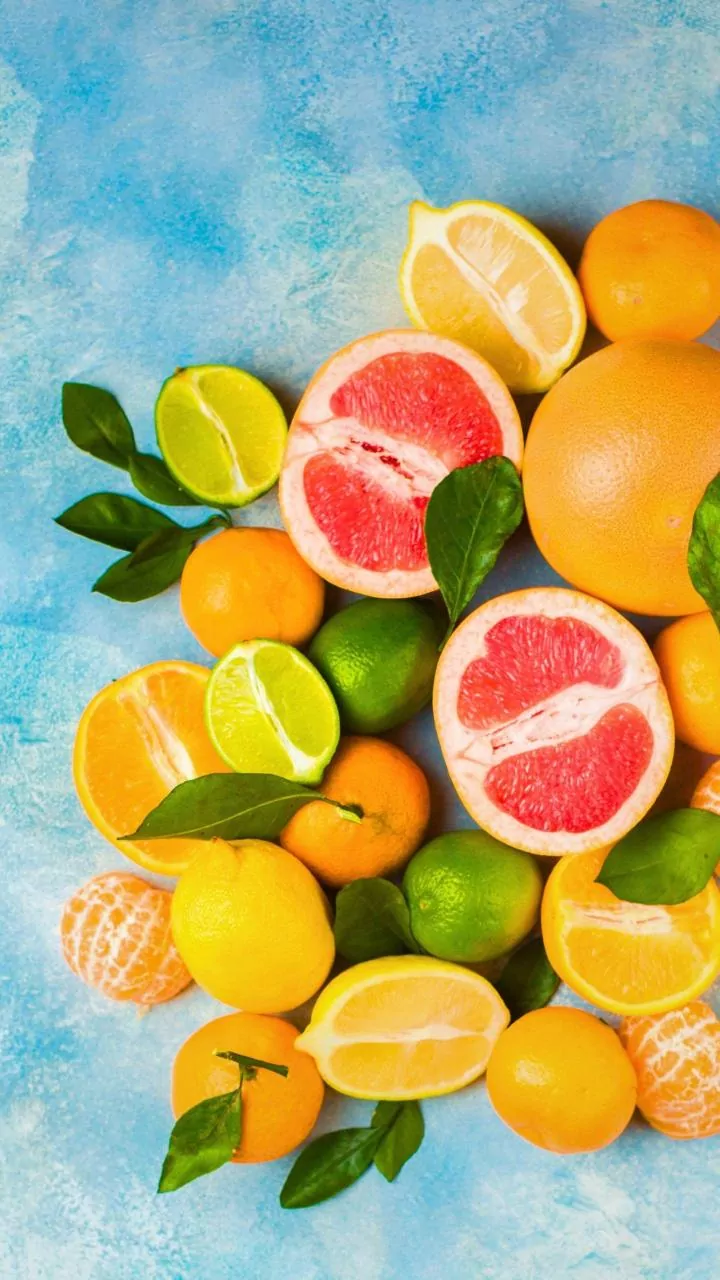
Before you dismiss orange peels as compost, consider their hidden value. The rind, and especially the white pith, is packed with pectin, a type of soluble fiber. This is not just a natural setting agent for your marmalade; it’s a prebiotic powerhouse.
Prebiotics are essential food for the beneficial bacteria in your gut, like Bifidobacterium and Lactobacillus. A healthy gut microbiome is linked to better digestion, a stronger immune system, and reduced inflammation. Beyond pectin, the peels also contain beneficial flavonoids and antioxidants, adding another layer of wellness to what would have been food waste. By making this marmalade, you're not just creating a delicious spread; you're actively upcycling nutrients for your benefit.
Choosing and Prepping Your Rinds
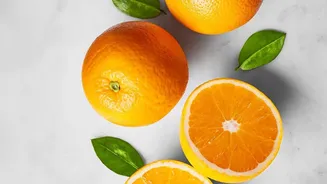
The quality of your marmalade starts with the quality of your oranges. Whenever possible, opt for organic oranges. Since you're using the entire peel, you want to minimize exposure to pesticides. If you can't find organic, give your oranges a thorough scrub with a brush under running water. Some sources even suggest a soak in a baking soda solution to help clean the skin. Once cleaned, juice your oranges and set the juice aside. You are left with the hollowed-out peels. Using a sharp knife, slice the peels into thin strips. The thickness is a matter of preference—some prefer delicate slivers, while others enjoy a chunkier texture. Don't worry about scraping off all the white pith; that's where much of the beneficial, gel-forming pectin resides.
The Gut-Friendly Sweetness Factor
Traditional marmalade recipes can call for a staggering amount of refined sugar. To keep this recipe aligned with gut-health principles, consider healthier sweeteners. Natural options like raw honey, pure maple syrup, or even jaggery can provide the necessary sweetness with a more complex flavour profile. Another excellent alternative is using date paste or a combination of erythritol and dates for a whole-food plant-based approach. These natural sweeteners are less processed than white sugar and offer their own subtle nutritional benefits. Remember, the goal is to complement the natural bitterness of the citrus, not to overpower it with sweetness. Start with a smaller amount of sweetener and adjust to taste as you cook.
Step-by-Step: Crafting Your Marmalade
With your ingredients ready, it’s time to cook. The key to a tender, flavourful marmalade is a two-step boiling process to mellow the bitterness of the peels. 1. First Boil: Place your sliced peels in a large, heavy-bottomed pot and cover them with water. Bring to a rolling boil and cook for about 10 minutes. Drain the water completely. 2. Second Boil & Simmer: Cover the peels with fresh water again and repeat the process, boiling for another 10 minutes. This step is crucial for a pleasant flavour. Drain the peels and return them to the pot. 3. Combine & Cook: Add the fresh orange juice you set aside earlier, your chosen sweetener, and a splash of lemon juice (which also helps with the set). Bring the mixture to a boil, then reduce the heat to a steady simmer. 4. The Long Simmer: Let the marmalade simmer for 40-60 minutes, stirring occasionally to prevent sticking. The peels will become translucent and the liquid will begin to thicken.
Achieving the Perfect Set
Knowing when your marmalade is ready is an art, but there's a simple test to master it. Before you start cooking, place a few small plates in your freezer. When you think the marmalade is close to being done, take one of the cold plates and drop a small spoonful of the liquid onto it. Let it sit for a minute, then nudge it with your finger. If the surface wrinkles and holds its shape, your marmalade has reached its setting point. If it’s still runny, continue to simmer and test again every 5-10 minutes. The natural pectin from the peels should create a beautiful gel without the need for commercial thickeners, but patience is key. Once the wrinkle test is successful, remove the pot from the heat.
Storing Your Liquid Gold
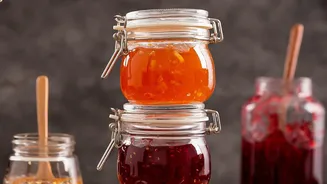
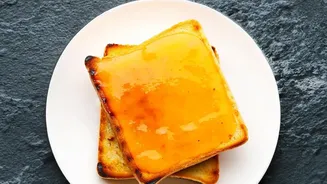
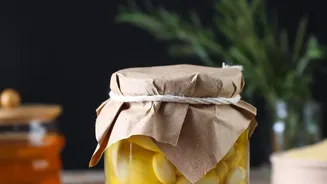
To enjoy your creation for weeks to come, proper storage is essential. Ladle the hot marmalade into clean, sterilised glass jars, leaving about a quarter-inch of headspace at the top. Wipe the rims of the jars clean, seal them tightly with sterilised lids, and turn them upside down for a few minutes to help create a vacuum seal. Once cooled, store the jars in the refrigerator. This homemade marmalade is a vibrant, tangy, and slightly bitter spread that is perfect on whole-grain toast, stirred into plain yogurt, or served alongside cheese. It’s a delicious reminder of how a little effort can transform kitchen waste into a wholesome, gut-friendly delight.