








1. Prioritise High Capacity (mAh)
The first specification to check is capacity, measured in milliampere-hours (mAh). For a weekend trip, a 10,000mAh power bank might suffice for a single user. However, for multi-day treks in the Himalayas or remote parts of the Western Ghats, think bigger.
A heavy-duty power bank should offer at least 20,000mAh, which can typically charge a modern smartphone 4-6 times. For groups or those carrying more electronics like a GPS device, camera, and headlamp, models with 30,000mAh or even 50,000mAh provide a significant safety buffer. Remember, higher capacity almost always means more weight, so you must balance power needs with what you’re willing to carry in your rucksack.
2. Look for Rugged, All-Weather Construction
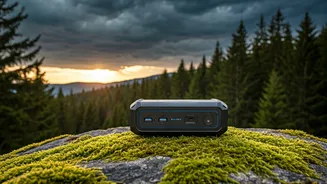
The wilderness is unforgiving. A standard plastic power bank won't survive a fall onto rocky terrain or the constant jostling in a backpack. Look for models specifically marketed as 'rugged' or 'shockproof'. These often feature reinforced corners, durable ABS plastic, and silicone bumpers that absorb impact. More importantly, check the Ingress Protection (IP) rating. An IP67 rating, for example, means the device is completely dust-tight and can be submerged in up to one metre of water for 30 minutes. This is crucial for surviving a sudden downpour during monsoon treks or an accidental drop into a stream. Don't settle for anything less than an IP65 rating for serious outdoor use.
3. Consider Integrated Solar Panels
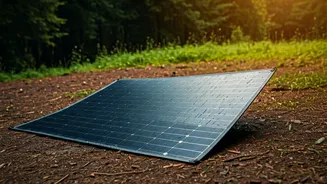
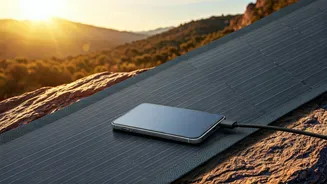
For extended expeditions where you're off-grid for days, a power bank with a built-in solar panel can be a game-changer. While the small panels on these devices won't rapidly charge the entire unit, they are excellent for emergency top-ups. On a clear, sunny day, you can strap the power bank to the outside of your pack while you hike, allowing it to trickle-charge. This can provide enough power for a crucial call or to check your location on a GPS. It’s a backup to your backup. For more serious solar charging, some adventurers pair a high-capacity power bank with a larger, foldable solar panel, creating a truly sustainable off-grid power system.
4. Check for Versatile Port Options
A heavy-duty power bank should be a hub for all your electronics. Modern devices increasingly rely on USB-C for faster charging, so ensure your power bank has at least one USB-C port that supports Power Delivery (PD). This allows for rapid charging of compatible phones, tablets, and even some laptops. Multiple USB-A ports are also standard and useful for charging older devices or accessories like headlamps and smartwatches. Some top-tier models even include a full-sized AC outlet, capable of powering small appliances like a drone battery charger or a laptop. This level of versatility can be incredibly valuable, turning your power bank into a portable wall socket in the middle of nowhere.
5. Don't Forget Essential Extras
The best outdoor power banks often include features designed for survival situations. A built-in LED flashlight is a common and highly useful feature, saving you from draining your phone's battery to see in the dark. Look for models with multiple light modes, such as a low-light setting, a bright beam, and an SOS strobe for signalling in an emergency. A built-in compass can also be a helpful, low-tech addition. Finally, consider the charging input. A power bank that can be recharged quickly via a fast-charging wall adapter before you leave for your trip ensures you start your adventure with a full tank of power.