


The Heart of a Bengali Morning
In Bengal, breakfast isn't just a quick bite; it's often a leisurely affair, especially on weekends. It sets the tone for the day, with dishes that are both comforting and flavourful. At the centre of this tradition are two contrasting but equally loved
dishes. There is the decadent, deep-fried luchi—a fluffy white bread that puffs up like a balloon. And then there is chire, or flattened rice, which provides a quicker, lighter, yet equally satisfying meal in various forms, from savoury to sweet. Mastering these two will give you the perfect foundation for an authentic Bengali breakfast spread that you can enjoy any day of the week.
Luchi: The Golden, Puffy Delight
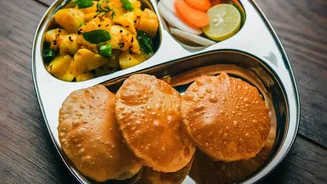
Luchi is Bengal's answer to the puri, but it is distinctively made with maida (all-purpose flour), which gives it a characteristic white colour and a soft, slightly chewy texture. It’s a festive bread, often associated with celebrations and lazy Sunday mornings, served hot right out of the frying pan. The key to a perfect luchi is a soft, pliable dough and frying it in oil that is just the right temperature.
How to Make Perfect Luchi
Making luchi is a simple three-step process: kneading, rolling, and frying. For about 15-20 luchis, you will need 2 cups of all-purpose flour (maida), half a teaspoon of salt, a teaspoon of sugar, and 2 tablespoons of ghee or oil for the dough (called 'moyan').First, combine the flour, salt, and sugar in a large bowl. Add the ghee or oil and rub it into the flour with your fingertips until the mixture resembles breadcrumbs. This step is crucial for a soft luchi. Then, using warm water, gradually knead the flour to form a smooth, soft, but firm dough. It shouldn't be sticky. Cover the dough with a damp cloth and let it rest for at least 30 minutes.After resting, divide the dough into small, equal-sized balls. Lightly grease your rolling surface and rolling pin with oil (avoid using dry flour). Roll each ball into a thin, even circle about 4-5 inches in diameter.Finally, heat vegetable oil in a deep kadai or pan. The oil must be hot but not smoking. To test, drop a tiny piece of dough; if it sizzles and rises to the top immediately, the oil is ready. Slide a rolled-out luchi into the hot oil. Gently press it with the back of a slotted spoon, which will help it puff up completely. Flip and fry for a few more seconds until it is a pale golden colour. Remove and drain on a paper towel. Serve immediately.
What to Serve With Luchi
Luchi is rarely eaten alone. Its most classic partner is Alur Dom, a flavourful and spicy Bengali potato curry. To make a simple version, parboil about 500g of baby potatoes. Heat oil in a pan, temper with a bay leaf and cumin seeds, and then sauté finely chopped onions until soft. Add ginger-garlic paste, followed by a paste of tomato, turmeric powder, and red chili powder. Cook until the oil separates. Add the boiled potatoes, salt, and a pinch of sugar, and stir to coat. Add a cup of warm water, cover, and let it simmer until the gravy thickens and the potatoes are tender. Another popular pairing is Cholar Dal, a slightly sweet and savoury lentil dish made with chana dal, coconut, and raisins.
Chire: The Quick and Versatile Option
Chire, known as poha in other parts of India, is flattened rice. It's the go-to option for a quick breakfast because it requires minimal cooking. It can be prepared in two primary ways: as a savoury 'pulao' or as a sweet, no-cook mixture with yoghurt or milk. Its versatility makes it a household staple.
Savoury Breakfast: Chirer Pulao
Chirer Pulao is the Bengali take on poha. It's a light, flavourful dish often made with vegetables and peanuts. To prepare, take 2 cups of thick chire and wash it gently under running water in a colander. Let it drain for about 15-20 minutes until it softens. Heat oil in a pan and fry a handful of peanuts until crunchy; set them aside. In the same pan, temper with cumin seeds and add chopped onions, sautéing until translucent. You can add finely chopped vegetables like carrots, peas, and cauliflower florets, cooking them until tender. Add the softened chire, salt, a teaspoon of sugar, and turmeric powder. Mix gently. Garnish with the fried peanuts and fresh coriander. A final squeeze of lime juice brightens up all the flavours.
Sweet & Simple: Doi Chire or Doodh Chire
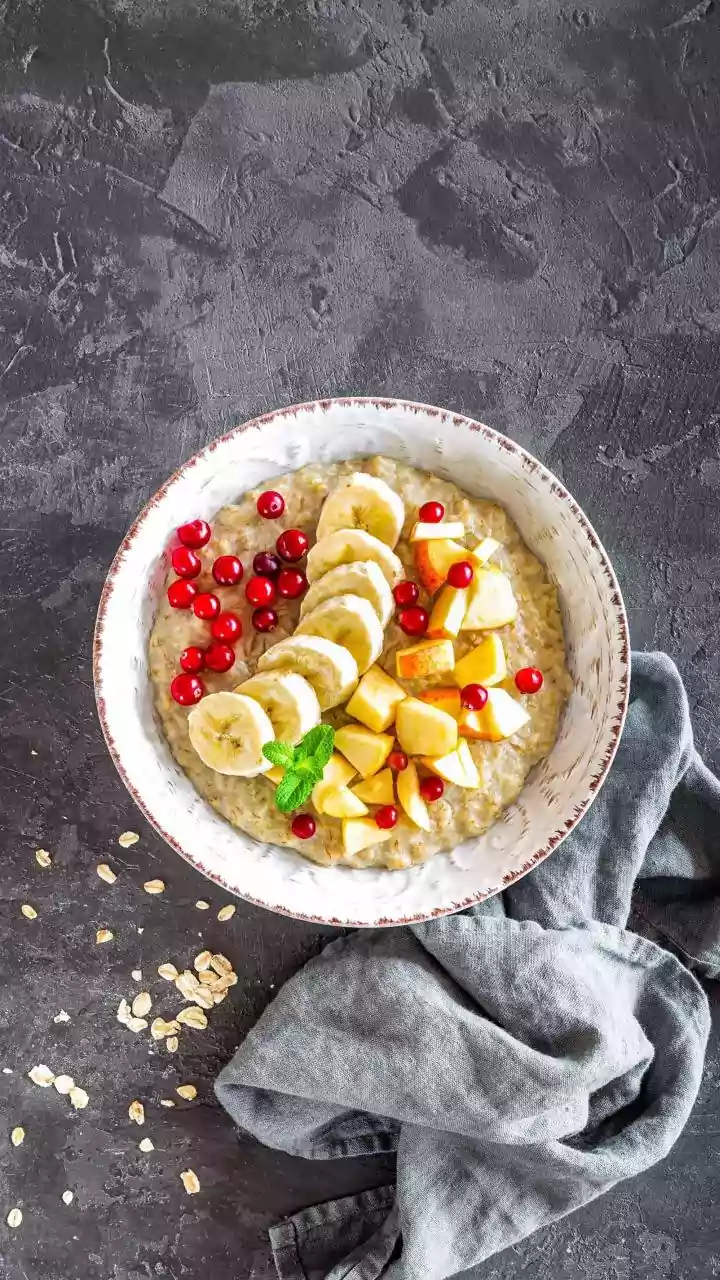
For a no-cook, refreshing breakfast, Doodh Chire (with milk) or Doi Chire (with yoghurt) is ideal, especially in warmer weather. Simply take a bowl of softened chire. Add sliced banana or other seasonal fruits like mango. Pour in milk or whisked sweet yoghurt. Sweeten with a little sugar or nolen gur (date palm jaggery) for a more traditional flavour. Let it sit for a few minutes for the chire to absorb the liquid and flavours. It's a wholesome, cooling, and incredibly simple meal that is ready in minutes.