





Kombucha: The Tea of Immortality
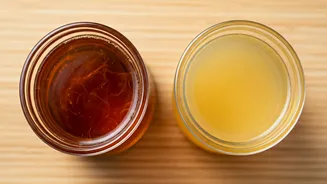
Kombucha is a fermented, lightly effervescent, sweetened black or green tea drink with a history stretching back thousands of years, believed to have originated in China. It's created by fermenting tea and sugar with a SCOBY, which stands for 'Symbiotic
Culture of Bacteria and Yeast'. This rubbery, pancake-like disc is a living home for the beneficial microbes that transform the sweet tea into a tangy, fizzy beverage. During fermentation, the yeast consumes the sugar and produces trace amounts of alcohol and carbon dioxide, while the bacteria convert the alcohol into various organic acids. The result is a complex drink rich in probiotics, B vitamins, and antioxidants.
Kanji: The Indian Probiotic Powerhouse
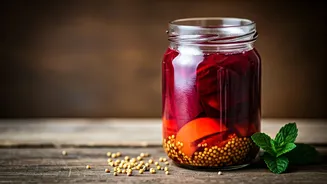
Kanji is a traditional North Indian fermented drink, especially popular during the winter and spring months. Unlike kombucha's tea base, kanji is typically made by fermenting vegetables, most famously black carrots (kali gajar), in water with salt and coarsely ground mustard seeds. This process relies on lactic acid fermentation, where naturally present microbes on the carrots and in the environment convert sugars into lactic acid, giving the drink its characteristic tangy and pungent flavour. The result is a beautiful, deep purple beverage that is caffeine-free and has been part of Ayurvedic practices for aiding digestion.
Kombucha vs. Kanji: A Gut-Friendly Showdown
While both drinks are prized for their probiotic content, they differ significantly. Kombucha boasts a wide variety of bacteria and yeast strains from the SCOBY. Kanji's probiotic profile is dominated by lactic acid bacteria like Lactobacillus, which some research suggests are well-suited to the Indian gut microbiome. In terms of flavour, kombucha is typically sweet-tart and fizzy, whereas kanji is savoury, salty, and pungent. The fermentation process for kombucha is longer (7-21 days) and requires a specific starter culture (the SCOBY), making it more of a continuous project. Kanji, on the other hand, ferments much faster (3-5 days) using simple, readily available ingredients, making it a simpler and more seasonal brew.
Production Tips: Brewing Kombucha at Home
Brewing kombucha is a rewarding process. Start with a healthy SCOBY and some starter liquid from a previous batch. Use a large, sterilised glass jar—never plastic or metal, which can react with the acids. Brew strong black or green tea, dissolve cane sugar in it, and let it cool completely before adding the SCOBY and starter liquid; hot tea can kill the culture. Cover the jar with a breathable cloth secured with a rubber band to keep pests out while allowing air to circulate. Let it ferment in a warm, dark place for about 7 to 10 days. The longer it ferments, the more vinegary it will taste. Once it reaches your desired flavour, bottle it for a secondary fermentation to build carbonation. Cleanliness is crucial throughout to avoid mould.
Production Tips: Making Kanji at Home
Making kanji is incredibly simple. You’ll need black carrots (or red carrots and a beet for colour), water, salt, and coarsely ground mustard seeds. Wash and chop the carrots into sticks. In a clean glass or ceramic jar, combine the carrots, ground mustard, salt, and optional spices like red chilli powder. Some recipes call for boiling the water first and letting it cool, while others use filtered water directly. Pour the water over the ingredients, stir well to dissolve the salt, and ensure the carrots are submerged. Cover the jar with a muslin cloth and place it in a sunny spot for 2 to 5 days, stirring daily. The fermentation time depends on the temperature; it will be ready once it develops a pleasant tangy flavour.