
A Tale of Two Palates
For decades, eating out in India often meant choosing from a familiar menu of Punjabi-Mughlai staples. Butter chicken, dal makhani, and paneer tikka were the undisputed kings. But today, a quiet revolution is reshaping how India eats. Driven by a new
generation of globetrotting, media-savvy diners and creative chefs, the culinary landscape is splitting into two fascinating streams. On one side, there's a surge of inventive fusion cuisine, where Indian spices meet global techniques and ingredients. On the other, there's a powerful movement to revive and celebrate the country's forgotten regional and hyperlocal recipes. This isn't a battle between the old and the new. Instead, it’s a dynamic expansion of the Indian palate, offering diners a choice between radical reinterpretation and fierce authenticity. This shift signals that consumers have moved beyond gateway dishes, now seeking more depth and variety.
The Global Indian Kitchen
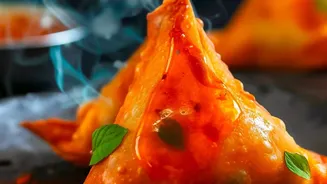
Modern Indian fusion is all about creative conversations between cultures on a plate. It’s more than just adding a dash of curry powder to a Western dish; it’s a thoughtful blend of techniques, ingredients, and culinary philosophies. Chefs are using global methods like sous-vide to prepare traditional meats, or incorporating international ingredients like truffle, yuzu, and avocado into familiar Indian flavour profiles. Think of naan morphing into the base for a taco, cocktail samosas with inventive fillings, or a Malabar-style seafood curry refined with French cooking principles. This trend is a natural outcome of increased global exposure and a desire for novel dining experiences. Restaurants are transforming traditional dishes into formats like customizable bowls and pizzas, catering to urban consumers who are adventurous and eager to experiment.
The Great Return to Roots
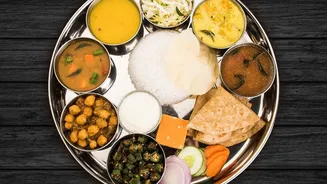
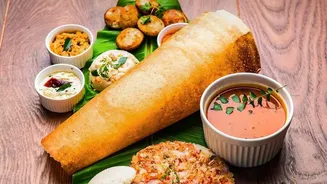
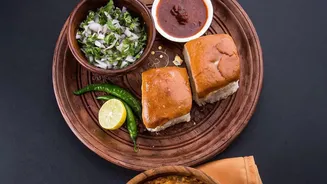
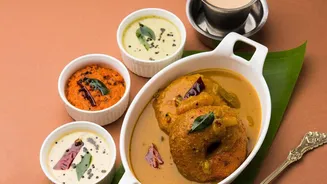
At the same time, a significant number of chefs and diners are looking inward, sparking a renaissance of regional Indian food. The focus is shifting from a single, homogenous idea of "Indian food" to celebrating the incredible diversity of the nation's micro-cuisines. Restaurants are proudly showcasing specific culinary traditions, from the earthy, millet-based dishes of Badaga cuisine in the Nilgiris to the spicy, coconut-rich flavours of Ravuthar food from South India. This movement champions hyperlocal ingredients—foraged greens, indigenous grains, and single-origin spices—that tell the story of a specific place. It’s a purposeful preservation of culinary heritage, bringing dishes once confined to home kitchens into the fine-dining spotlight. Diners are proving they crave uncompromising authenticity, embracing complex and unfamiliar flavours over diluted adaptations.
More Than Just a Meal
This revolution extends beyond the food itself. Today’s diner is looking for an experience, and restaurants are rising to the occasion by investing in ambiance, storytelling, and exceptional service. Whether it's a fusion restaurant with an avant-garde presentation or a regional eatery that explains the history of each dish, the narrative has become as important as the recipe. Chefs like Vikas Khanna and Sujan Sarkar have become cultural ambassadors, using their platforms to educate diners and elevate the perception of Indian cuisine globally. They and others are proving that a dish can be a bridge between cultures or a time capsule of history. This focus on the complete dining journey—from the decor to the detailed menu—is what creates loyal customers who are willing to pay for a memorable experience rather than just a meal.