



The Allure and the Inherent Risk
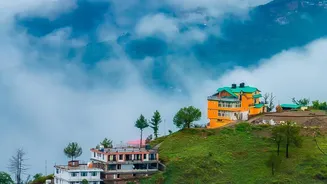
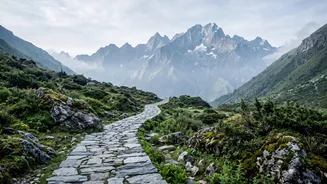
India's mountain states, particularly in the Himalayas, are experiencing an unprecedented surge in tourism. Drawn by majestic landscapes and spiritual retreats, visitor numbers in states like Uttarakhand and Himachal Pradesh have grown exponentially.
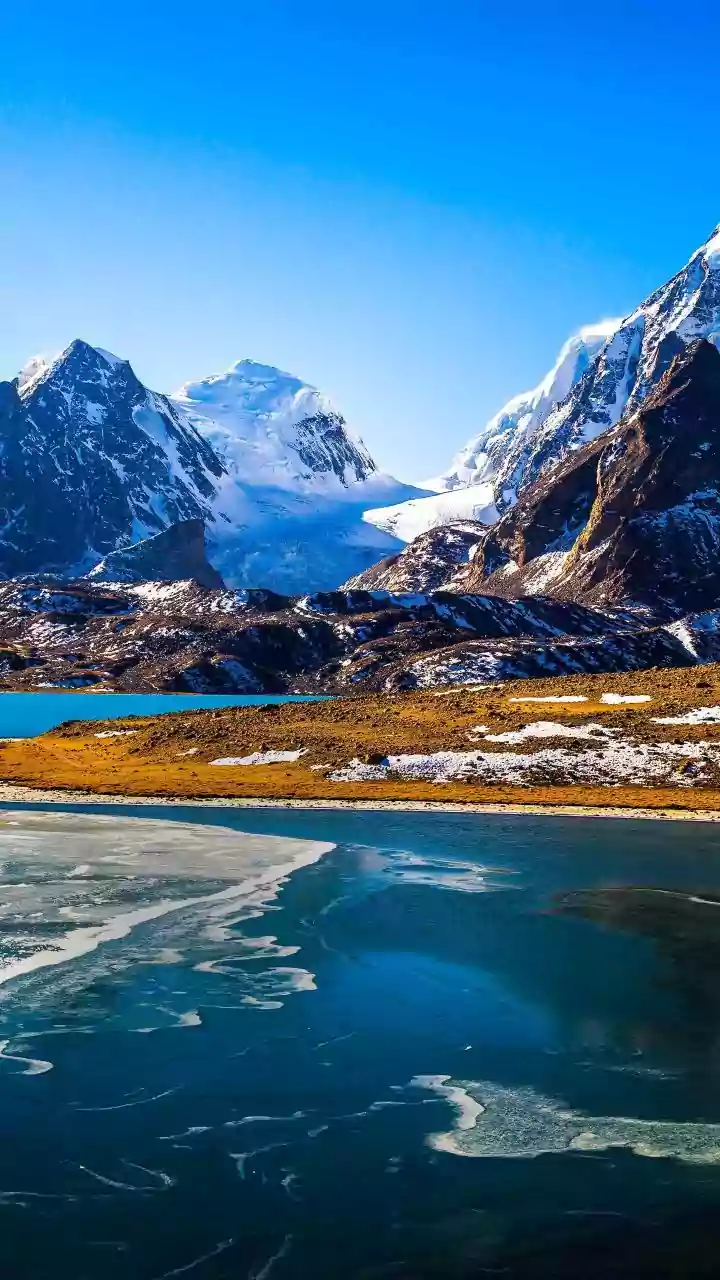
However, this tourism boom unfolds in a region defined by geological fragility. The Himalayas are the world's youngest mountain range, characterized by steep, unstable slopes and active tectonic processes. This makes them inherently vulnerable to natural disasters such as landslides, flash floods, and earthquakes. Climate change is amplifying these existing risks, increasing the frequency of extreme weather events like cloudbursts and erratic rainfall, which can trigger catastrophic chain reactions. The very desire to be close to nature places tourists in the path of these powerful forces, creating a delicate balance between appreciation and peril.
Infrastructure: More Than Just a Road
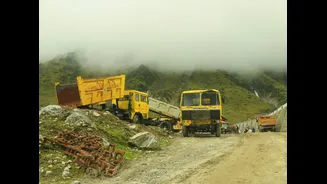
When we think of infrastructure in the mountains, we often picture winding roads. But it encompasses much more. It includes stable bridges, reliable communication networks, regulated construction of hotels, and waste management systems. Too often, infrastructure development has failed to keep pace with the explosion in visitor numbers. Haphazard construction, often on fragile slopes or riverbanks, significantly increases disaster risk. Roads are frequently built by cutting into hillsides without adequate geotechnical studies, triggering slope failures. When these lifelines are severed during a monsoon flood or landslide, the consequences are immediate. Tourists become stranded, supply chains are cut, and access for rescue teams is blocked. A premium holiday experience can quickly turn into a nightmare when travellers are stuck in hours-long traffic jams on compromised roads, diminishing the value and appeal of the destination.
The Critical Role of Emergency Planning
When disaster strikes, a robust emergency plan is the only thing that stands between orderly response and total chaos. Effective planning involves multiple layers: early warning systems, clear evacuation protocols, and well-equipped rescue teams. In states like Uttarakhand, authorities are now looking to deploy modern technology like satellite imagery and drones to monitor dangerous glacial lakes in real-time. The goal is to detect signs of trouble, such as rising water levels, and issue timely alerts to downstream communities. A coordinated response requires seamless communication between agencies like the National Disaster Response Force (NDRF), police, and local administration. This includes stockpiling essentials like food and medicine in remote areas and having plans to halt travel on unsafe routes, guiding people to secure locations until conditions improve.
The High Cost of Inaction
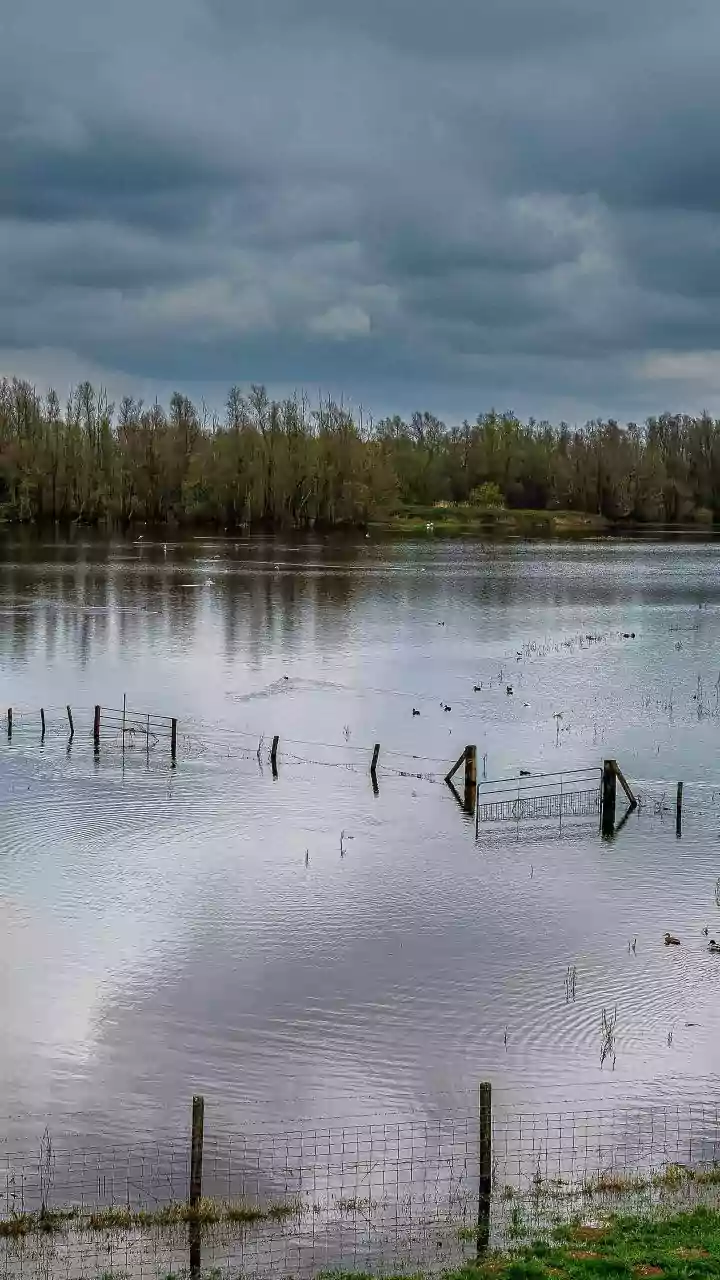
The failure to invest in resilient infrastructure and emergency planning carries a steep price, measured in lives, livelihoods, and economic stability. Floods and landslides have repeatedly devastated the tourism industry in states like Himachal Pradesh, which contributes over ₹14,000 crore to the state's GDP. In the wake of major disasters, hotel occupancy can plummet, and cancellations can reach 80%, as sensational media coverage and rumours on social media create widespread fear among potential visitors. This impacts not just hotel owners but the entire local economy, from taxi drivers to small shopkeepers. The long-term damage to a destination's reputation can take years to repair, proving that short-term gains from unregulated development often lead to long-term ruin.
Building a More Resilient Future
The path forward requires a fundamental shift from a reactive to a proactive approach. This involves embracing the concept of 'carrying capacity'—understanding and respecting the maximum number of people an area can sustainably support without degrading the environment or the tourist experience. Several studies have now calculated these limits for popular pilgrimage sites. Smart solutions are available, from digital booking platforms that cap visitor numbers to apps that provide real-time alerts on weather and road conditions. International examples, like Bhutan’s “high-value, low-volume” tourism policy, offer a model for balancing conservation and commerce. Ultimately, resilience is a shared responsibility. It requires governments to enforce sustainable development policies, businesses to invest in safety, and tourists to become more aware and respectful of the fragile environments they come to enjoy.