






What Exactly Is El Niño?
El Niño, which means "the boy" in Spanish, is a natural climate phenomenon that has occurred for centuries. It involves the unusual warming of surface waters in the central and eastern Pacific Ocean, a process that happens every two to seven years and can
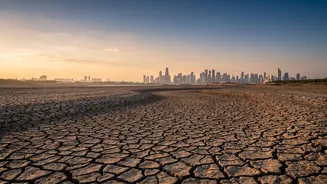
last for months. This shift in ocean temperature might seem distant, but it disrupts atmospheric circulation and alters weather patterns worldwide. While it's a natural cycle, scientists warn that man-made climate change can intensify its effects, making droughts drier, floods more severe, and heatwaves more extreme. Forecasts for the 2026-2027 period suggest a particularly strong, or "super," El Niño event is developing, raising concerns globally.
The Urban Amplifier: Why Cities Suffer Most
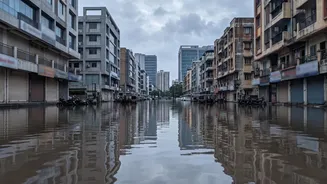
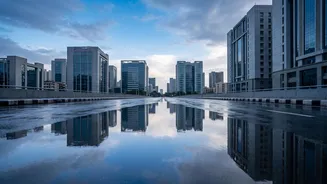
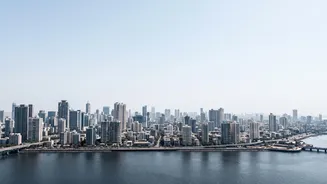
Cities are uniquely vulnerable to the kind of havoc El Niño can unleash. Dense concentrations of concrete and asphalt create an "urban heat island effect," amplifying the intensity of heatwaves. Vast impermeable surfaces, like roads and parking lots, prevent rainwater from soaking into the ground, turning heavy rainfall into dangerous flash floods. These urban systems act as multipliers for climate hazards. Beyond the immediate physical danger, the interconnectedness of city life means disruptions cascade. A flood doesn't just damage homes; it can shut down power grids, contaminate water supplies, cripple public transport, and halt economic activity.
India's Monsoon and a Double-Edged Sword
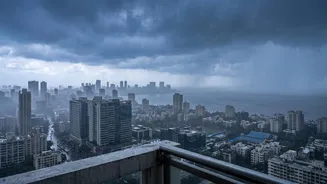
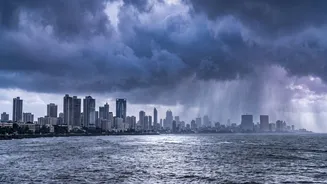
For India, El Niño has a historically complicated relationship with the monsoon, the lifeblood of its agricultural economy. El Niño years are often associated with suppressed rainfall and drought conditions. As of August 2026, India's monsoon rainfall is already significantly below normal, raising concerns for crop production and the wider economy. However, recent studies and observations reveal a paradoxical and more dangerous trend: an El Niño can also lead to less rain overall but more intense, extreme rainfall events when it does occur. This creates a contradictory threat of both drought and severe flooding within the same season, as recently seen in Kerala, which experienced a seasonal rain deficit but suffered deadly floods after a single week of exceptionally heavy rain.
Counting the Trillion-Dollar Cost
The financial toll of extreme weather is becoming too large to ignore. Globally, previous strong El Niño events have been linked to economic damages in the trillions of dollars. These costs are not just abstract figures. They manifest as direct expenses for repairing roads, bridges, and public buildings. But the indirect costs are often even greater, including business interruptions, lost productivity, increased insurance premiums, and strained healthcare systems coping with heat-related illnesses. Some studies project that a strong 2026-27 El Niño could result in nearly a trillion dollars in economic losses in 2027 alone. This enormous financial risk is forcing businesses, investors, and governments to pay closer attention.
A Wake-Up Call for Urban Planning
The renewed focus on these costs is driven by a stark reality: extreme weather events are becoming more frequent, more intense, and more expensive. We are no longer just dealing with historical weather patterns; we are seeing those patterns amplified by a warming planet. The economic models are getting better at quantifying the immense financial threat, moving the conversation from environmental concern to a core balance-sheet risk for corporations and governments. This shift is forcing a critical re-evaluation of how we build and manage our cities. There's a growing understanding that investing in resilience—through better building codes, green infrastructure like urban parks and permeable pavements, and early warning systems—is not just a cost, but a necessary investment to avoid far greater losses in the future.