








An Annual Test of Supply Chains
Each year during the Hindu month of Shravan, which in 2026 begins around July 30th, millions of devotees known as Kanwariyas undertake a pilgrimage on foot to collect water from the Ganga. This event, the Kanwar Yatra, sees a massive movement of people,
particularly along key national highways connecting Delhi, Uttar Pradesh, and Uttarakhand. While a profound spiritual journey for participants, for India's logistics network, it represents a predictable and highly disruptive event. Highways like NH-34 (formerly NH-58) and the Delhi-Meerut Expressway become arteries of the pilgrimage, forcing a complete rethink of cargo movement for several weeks.
The Challenge: Gridlock and Restrictions
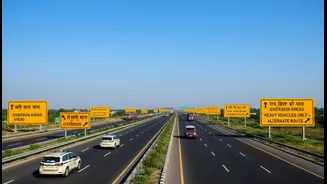
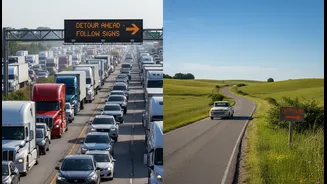
The primary issue is not just congestion but official, widespread traffic restrictions. To ensure the safety of the millions of pilgrims on foot, authorities in states like Uttar Pradesh, Delhi, and Haryana implement extensive diversions and outright bans on heavy vehicle movement. These restrictions are not minor; entire stretches of major expressways can be shut down for all vehicular traffic, especially in the ten to twelve days leading up to Sawan Shivratri. For freight carriers, this means the most direct routes between industrial hubs and consumer markets become impassable. Attempting to use these corridors results in trucks being stranded for days, sometimes with police enforcing the diversions.
The High Cost of Inaction
For a logistics company, ignoring the Kanwar Yatra is a costly mistake. The financial implications go far beyond a simple delay. A truck caught in the gridlock or held at a border for days burns fuel while stationary, misses delivery windows, and incurs significant financial losses for its owner. Industrial estates in regions like Haridwar have reported daily losses of crores due to the inability to receive raw materials or dispatch finished goods. Beyond the direct financial hit, there are risks to driver safety and cargo security. The sheer volume of people makes navigating even permitted areas hazardous, increasing the chance of accidents and damage. As a result, many transport associations advise their members to stop booking goods entirely for the peak yatra period.
Strategic Rerouting: The Smart Solution
Smart logistics managers don't fight the yatra; they plan around it. Proactive rerouting is the only viable strategy. This involves identifying and using longer, alternative routes well in advance. For example, traffic heading towards Uttarakhand might be diverted via Panipat and Saharanpur or other designated alternate corridors to bypass the main pilgrimage route. While these detours add kilometres to the journey, the predictability and reliability they offer are far more valuable. The cost of extra fuel on a longer but clear route is minimal compared to the losses from an indefinite standstill. Modern logistics firms leverage route planning technology and real-time traffic data to make these decisions, ensuring that client supply chains remain fluid despite the regional disruption.
The Broader Economic Ripple Effect
The impact of the Kanwar Yatra isn't confined to trucking companies. It ripples across the economy. Manufacturing plants that rely on just-in-time inventory can face production shutdowns if raw materials are delayed. E-commerce companies must adjust delivery estimates for customers in a vast swathe of North India to avoid promising what they can't deliver. For industries from pharmaceuticals to automotive parts, the pilgrimage period is a known variable that must be factored into production and distribution schedules. Companies that fail to account for it risk not only financial loss but also damage to their reputation for reliability.