


The Comfort Zone Is Getting Crowded
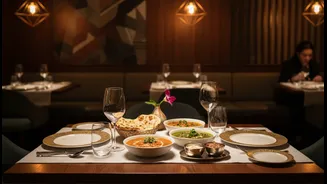
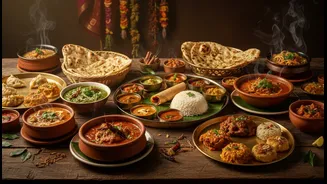
For decades, the single-cuisine restaurant was the bedrock of India’s dining scene. You knew what you were getting: a predictable list of greatest hits, from butter chicken and dal makhani to hakka noodles and paneer tikka pizza. These establishments
offered comfort, reliability, and a familiar taste of another culture, or a standardised version of our own. But as Indian diners have become more globally exposed through travel and media, their curiosity has exploded. The same old menus that once felt safe now often feel stagnant. The result is a growing sentiment that if a restaurant is only defined by a country, it may not have a strong enough point of view. A generation of chefs and restaurateurs agrees, leading a charge away from broad, generic labels and towards more focused, story-driven dining experiences.
Beyond Borders: The Rise of Fusion
One of the most exciting shifts is the maturation of fusion cuisine. For years, 'fusion' was a dirty word, often associated with confused mash-ups like tandoori pasta. But a new wave of chefs is approaching it with intelligence and respect. They understand that Indian cuisine has always evolved through cultural exchange, from Mughal influences to the Portuguese introduction of chillies. Today's best fusion concepts are intentional, blending Indian flavour profiles with global techniques and ingredients in a way that feels authentic to the chef's story. Think naan tacos, butter chicken rice bowls, or dim sum with tandoori fillings. These dishes aren't gimmicks; they are a reflection of a modern, multicultural identity and a recognition that deliciousness doesn't need a passport.
Going Deeper: The Hyper-Regional Movement
The other powerful counter-trend to 'basic' menus is not to go wider, but deeper. Instead of 'Indian', restaurants are proudly proclaiming their focus on hyper-regional cuisines. Diners are moving beyond generic North or South Indian fare and seeking out the specific culinary traditions of communities like the Kodava of Karnataka, the Mappila of Kerala, or the Naga tribes of the Northeast. This movement celebrates India's incredible diversity, preserving recipes and ingredients that rarely left home kitchens. Chefs are acting as storytellers, exploring the unique flavours shaped by a region's specific geography, climate, and history. This isn't just about nostalgia; it's about offering a dining experience with a deep sense of place and authenticity that a generic 'Indian restaurant' can't match.
It’s About the Concept, Not Just the Cuisine
Ultimately, the most dynamic restaurants today are concept-led. The driving force is a unique idea, whether it's a farm-to-table ethos, a zero-waste philosophy, or an immersive theme. The food, often drawing from multiple culinary traditions, serves this central narrative. A restaurant might be built around a specific cooking technique like fermentation, a historical period, or a literary theme. This approach gives chefs the freedom to be creative without being constrained by national borders. It also provides diners with what they increasingly crave: an experience. In a world of endless choice, a strong concept and a compelling story are what make a restaurant memorable long after the meal is over.
In Defence of the Classics
Does this mean the end of the traditional Italian trattoria or the neighbourhood Chinese joint? Not at all. There is, and always will be, a place for a perfectly executed classic dish. A flawless wood-fired pizza, a fragrant biryani, or a delicate bowl of pho needs no reinvention. The issue isn't with the cuisines themselves, but with lazy, uninspired execution. The problem arises when restaurants rely on a familiar label to serve mediocre food. A truly great single-cuisine restaurant that obsesses over quality ingredients and time-honoured techniques is anything but basic. It is, in its own way, a specialist and a master of its craft—something that never goes out of style.