




From Data Points to Drama
For decades, scientific visualization was primarily a tool for experts. Complex data from satellites and telescopes was translated into charts and graphs, essential for research but often impenetrable to the public. Today, that is changing. NASA's Scientific
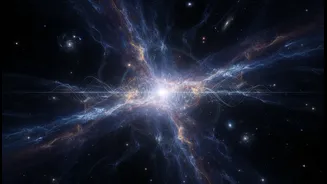
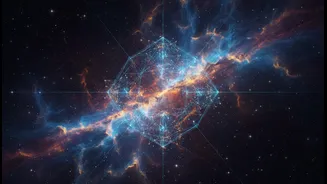
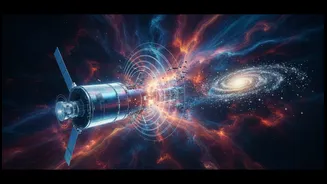
Visualization Studio (SVS) and Conceptual Image Lab are at the forefront of a new movement, treating data not just as information, but as the script for a grand cosmic performance. These teams work to promote a greater understanding of Earth and Space Science by creating compelling, narrative-driven animations. This isn't about dumbing down the science; it's about making it emotionally and intellectually accessible. By collaborating directly with scientists, visualizers and artists unearth stories within the data, creating scientifically accurate productions that are also visually stunning.
The Technology Behind the Spectacle
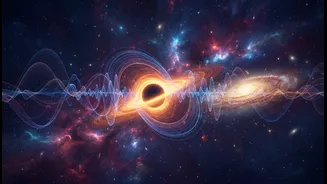
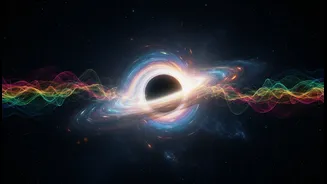
Creating this cosmic theatre requires a unique fusion of scientific rigor and Hollywood-style production. Teams at NASA now use advanced software like Houdini, a tool behind the visual effects of blockbuster films such as 'Interstellar'. This allows them to render complex phenomena with cinematic flair, helping both scientists and the public to conceptualize processes that were once confined to the imagination. For example, to create a recent immersive visualization of falling into a black hole, scientists used a NASA supercomputer, generating about 10 terabytes of data. The project took five days running on a fraction of the supercomputer's processors—a task that would have taken a decade on a standard laptop. This combination of massive data, powerful computing, and artistic talent allows them to simulate the physics of how light bends and distorts around massive objects, creating a 'funhouse mirror' effect that is both scientifically accurate and mesmerizing to watch.
The Universe You Can Hear
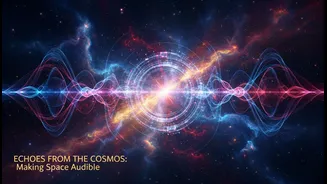
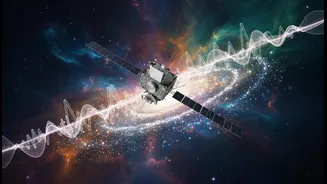
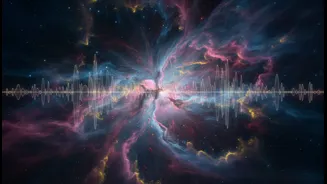
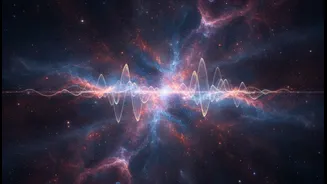
The performance isn't limited to visuals. In a truly innovative step, NASA is also translating astronomical data into sound in a process called sonification. Projects like the 'Universe of Sound' map data from telescopes like Chandra, Hubble, and Webb to auditory elements. For instance, the brightness of a light source in an image might control the volume, while its color could determine the musical pitch. In one sonification of the Galactic Center, X-ray data from Chandra are represented by glockenspiel sounds, while infrared data from the Spitzer telescope become a soft piano. This multi-sensory approach was initially developed to make cosmic wonders accessible to the blind and low-vision community, but it has found broad appeal. The result is a surprisingly emotional and intuitive way to experience the universe, whether it's the chaotic remnant of an exploded star or the rhythmic pulse of a spinning pulsar.
Why Theatrics Matter in Science
This shift towards cinematic and theatrical science communication is a strategic one for NASA. In an age of information overload, capturing public imagination is crucial for sustaining interest and support for space exploration. As one NASA visualization designer noted, making science entertaining and fun helps people learn more effectively. These projects are not merely outreach; they are integral to the scientific process itself. Visualizations help researchers spot patterns and complexities in massive datasets that might otherwise be missed. Furthermore, by making its data openly available, NASA encourages external artists and institutions to create their own interpretations, leading to immersive public art installations and further broadening the reach of science. Ultimately, turning data into theatre is about storytelling—translating the complex language of the cosmos into a form that everyone can understand and be inspired by.