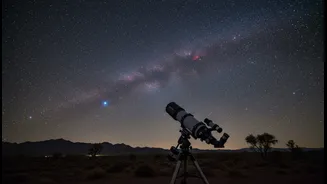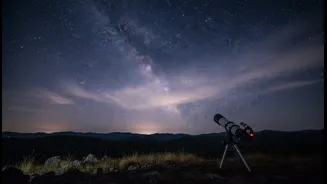





What Exactly Is Happening?
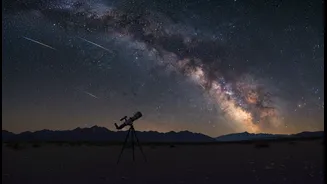
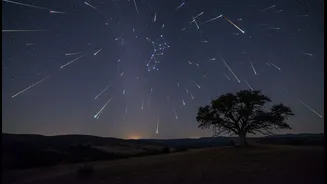
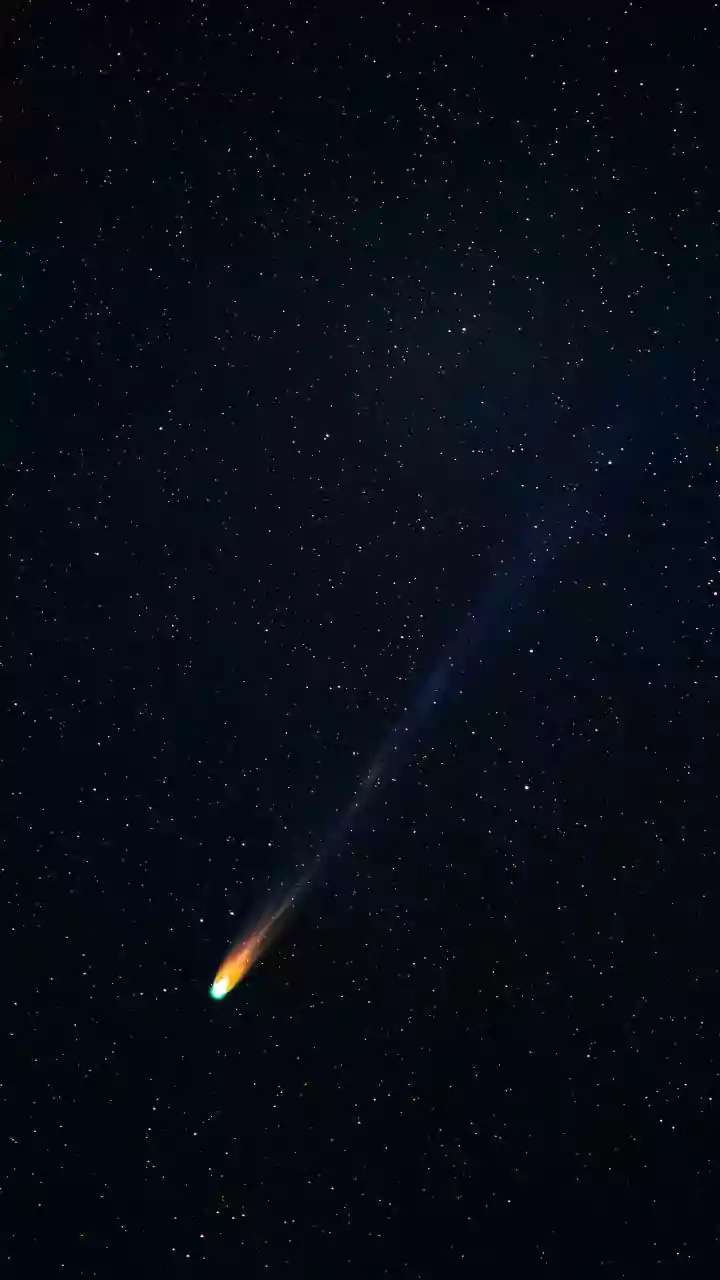
The celestial event gracing our skies is the annual Perseid meteor shower, one of the most beloved and reliable meteor showers of the year. These 'shooting stars' are not stars at all, but tiny bits of space debris left behind by a massive comet named
109P/Swift-Tuttle. Every August, Earth's orbit takes it through this trail of cosmic dust. As the particles, some no bigger than a grain of sand, hit our atmosphere at incredible speeds—about 59 kilometres per second—they burn up, creating brilliant streaks of light across the night sky. The shower gets its name because the meteors appear to radiate from the constellation Perseus.
A Perfect Year for Viewing
The 2026 Perseid meteor shower is poised to be truly special. The peak is expected on the nights of August 12 and 13, particularly in the hours after midnight until dawn. What makes this year exceptional is that the peak coincides perfectly with a new moon. This means the sky will be completely dark, without any moonlight to wash out the fainter meteors. Under these ideal, dark-sky conditions, viewers can expect to see anywhere from 50 to over 90 meteors per hour. The Perseids are also known for producing fireballs, which are exceptionally bright and long-lasting meteors that can light up the entire sky for a moment.
The Challenge: India's Monsoon
For sky-gazers in India, there is one significant hurdle: the monsoon. Mid-August is the peak of the rainy season for much of the country, meaning cloud cover can completely obscure the show. However, this doesn't mean you're out of luck. The key is to target regions that lie in a rain shadow. High-altitude desert areas are your best bet. Locations like Ladakh and the Spiti Valley in Himachal Pradesh are prime destinations, as they receive very little monsoon rainfall and boast some of the darkest skies in the country. Western Rajasthan, including areas around Jaisalmer, and the Rann of Kutch in Gujarat are also excellent options due to their drier climate.
How to Plan Your Viewing Night
First, find your location. Your goal is to get as far away from city and town lights as possible. Light pollution is the biggest enemy of meteor watching after clouds. Even a short drive out of urban areas can make a massive difference. Second, time it right. While meteors can be seen from around 10 p.m. onwards, the show gets progressively better after midnight. The best viewing window is from about 2 a.m. until just before dawn, when the Earth is facing directly into the meteor stream. Third, pack for comfort. You'll be outside for a while, so bring a reclining chair or a thick blanket to lie on. This prevents neck strain from looking up. Even in August, nights can get cool, so bring warm layers. Don't forget snacks and a flask of a warm beverage.
Give Your Eyes Time to Adjust
This is perhaps the most important tip. Your eyes need at least 20 to 30 minutes in complete darkness to fully adapt and see the faintest meteors. This means putting away your phone. The bright screen will ruin your night vision instantly. If you need a light source, use a torch covered with red cellophane or a dedicated red-light torch, as red light has a minimal effect on your dark-adapted eyes. Once your eyes have adjusted, settle in and be patient. The meteors come in spurts, so you might see several in a minute, followed by a lull. Just lie back, look up at a wide expanse of the sky, and enjoy the natural fireworks. You don't need a telescope or binoculars; the naked eye is the best tool for the job since meteors streak across large areas of the sky.