




General Monsoon Garden Care
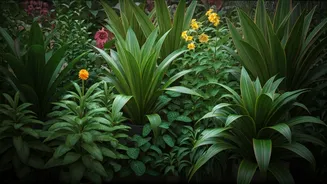
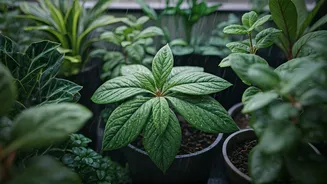
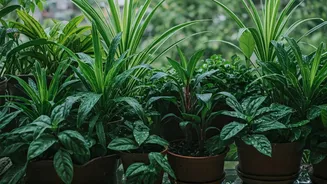
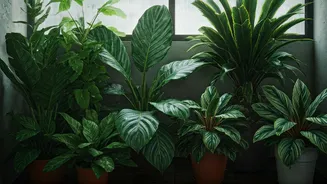
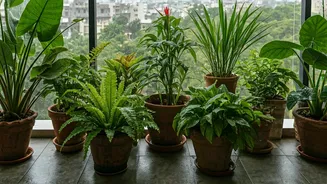
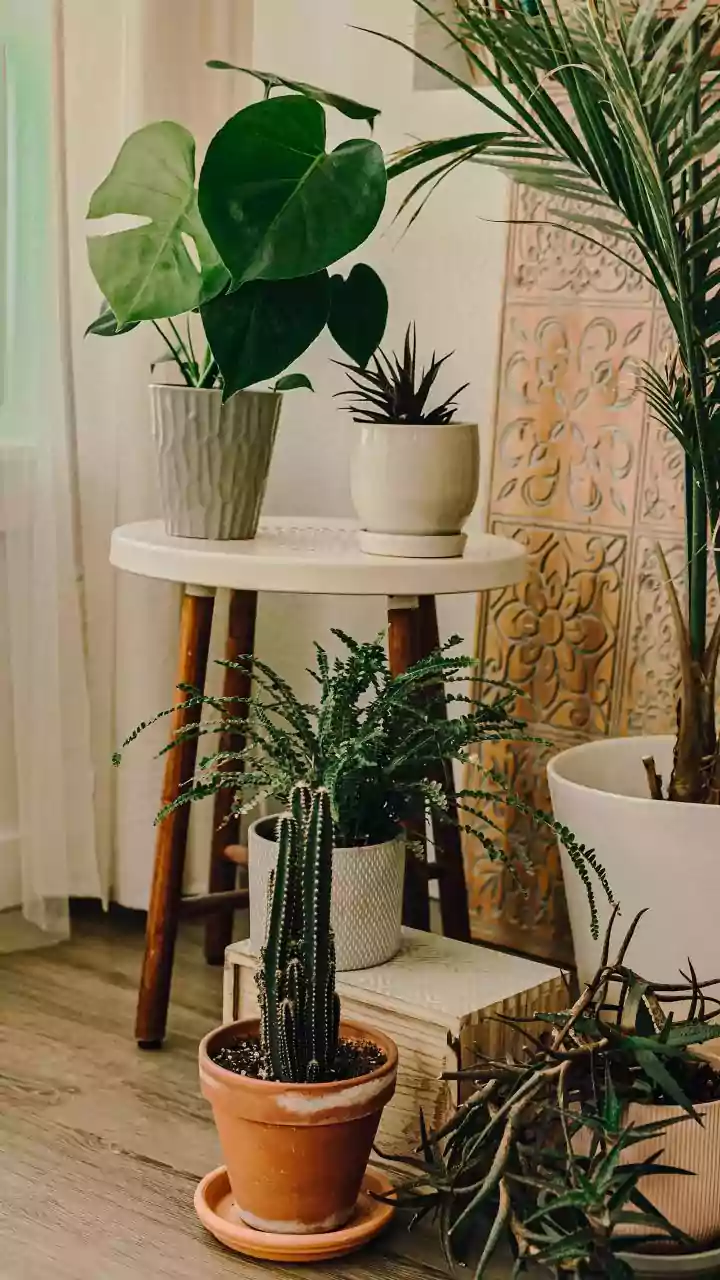
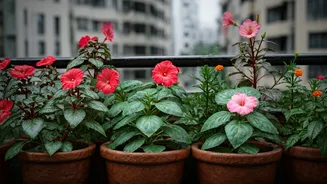
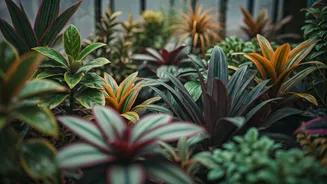
Before we dive into the specific flowers, a few general tips can help your monsoon garden flourish. The rainy season provides ample water, but this can be a double-edged sword. Ensure all your pots have excellent drainage holes to prevent waterlogging,
which can lead to root rot. If you can, elevate your pots on bricks or stands to help excess water escape. The high humidity is great for many tropical plants, but it also creates a welcoming environment for pests and fungal diseases. Keep an eye out for issues and improve air circulation by giving plants enough space and pruning excess foliage. Finally, while the rain provides plenty of water, it can also wash away nutrients from the soil, so consider using a slow-release organic fertilizer like compost every few weeks.
Hibiscus (Gudhal)
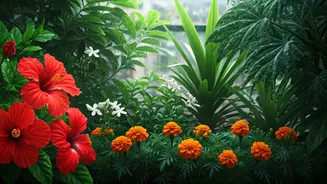
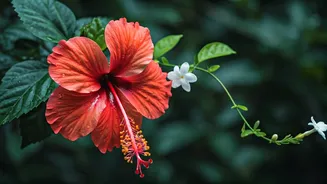
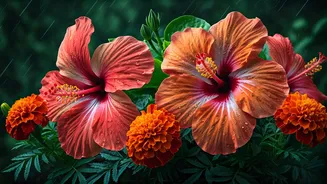
A staple in Indian gardens, the Hibiscus produces its large, magnificent blooms generously throughout the rainy season. These tropical, trumpet-shaped flowers come in a dazzling array of colours including red, pink, yellow, and white, instantly brightening any balcony or garden. Hibiscus loves the warm, moist climate of the monsoon. To ensure it thrives, place it in a spot that receives at least five to six hours of sunlight daily. While it loves moisture, it's prone to root rot, so well-draining soil is a must. Water only when the soil feels dry, as the rain will often provide all the moisture it needs. Pruning before the heavy rains can encourage bushier growth and more flowers.
Marigold (Genda)
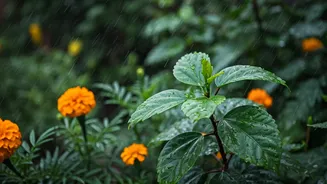
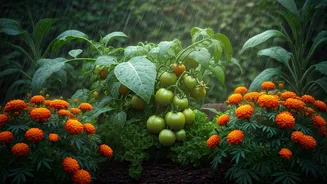
Known for their vibrant yellow and orange pom-pom-shaped flowers, Marigolds are hardy, sun-loving plants that bloom prolifically through the monsoon. A common sight in Indian households and temples, they bring a cheerful splash of gold to the garden. Marigolds are famously easy to grow and can tolerate seasonal changes well. They need plenty of sun and well-drained soil to prevent the roots from rotting in the wet weather. In fact, overwatering is a common mistake; it's best to let the soil dry out a bit between waterings. An added benefit is that marigolds are known to repel pests, making them excellent companion plants for your other green friends.
Balsam (Gulmehndi)
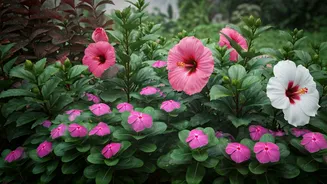
Balsam, also affectionately called 'Touch-Me-Not', is one of the most rewarding flowers to grow during the Indian monsoon. It produces beautiful, camellia-like flowers in shades of pink, red, violet, and white, bringing instant charm to any space. It thrives in the warm, humid conditions of the rainy season, which lasts from June to September. Balsam is perfect for balconies and pots, especially in slightly shaded spots. Sow the seeds at the start of the monsoon in well-drained, fertile soil. While monsoon showers usually provide enough water, ensure the soil remains moist but not waterlogged during any dry spells.
Jasmine (Mogra/Chameli)
The monsoon is synonymous with the intoxicating fragrance of Jasmine. These delicate white flowers bloom profusely during the rainy season, and their sweet scent becomes even more potent in the cool, moist air after a shower. Widely used in garlands, teas, and religious offerings, Jasmine is a beloved addition to any Indian garden. It prefers well-drained soil and a spot with partial to full sunlight. As a climber, it can be trained to grow on trellises or walls, creating a stunning vertical display. Consistent moisture will encourage a profusion of these fragrant jewels throughout the season.
Gulmohar (Flame Tree)
Known as the Flame of the Forest, the Gulmohar tree is a spectacular sight. It blankets entire avenues with its fiery red-orange blossoms just before and during the early monsoon. While it's a large tree best suited for spacious gardens or as an avenue tree, its beauty is iconic to the Indian landscape. The flowers appear in large clusters, creating a dramatic, fire-like canopy. Gulmohar thrives in tropical climates and full sun, and additional water during its blooming period can lead to even more abundant flowers. Its vibrant display makes it one of the most celebrated monsoon-time blooms.
Rain Lily (Zephyranthes)
As its name suggests, the Rain Lily offers a magical surprise, often blooming suddenly after a good shower. These small yet striking flowers pop up in delicate shades of pink, white, or yellow, symbolizing renewal and freshness. They are low-maintenance and perfect for pots, borders, or small balcony spaces. The bulbs can be planted just before the monsoon, and they will reward you with charming, cheerful blooms that appear almost overnight following the rain, adding a touch of magic to your garden.