

The Lithium-Ion Bottleneck
For years, the electric vehicle revolution has been powered by lithium-ion batteries. While effective, they come with significant drawbacks that keep EV costs high. The battery pack alone can account for up to 40% of an EV's total cost. The primary materials,
lithium and cobalt, are scarce, geographically concentrated, and subject to volatile pricing. India has very limited reserves of these minerals, leading to heavy import dependence, particularly on China, which dominates the global processing and supply chain. This reliance creates not only economic strain but also geopolitical vulnerability, making the dream of an affordable Indian EV a challenging one to realise.
Enter Sodium-Ion: The Abundant Alternative
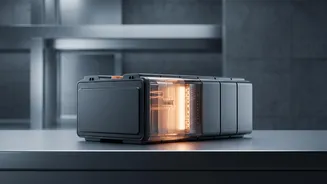
Sodium-ion batteries operate on a similar principle to their lithium-ion counterparts but use sodium ions as the charge carriers. The biggest advantage? Sodium is the sixth most abundant element on Earth. It can be easily and cheaply derived from common salt, a resource India has in plentiful supply. This simple fact completely changes the supply chain equation, offering a path to dramatically lower battery production costs—by an estimated 25-30% compared to lithium-ion versions. Furthermore, many sodium-ion designs avoid expensive and controversial metals like cobalt and nickel altogether. They are also safer, with a lower risk of fire, and perform better in India's wide range of temperatures, especially extreme cold.
Indian Innovation at the Forefront
Several Indian companies and research institutions are making significant strides in this field, aligning with the nation's 'Atmanirbhar Bharat' (self-reliant India) mission. Pune-based KPIT Technologies has developed its own sodium-ion battery technology, which it is commercialising in partnership with Trentar Energy Solutions. This collaboration includes plans for a 3 GWh manufacturing facility, a significant step towards mass production. Meanwhile, industrial giant Reliance Industries has made a major move by acquiring Faradion, a leading UK-based sodium-ion technology company, for £100 million. Reliance is fast-tracking the commercialisation of this technology and plans to build a giga-factory in Jamnagar by 2026 to produce these batteries.
What This Means for Your Next Vehicle
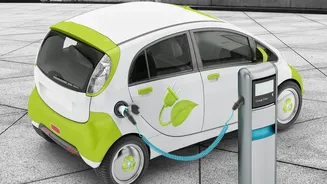
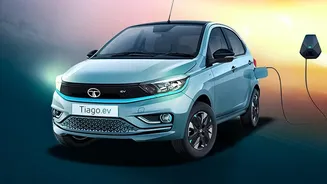
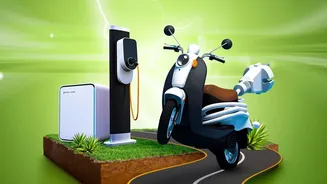
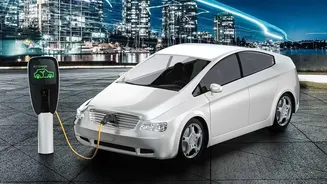
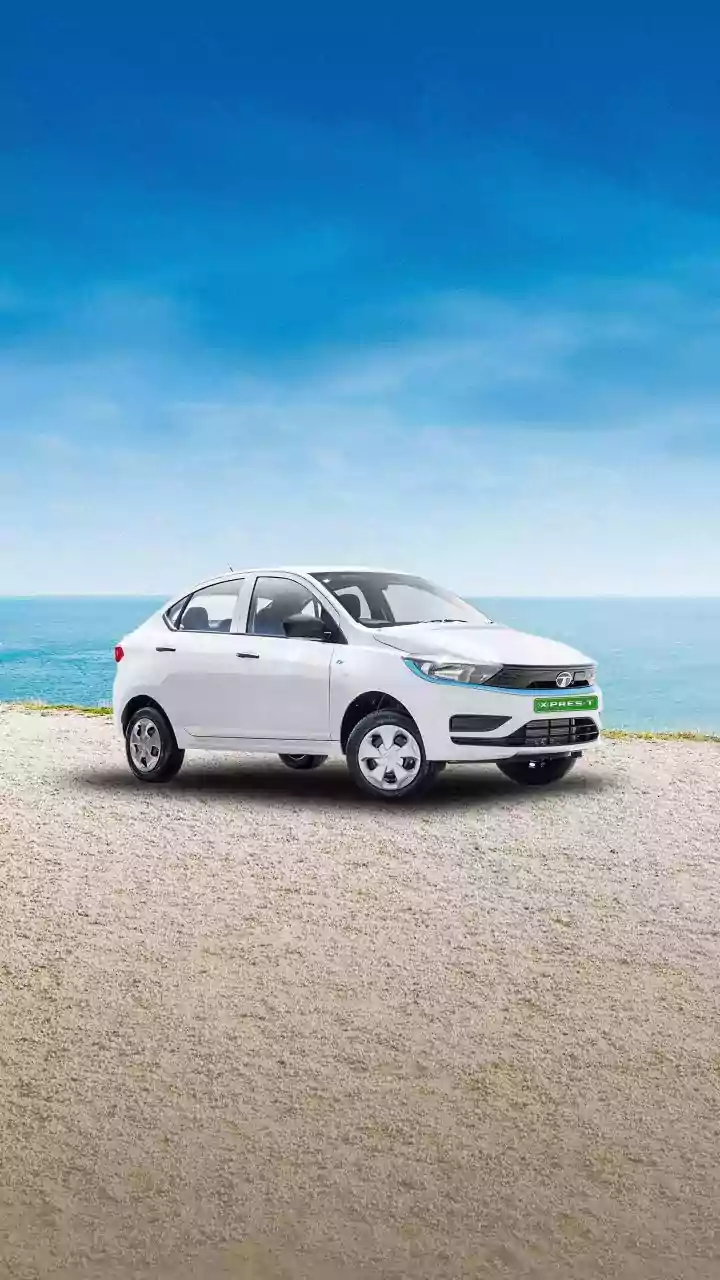
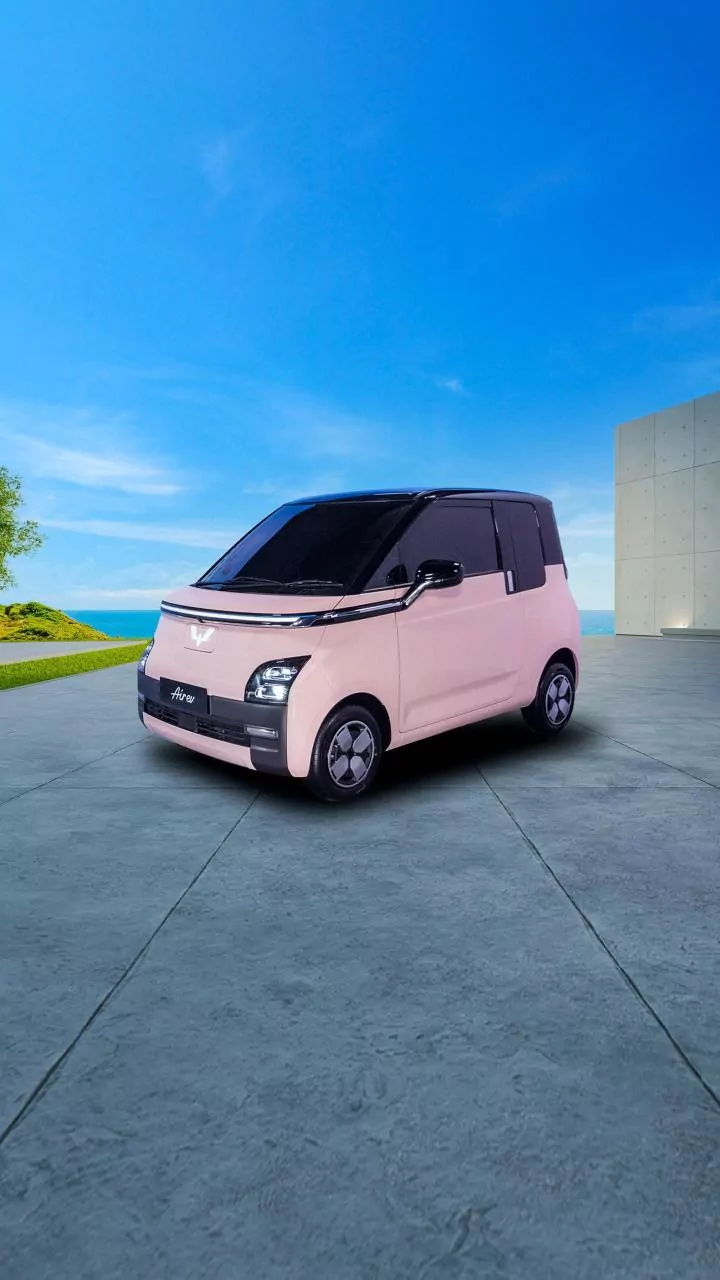
The shift to sodium-ion batteries is expected to have the most immediate impact on the more price-sensitive segments of the market. Electric two-wheelers, three-wheelers, and affordable passenger cars are prime candidates for this technology. While current sodium-ion batteries have a lower energy density than high-end lithium-ion cells—meaning they offer less range for the same weight—their performance is rapidly improving and is already comparable to the Lithium Iron Phosphate (LFP) batteries used in many standard-range EVs today. Recent innovations also promise faster charging times, with some prototypes reaching 80% charge in just a few minutes, addressing another key consumer concern.
The Road Ahead: Challenges and Potential
Despite the immense promise, the transition won't happen overnight. The primary challenge remains energy density. For long-range, high-performance EVs, lithium-ion will likely remain the dominant technology for the near future. Scaling up manufacturing and establishing a domestic supply chain for all components, like hard carbon for anodes, are also significant hurdles that need to be overcome. However, the industry is not viewing this as a replacement but as a complementary technology. Sodium-ion batteries are perfect for making affordable, mass-market EVs a reality and for stationary energy storage, which is crucial for supporting India's renewable energy grid.