




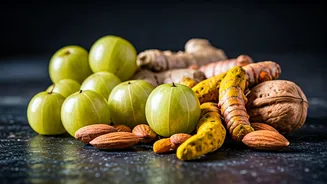



The Monsoon Challenge for Your Gut
As the rains bring down the temperature, they also bring a unique set of challenges for our bodies. According to Ayurvedic wisdom, the humidity and dampness of the monsoon season can slow down our 'Agni', or digestive fire. [7, 9] This is why you might
feel more sluggish, bloated, or prone to indigestion during these months, even when eating your favourite foods. [16, 20] The increased moisture in the environment also creates a breeding ground for bacteria and viruses, making our immune systems work overtime. [3, 17] This combination of a weakened digestive system and a higher risk of infection means that what we eat, and how we eat it, becomes more important than ever.
The Simple Habit: A Spice-Forward Approach
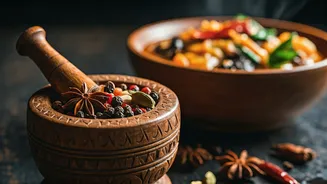
The single most effective everyday habit to transform your monsoon meals is the conscious and liberal use of digestive and immunity-boosting spices. This isn't about making every dish fiery hot, but about understanding the medicinal properties packed into your masala box and using them strategically. [19] Spices like ginger, turmeric, black pepper, cumin, and asafoetida have been staples in Indian kitchens for centuries for a reason. They act as natural aids to strengthen digestion, fight inflammation, and build immunity. [4, 25] Making it a habit to include a combination of these spices in every meal—from your morning chai to your dinner dal—can make a remarkable difference in how you feel throughout the season.
Your Monsoon Spice Toolkit
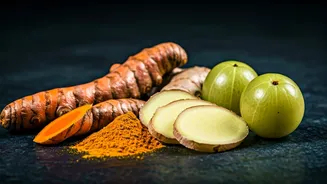
Think of these spices as your personal wellness team for the monsoon. **Ginger** is a powerhouse, known for its ability to soothe the digestive system, fight nausea, and combat cold and flu symptoms. [4, 12] **Turmeric**, with its active compound curcumin, is a potent anti-inflammatory and antioxidant that shields you from infection. [4, 12] **Black Pepper** does more than just add a kick; its compound, piperine, helps awaken the digestive system and, importantly, enhances the absorption of nutrients from other foods, including turmeric. [16] **Cumin (Jeera)** and **Fennel (Saunf)** are brilliant for preventing gas and bloating. [4, 10] Finally, a pinch of **Asafoetida (Hing)** in dals and vegetable preparations can significantly ease digestion and prevent gastric issues. [7, 25]
Putting It Into Practice
Incorporating this habit is easier than you think. Start your day with a ginger-tulsi tea. [2] Add an extra pinch of turmeric and freshly crushed black pepper to your dal and sabzi. [25] Roast cumin seeds and sprinkle them over buttermilk or yoghurt (probiotics that also help gut health). [10, 18] Prepare a 'kadha' or herbal decoction with a mix of ginger, cinnamon, cloves, and black pepper to sip on a rainy evening. [6] Even your comfort-food pakoras can be made more monsoon-friendly by adding ajwain (carom seeds) to the batter to aid digestion. The key is to make these additions a consistent, mindful part of your cooking routine.
Beyond Spices: Other Smart Monsoon Habits
While spices are your secret weapon, a few other habits can complement their benefits. Always opt for warm, freshly cooked meals, as they are easier to digest than cold or raw foods. [9, 10] This is why warm soups and stews feel so right during this season. [18] It's wise to limit street food, which carries a higher risk of contamination. [14, 23] Also, be cautious with raw vegetables and leafy greens; if you do eat them, ensure they are washed thoroughly. [14, 15] Staying hydrated with warm water and herbal teas, rather than cold beverages, also helps keep the digestive system happy and your body warm from the inside out. [2, 10]