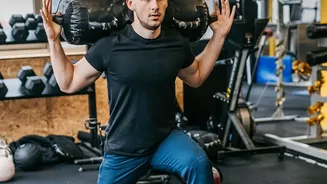








As we age, the desire to stay active, strong, and independent is universal. A growing number of older adults are discovering that one of the most powerful tools for healthy aging isn't a secret—it's the simple act of resistance training.
Combating Age-Related Muscle Loss
One of the most
significant challenges of aging is sarcopenia, the natural, gradual loss of muscle mass and strength. This isn't just about appearance; it directly impacts your ability to perform everyday tasks, from getting out of a chair to carrying groceries. Sarcopenia is a primary reason for a decline in mobility and a major contributor to falls and fractures in older adults. Fortunately, research consistently shows that resistance training is one of the most effective ways to combat it. By causing muscles to contract against an external force—whether it's a dumbbell, a resistance band, or your own body weight—you stimulate muscle fibers, encouraging them to grow stronger and helping to preserve, and even build, precious muscle mass at any age.
More Than Muscle: Fortifying Your Bones
While muscle is crucial, the framework supporting it is just as important. Bone density tends to decline after age 50, increasing the risk for osteoporosis, a condition that makes bones weak and brittle. Resistance training provides a powerful defense. Weight-bearing exercises place mechanical stress on your bones, which signals bone-building cells called osteoblasts to get to work. This process helps slow bone loss and, in some cases, can even increase bone mineral density in critical areas like the hips and spine. A stronger skeleton means a lower risk of debilitating fractures from a fall, providing a solid foundation for an active life.
Enhancing Balance and Everyday Movement
The benefits of stronger muscles and bones translate directly into improved daily function. Better strength in your legs and core enhances your balance and stability, which is your first line of defense against falls. Studies show that regular strength training significantly reduces the risk of falls by improving your body's ability to react and stabilize itself. This newfound stability builds confidence in movement, whether you're navigating an uneven sidewalk, climbing stairs, or simply walking across a room. Activities that once felt challenging can become easier and safer, preserving the independence that is so vital to a high quality of life.
A Boost for Your Brain and Metabolism
The advantages of resistance training extend beyond the physical. Engaging in strength exercises has been shown to have remarkable benefits for cognitive health. Research indicates that it can improve executive functions like attention and processing speed, and may even slow cognitive decline in older adults. This is partly due to increased blood flow to the brain during exercise. Furthermore, muscle is metabolically active tissue. By maintaining or increasing your muscle mass, you improve your body's ability to manage blood sugar and enhance your overall metabolism. This can help manage weight and reduce the risk of developing chronic conditions like type 2 diabetes.
Getting Started Safely and Effectively
Starting a resistance training routine doesn't have to mean lifting heavy weights at a gym. For many, it begins at home with simple, effective exercises. Bodyweight movements like squats (using a chair for support), wall pushups, and seated leg lifts are excellent starting points. Resistance bands offer a lowimpact alternative that is easy on the joints. The key is to start slowly, focus on proper form, and listen to your body. Guidelines generally recommend musclestrengthening activities at least two days per week, targeting all major muscle groups. Consistency is more important than intensity when you're beginning. As you get stronger, you can gradually increase the challenge by adding more repetitions or light weights.