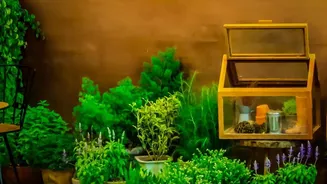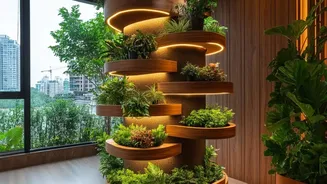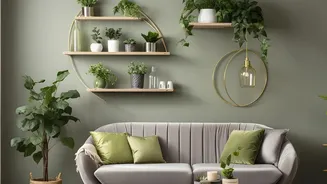




Living in a city often means sacrificing space, but it doesn’t have to mean giving up on your dream of a lush garden. Vertical garden walls offer a brilliant solution, turning any blank wall or balcony into a thriving green oasis.
What is a Vertical Garden?
A vertical garden is
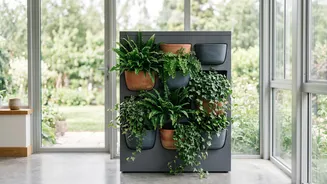
a method of growing plants on a vertically suspended structure instead of on the ground. Often called living walls or green walls, these systems can range from simple, DIY projects using mounted pots or fabric pockets to sophisticated modular panels with built-in irrigation. The core idea is to maximise growing potential in a small footprint, making it perfect for apartments, balconies, and small courtyards where floor space is a premium. They are not just aesthetically pleasing but also functional, allowing you to grow everything from ornamental flowers to fresh herbs and vegetables.
The Benefits of Growing Upwards
Beyond saving space, vertical gardens bring a host of benefits to urban homes. They act as natural air purifiers, absorbing carbon dioxide and filtering common indoor pollutants. A wall of plants can also help insulate and cool your home, potentially reducing energy costs. The dense foliage is effective at absorbing sound, which can help dampen noise in busy city environments. Furthermore, tending to a garden has well-known mental health benefits, reducing stress and providing a much-needed connection to nature. And if you choose to grow edibles, you’ll have the freshest produce right at your doorstep.
Choosing the Right System
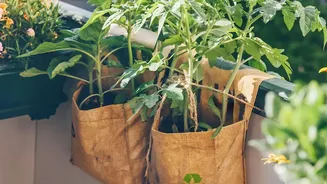
Several types of vertical garden systems are available, each suited to different needs and spaces. Fabric pocket planters are a lightweight and affordable option for beginners, ideal for herbs and trailing plants. Modular or panel systems are great for larger, more permanent installations and often include irrigation channels. For a DIY approach, you can repurpose wooden pallets or create a trellis for climbing plants. When choosing, consider the weight. A fully watered garden is heavy, so ensure your wall and mounting hardware are strong enough to support it. For renters, freestanding A-frames or leaning ladder shelves offer great non-permanent solutions.
Best Plants for Indian Climates
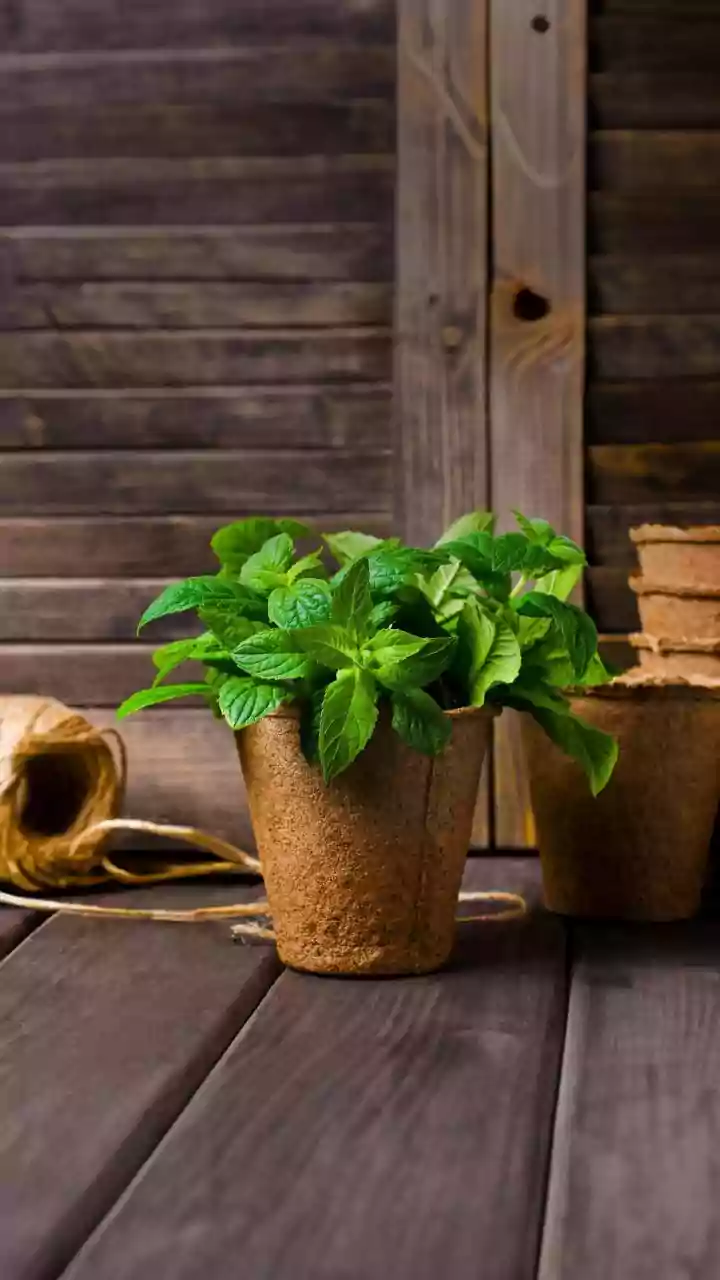
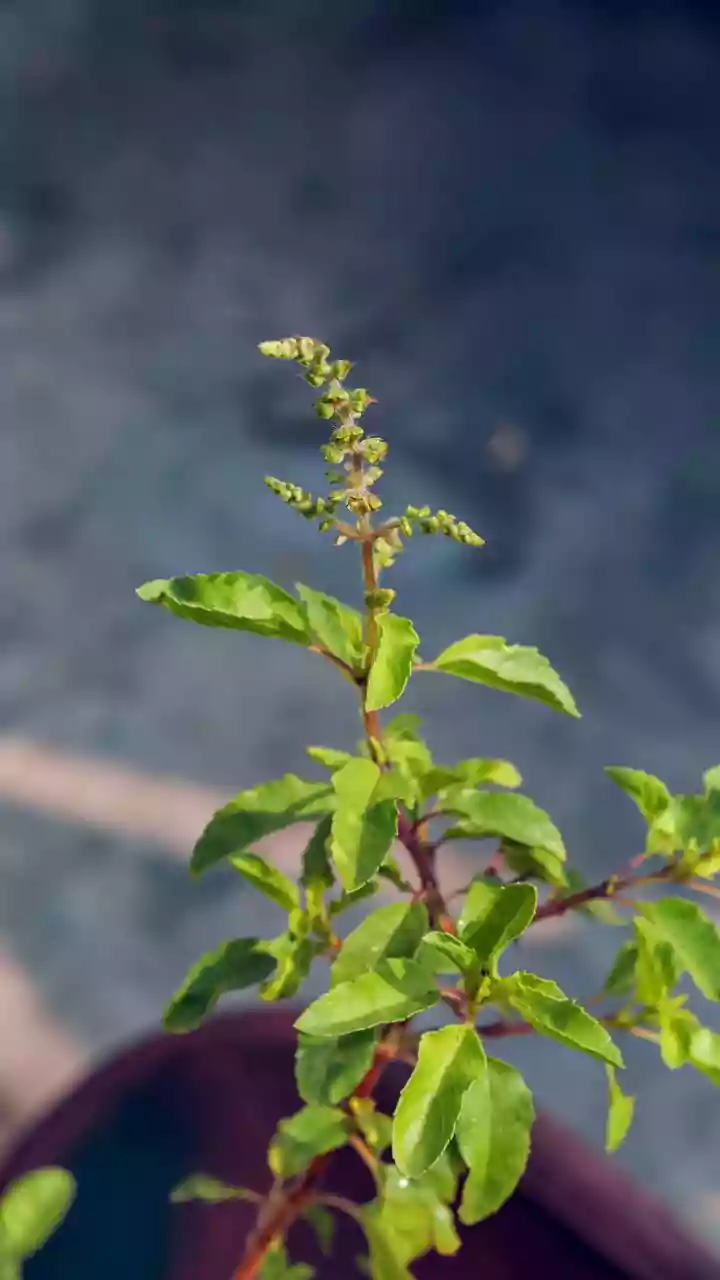
Choosing the right plants is crucial for success. For sunny, hot balconies, consider heat-tolerant species like Portulaca, Vinca (Sadabahar), and dwarf Bougainvillea. Many herbs also thrive in the sun. For spots with indirect or lower light, such as a shaded balcony or an indoor wall, Money Plant (Pothos), Philodendron, Syngonium, and various ferns are excellent choices. These plants are forgiving and adapt well to the containerised life of a vertical garden. Always group plants with similar light and water needs together to simplify care. For edible options, leafy greens like lettuce and spinach, as well as strawberries, have shallow root systems that work well in vertical planters.
Getting Started: Setup and Care
First, select your location, keeping in mind the sun exposure your chosen plants will need. Ensure the wall is prepared, using a waterproof backing if necessary to prevent moisture damage. Use a lightweight, well-draining potting mix, as regular garden soil is too heavy and can compact easily. A mix containing cocopeat and perlite is often a good choice. Watering is one of the trickiest parts. Vertical gardens can dry out quickly, especially at the top. A drip irrigation system can automate this, but hand-watering works too—just be sure water is distributed evenly and doesn't just run to the bottom. Check the soil moisture every couple of days and water when the top inch feels dry.
Common Mistakes to Avoid
One of the biggest pitfalls is choosing the wrong plants for your light conditions or plants that grow too large for the containers. Another common error is underestimating the weight of the wet soil and plants, leading to structural failure. Overcrowding is also an issue; give your plants room to mature or they will compete for resources and look messy. Finally, improper watering—both too much and too little—can quickly lead to problems like root rot or dried out plants. Regular checks for pests and consistent feeding with a liquid fertiliser every few weeks will help keep your vertical garden thriving.