





The Dawn of a New Era in Rail Travel
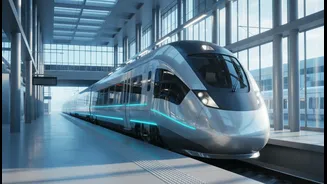
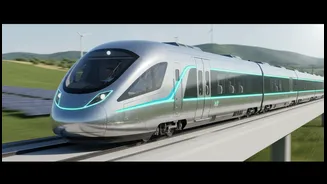
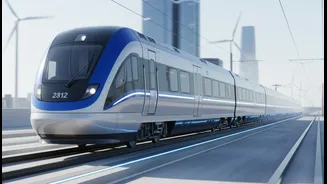
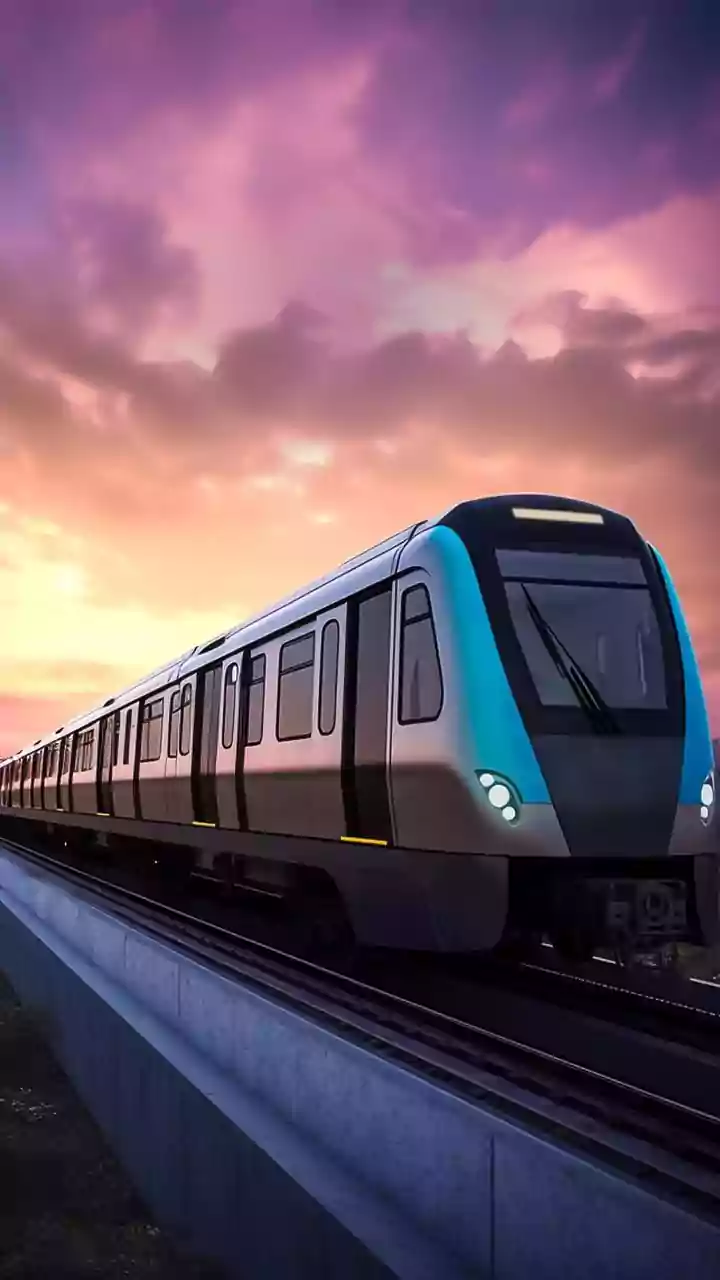
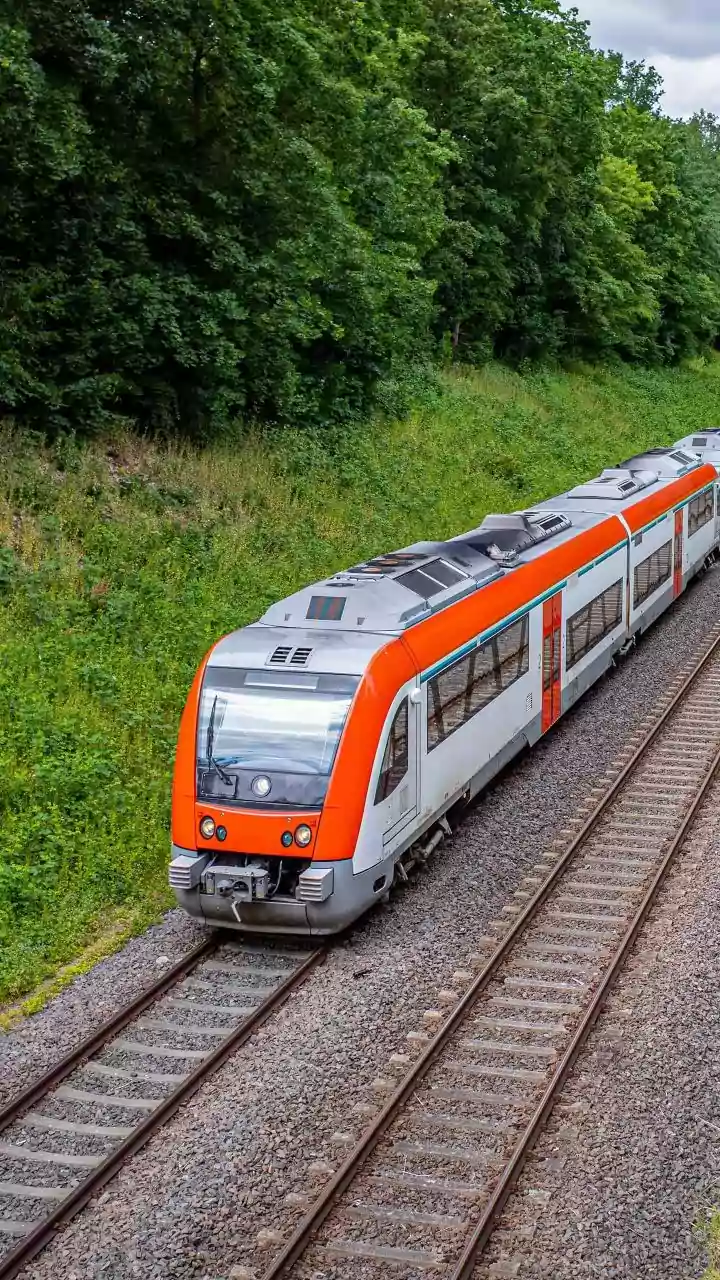
On July 17, Prime Minister Narendra Modi is set to flag off the nation's inaugural hydrogen fuel cell-powered train from Jind in Haryana. This train, which will operate on the 89-kilometre Jind-Sonipat route, represents a monumental leap for Indian Railways.
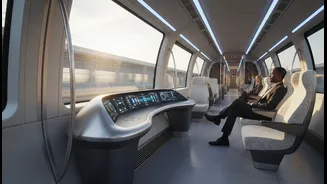
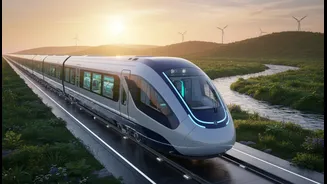
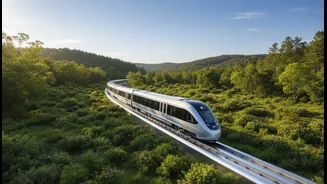
Unlike conventional diesel trains that burn fossil fuels, hydrogen trains use a chemical reaction between hydrogen and oxygen to generate electricity. The only emission from this process is water vapour, making it a zero-carbon mode of transport. After extensive trials, the train is ready for its commercial run, promising a quieter, cleaner, and more efficient journey for thousands of passengers daily.
How It Works: Clean Power on the Move
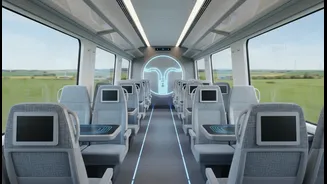
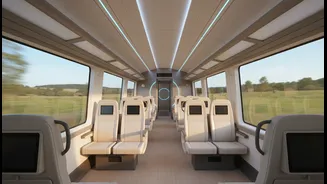
At the heart of the new train is a sophisticated hybrid system combining hydrogen fuel cells and lithium-ion batteries. The train consists of ten coaches, with two driving power cars at each end that house the fuel cell systems. These power cars generate a combined output of 2,400 kW, converting stored compressed hydrogen into electricity to power the motors. This technology allows the train to run on existing tracks without the need for overhead electrical lines, offering a flexible solution for routes that are difficult or costly to electrify. The train has a range of about 250 km on a single fill of hydrogen and can reach operational speeds of 75 kmph, significantly cutting travel time on its route.
A Boost for 'Make in India'
This project is a major victory for India's indigenous manufacturing capabilities. The train was designed by the Lucknow-based Research Designs and Standards Organisation (RDSO) and built at the Integral Coach Factory (ICF) in Chennai. The launch showcases India's growing technical prowess, placing it in a select group of nations like Germany and Japan that are actively developing hydrogen rail technology. The development of supporting infrastructure, such as the hydrogen production and refuelling station established in Jind, further strengthens the domestic ecosystem for clean energy. This achievement is a key part of the 'Make in India' initiative and the government's Green Transport Mission.
Driving the National Green Hydrogen Mission
The hydrogen train is more than just an engineering marvel; it is a moving symbol of India’s larger climate ambitions. The project is a practical application of the National Green Hydrogen Mission, which aims to make India a global hub for the production and export of green hydrogen. By demonstrating a high-profile use case for hydrogen, Indian Railways is helping to build momentum and drive down costs for the entire green hydrogen value chain. This initiative directly contributes to India's goal of achieving Net Zero emissions by 2070 and becoming energy independent by 2047, reducing the nation's reliance on imported fossil fuels.
The Road Ahead: Challenges and Opportunities
Despite the excitement, the path to a nationwide hydrogen rail network is not without its hurdles. The primary challenges are the high initial costs of producing green hydrogen and manufacturing the trains themselves. Building a comprehensive network of hydrogen production and refuelling stations across the country will require massive investment and coordination. Safety is another critical consideration, as hydrogen is highly flammable, necessitating advanced detection and control systems which have been incorporated into the design. However, as technology matures and economies of scale are achieved, these costs are expected to decrease, making hydrogen a more viable option for routes where electrification is not feasible, such as heritage lines and hilly terrains.