


Understanding the Labels: SPF and Broad-Spectrum
Before we get into application, let's decode the bottle. The Sun Protection Factor (SPF) primarily measures protection against UVB rays, the kind that cause sunburn. Dermatologists recommend using an SPF of 30 or higher, which blocks about 97% of UVB rays.
But UVB is only part of the story. UVA rays, which cause premature ageing and skin damage, are present all day and can even penetrate glass. This is why the term "broad-spectrum" is critical. It means the product has been tested to protect against both UVA and UVB rays, offering complete protection. Without that label, even a high-SPF sunscreen leaves you vulnerable.
The Golden Rule: How Much Is Enough?
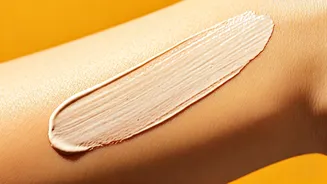
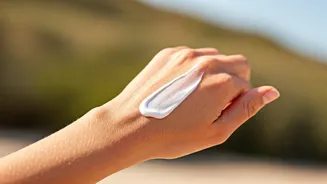
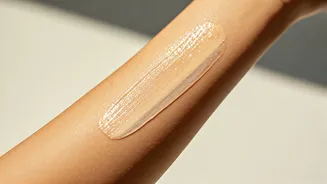
The single most common mistake is not using enough sunscreen. Most people apply only 25-50% of the amount needed to achieve the SPF protection stated on the label. This means your SPF 50 could be functioning more like an SPF 10 or 15. For proper facial protection, the widely adopted "two-finger rule" is a simple guide: squeeze sunscreen in two lines along your index and middle fingers. This amount, roughly a quarter to a half teaspoon, should cover your face and neck. For the entire body, the general recommendation is about one ounce, or enough to fill a shot glass. Applying this amount may feel generous, but it's what's required for true protection.
Timing and Reapplication Are Everything
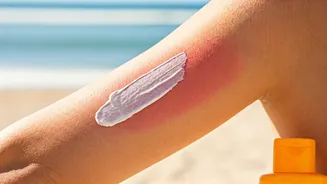
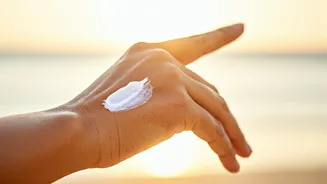
Sunscreen is not a set-it-and-forget-it product. To be effective, chemical sunscreens need to be applied 15 to 30 minutes before you go outside, allowing the ingredients time to be absorbed by the skin. The second rule, which is just as important, is reapplication. A single application in the morning is not enough. Sunscreen's effectiveness degrades over time and with exposure. The universal guideline is to reapply every two hours when outdoors. This two-hour rule applies regardless of the SPF number; a higher SPF does not mean you can wait longer to reapply. You must reapply even more frequently—every 40 to 80 minutes—if you are swimming, sweating heavily, or have towel-dried your skin, as these activities remove the protective layer.
Don't Miss These Commonly Forgotten Spots
Even with the right amount, it's easy to miss spots. The most commonly neglected areas are the ears, the back of the neck, the tops of the feet, and eyelids. Your scalp, especially if you have thinning hair, and your lips are also highly susceptible to sun damage. Use a sun-protective lip balm and be sure to cover all skin that isn't protected by clothing. When applying, many experts suggest a dotting method—placing small dots of sunscreen across your face before blending—to ensure a more even distribution than simply rubbing a large amount in one area.
The Makeup Myth: Why Foundation with SPF Isn't Enough
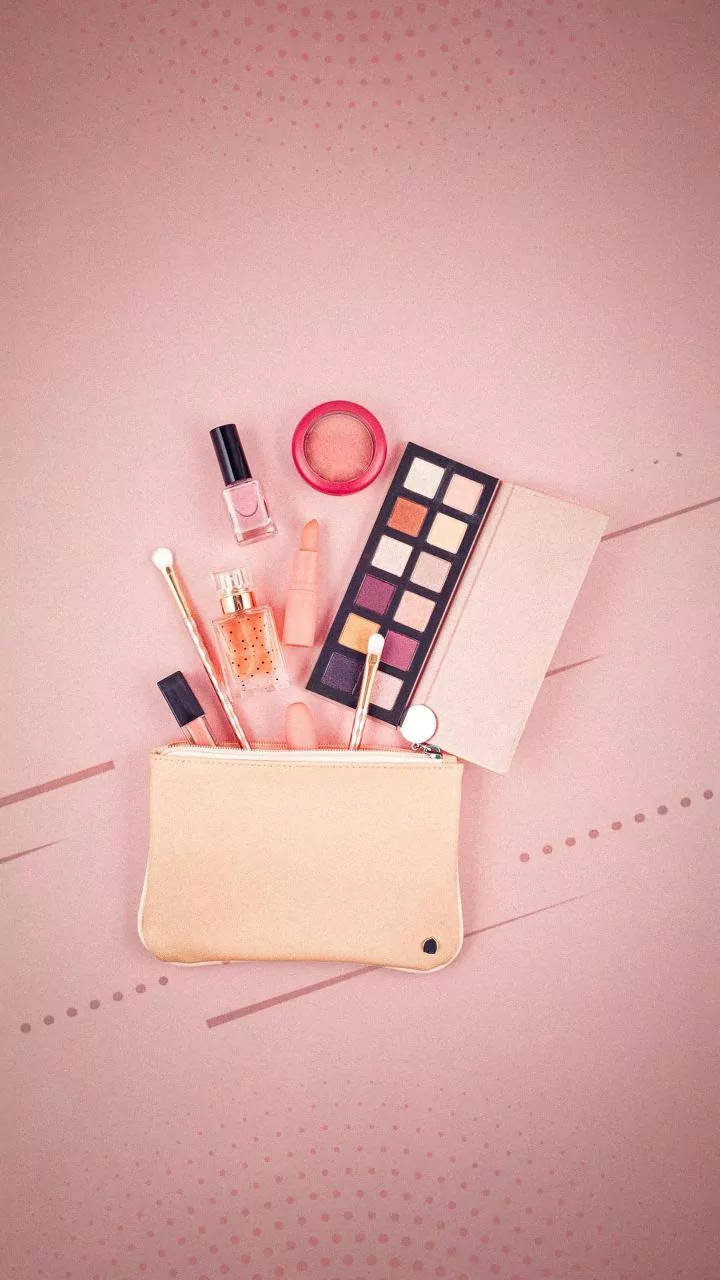
Relying solely on makeup with SPF for your sun protection is a risky strategy. While the SPF in foundation or powder is real, achieving the advertised protection level would require you to apply a very thick layer—far more than is typical for a cosmetic product. The amount of foundation most people use provides significantly less protection than the number on the bottle suggests. Think of SPF in makeup as a bonus layer of protection, not your primary defence. The best practice is to apply a dedicated, broad-spectrum sunscreen as the final step of your skincare routine, let it absorb, and then apply your makeup on top.