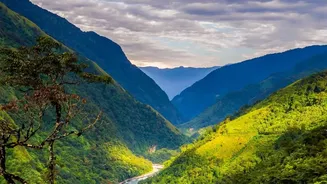









A Tale of Two Monsoons
The idea that India's monsoon is simply packing its bags and moving east is a compelling one, but the reality on the ground is far more complex and volatile. Recent data from the 2026 monsoon season, for instance, challenges this straightforward narrative.
While the headline suggests a wettening of the east, East and Northeast India have been grappling with a significant rainfall deficit, recording nearly 32% less rain than normal as of late July. Simultaneously, intense rainfall has lashed western and central parts of the country, erasing the national deficit for July and showcasing a dramatic divergence in weather patterns across the subcontinent. This doesn't mean the climate isn't changing, but it indicates the shift is not a simple, linear migration of rainfall. Instead, it points to a more chaotic and unpredictable system where traditional monsoon corridors are no longer guaranteed their share of rain.
From Long Dry Spells to Flash Floods
The true story in states like Arunachal Pradesh and Nagaland is one of increasing weather whiplash. These regions are now experiencing the paradox of drought-like conditions punctuated by episodes of extreme, destructive rainfall. In one recent spell, Mokokchung in Nagaland received an astonishing 493% more rain than its normal average, triggering devastating flash floods. This deluge, combined with heavy rains in parts of Assam and Arunachal Pradesh, has led to widespread flooding, landslides, the displacement of thousands, and tragic loss of life. This is the new, dangerous face of the monsoon: it's not just about the total volume of rain over four months, but the intensity with which it falls. Long, dry periods can be suddenly broken by catastrophic downpours that the parched land cannot absorb, leading to disaster.
The Science Behind the Chaos
So, what is driving this increased volatility? Scientists point to a combination of powerful forces. Global warming is a primary culprit; for every degree of Celsius the atmosphere warms, it can hold more moisture, leading to more intense and erratic rainfall events. Studies have confirmed that human-induced climate change is likely the main driver behind the increasing frequency of heavy precipitation. The classic mechanics of the monsoon—driven by the heating of the Tibetan plateau and the shift of the Inter-Tropical Convergence Zone (ITCZ)—are being disrupted. The monsoon trough, a low-pressure belt, can shift its position; when it moves south of its normal location, it tends to bring more rain to central India while leaving the Northeast dry. This, combined with complex global atmospheric phenomena like jet stream behavior, means moisture that might have once fallen over the Northeast is now being pulled elsewhere, setting the stage for the unpredictable weather India is now facing.
National Ripples and an Uncertain Future
This newfound unpredictability has consequences that ripple across the entire nation. For Arunachal and Nagaland, the volatility threatens agriculture, strains infrastructure, and puts lives at constant risk from landslides and floods. For regions in Central India experiencing heavier-than-usual rain, the short-term benefit to reservoirs is often overshadowed by urban flooding and crop damage. The uneven distribution has also kept national reservoir levels below the 10-year average, despite heavy rains in some areas, highlighting a growing disconnect between rainfall and water storage. This chaotic new reality makes long-term planning incredibly difficult for farmers, who don't know whether to prepare for drought or deluge, and for policymakers tasked with managing everything from urban drainage to national food security. The old monsoon calendar is becoming less reliable, forcing a nationwide rethink of our relationship with the rain.