






First, What Exactly Is El Niño?
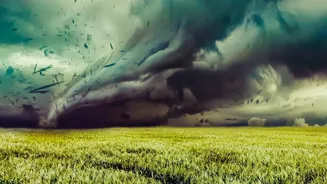
Think of El Niño as a large-scale weather disruption that starts with the ocean. Normally, strong winds push warm surface water in the Pacific Ocean westwards, away from South America. But during an El Niño year, these winds weaken. This allows a vast
pool of warm water to shift eastward, towards the central and eastern Pacific. This seemingly distant event doesn't stay in the Pacific; it sets off a domino effect, altering weather patterns, temperatures, and rainfall across the globe, including a significant influence on India's monsoon.
The Critical Link to India’s Monsoon
For India, El Niño is a major cause for concern because it is strongly linked to weaker monsoon seasons. The warming of the Pacific waters can disrupt the atmospheric circulation that typically brings rain-bearing clouds to the subcontinent. While not every El Niño year results in a drought, historical data shows a high probability of below-normal rainfall. The India Meteorological Department (IMD) has noted that the ongoing El Niño is expected to strengthen during the monsoon season, increasing the chances of a rainfall deficit which could have a significant impact on agriculture.
The Immediate Threat to Kharif Crops
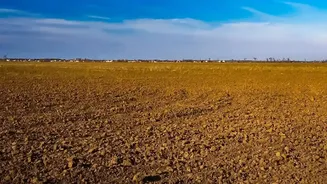
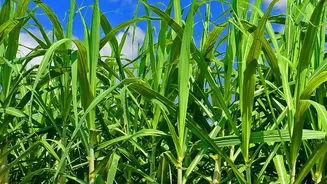
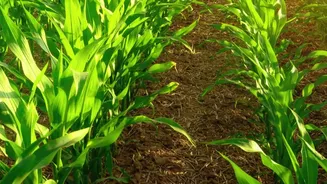
The Kharif or summer crops are the most vulnerable as their sowing and growth are directly tied to the arrival and performance of the southwest monsoon. Key crops like rice, soybeans, cotton, and sugarcane depend heavily on timely and adequate rainfall, especially in regions with limited irrigation. A delayed onset of the monsoon, prolonged dry spells, or uneven rainfall distribution—all potential effects of El Niño—can lead to delayed sowing, reduced crop area, and moisture stress during critical growth phases. This can significantly reduce yields. Reports already show a reduction in the sown area for paddy in 2026 due to rainfall uncertainty.
A Ripple Effect on Winter Rabi Crops
The impact of a weak monsoon doesn't end with the Kharif harvest. The rains are crucial for replenishing reservoirs, dams, and groundwater levels across the country. These water reserves are vital for irrigating the Rabi (winter) crops, such as wheat, mustard, and gram. If a poor monsoon leaves reservoirs at low levels, it creates a shortage of water for the subsequent Rabi season, potentially leading to lower sowing and reduced yields for winter crops as well. This creates a year-long cycle of agricultural stress originating from one deficient monsoon.
Broader Economic and Social Consequences
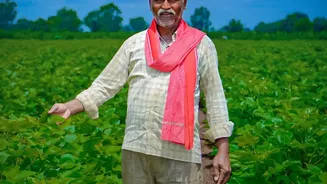
The fate of agriculture is deeply connected to the wider economy. A fall in crop production directly leads to lower supply, which can trigger a rise in food inflation, affecting household budgets across the country. For millions of farmers, lower yields mean reduced income, leading to rural distress. This, in turn, weakens rural demand for goods like two-wheelers and tractors, and can increase pressure on financial institutions like microfinance companies. The government has also expressed concerns, with high-level meetings being held to monitor the situation and its potential economic fallout.
Is India Prepared for the Challenge?
Fortunately, the link between El Niño and agricultural disaster is not as automatic as it once was, thanks to improved preparedness. The government is on high alert, with ministries directed to work with states to mitigate the impact. The Indian Council of Agricultural Research (ICAR) has issued detailed contingency plans for over 200 vulnerable districts, promoting the use of drought-tolerant crop varieties and issuing advisories to farmers. Efforts are also being made to maximise the coverage of crop insurance schemes like the Pradhan Mantri Fasal Bima Yojna to provide a safety net for farmers against potential losses.