





The Monsoon's Corrosive Power
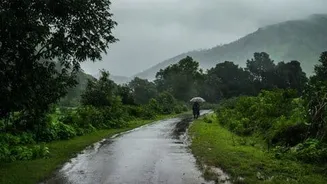
Every year, the monsoon season brings life-giving rains to Kerala, but it also unleashes a formidable force of nature. For the state's prized snake boats—some stretching over 100 feet long—this period poses a significant threat. The relentless dampness
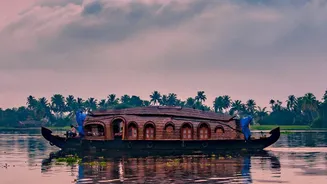
can cause wood to swell, rot, and weaken, jeopardizing the integrity of these cultural treasures. Made from Anjali wood and built according to ancient Vedic principles, these boats are more than just vessels; they are revered community icons, each belonging to a village that treats it with near-divine respect. Protecting them is not just a matter of maintenance but of preserving a legacy.
An Ancient Recipe for Resilience
Long before the advent of modern chemical sealants, Keralan boat builders perfected a unique and highly effective waterproofing solution. The primary ingredient in this traditional treatment is fish oil. This is not used alone, but as the base for a powerful concoction. The exact recipe can vary, but it commonly includes a mixture of fish oil, the ash of burned coconut shells, and even eggs. This organic paste is meticulously applied to the boat's hull, a process that is both a science and a ritual. The knowledge of building and maintaining these boats has been passed down orally through generations of master carpenters, known as Moothashari.
The Science Behind the Sheen
The effectiveness of this ancient treatment lies in the chemical properties of its ingredients. Fish oil, being a drying oil, penetrates deep into the wood's fibres. When exposed to air, it undergoes a process called polymerization, hardening to form a durable, water-repellent barrier from within. This prevents water absorption, which is the first step towards rot and decay. The addition of carbon from coconut shell ash likely provides pigmentation and added toughness, while eggs act as a binder, helping the mixture adhere smoothly to the wood. This coating doesn't just protect the boat from water; it makes the hull incredibly slick, reducing friction and allowing it to glide faster during the fiercely competitive boat races.
A Communal Act of Preservation
The annual oiling of a snake boat is far from a solitary task. It is a communal event that strengthens village bonds. After the racing season concludes and before the monsoons set in, the boat is brought ashore for its yearly repairs and treatment. Men from the village, who are the only ones permitted to touch the sacred vessel and must do so barefoot, work together to apply the pungent, protective mixture. This collective effort reinforces the boat's status as a shared entity, a source of pride and unity for the entire community. It is a physical manifestation of their commitment to preserving their heritage and preparing the vessel for future glories on the water.
From Protection to Peak Performance
The meticulous oil treatment is crucial not only for surviving the monsoon but also for achieving victory in races like the prestigious Nehru Trophy Boat Race. A well-maintained hull is a fast hull. By preventing waterlogging, the boat remains light and agile. The slick, oiled surface ensures minimal resistance as over a hundred oarsmen propel it through the backwaters in perfect synchrony. This ancient waterproofing technique, therefore, serves a dual purpose: it is an act of preservation during the off-season and a critical component of performance-tuning when the racing season begins. It ensures that when the boat hits the water, it does so in peak condition, ready to compete.