




The Millennial Burnout Crisis
Burnout has become more than a buzzword; for many millennials, it's a chronic state of being. Defined by emotional exhaustion, cynicism, and a sense of reduced accomplishment, it's a direct result of our 'always-on' world. This generation has navigated
economic uncertainty, the rise of demanding work cultures, and the blurring of lines between work and home, often fueled by the very technology that was supposed to make life easier. The result is a state of constant, low-grade stress that a typical one-week vacation, often spent checking emails, can't truly fix. The body and mind remain in high-alert mode, leading to disrupted sleep, anxiety, and a feeling of being perpetually drained.
Beyond a Vacation: The Circadian Reset
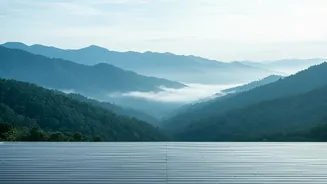
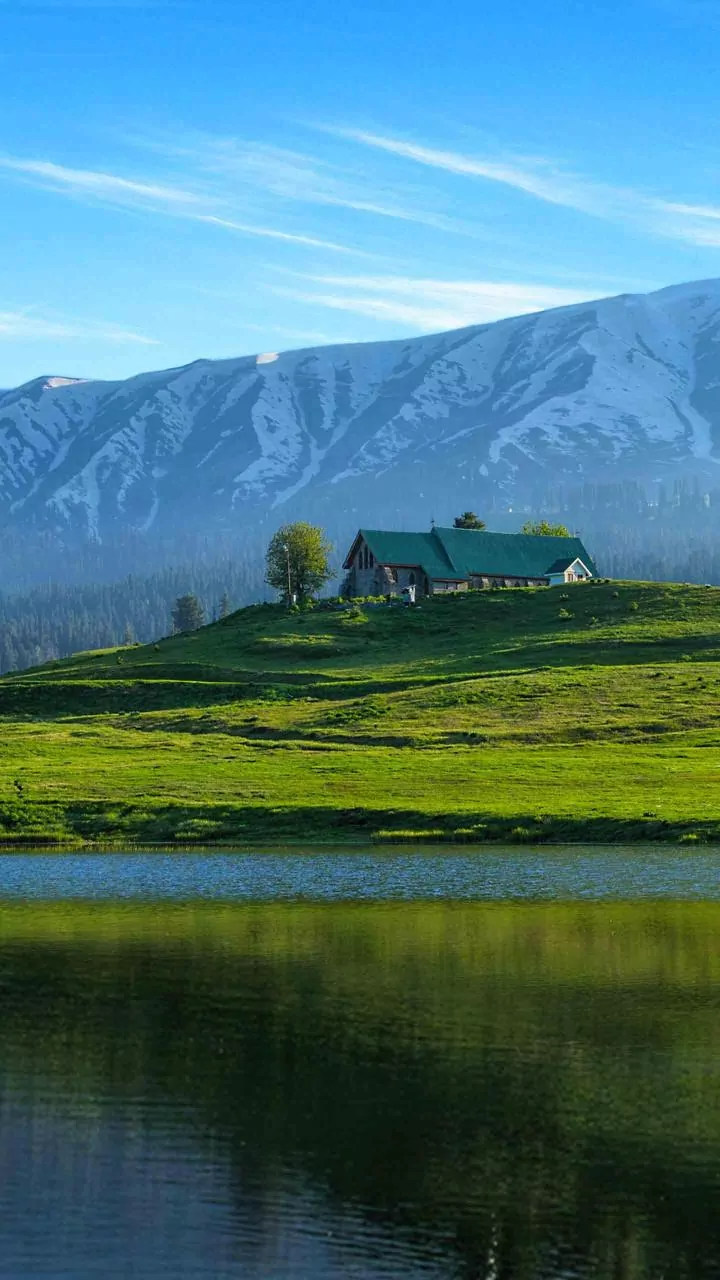
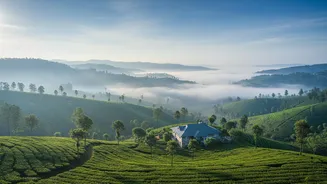
Enter the concept of a circadian reset program. While the headline's term 'hill stations' might evoke images of colonial-era Asian retreats, the principle has been adapted for a modern American audience into high-altitude wellness getaways and secluded mountain retreats. These aren't just trips; they are structured immersions designed to recalibrate your body's internal master clock, known as the circadian rhythm. The goal is to strip away the artificial stimuli of modern life—the late-night blue light, the constant notifications, the processed food—and re-sync your body with the most powerful, natural timekeeper we have: the sun.
Your Body's Master Clock
Your circadian rhythm is the 24-hour cycle that governs everything from your sleep-wake patterns to hormone release and digestion. When it's functioning correctly, you feel alert during the day and sleepy at night. Light is the single most important signal for this clock. Morning light exposure tells your brain to suppress the sleep hormone melatonin and release cortisol to get you going. Conversely, darkness signals that it's time to wind down. Modern life wages war on this natural cycle. We live indoors under artificial light, stare at blue-light-emitting screens late into the evening, and often miss out on the crucial signal of bright, natural morning sun. This desynchronization is a key driver of fatigue, poor sleep, and brain fog.
The Mountain Advantage
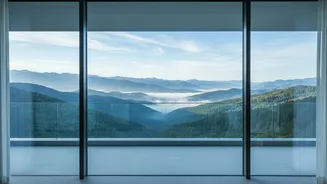
This is why mountain locations are uniquely suited for a true reset. The benefits go far beyond fresh air and pretty views. At higher altitudes, natural morning light is often more intense and unfiltered, providing a powerful wake-up call to your internal clock. Just as important is the profound darkness. Far from city light pollution, the absence of artificial light at night allows your body's melatonin production to flourish, promoting deeper, more restorative sleep. These retreats emphasize this contrast, encouraging guests to get outdoors for morning hikes and disconnect from all screens after sunset. This forced digital detox, combined with the calming effect of being in nature—a concept known as biophilia—helps regulate the nervous system and fosters a state of deep rest that feels impossible to achieve at home.
What a Reset Program Looks Like
A typical program is a holistic experience built around the rhythm of the sun. Days start with early morning activities to soak in the natural light, like yoga, guided hikes, or simply enjoying a coffee on a deck with a view. Meals are often nutrient-dense, locally sourced, and timed to support your body's digestive cycle, with a lighter meal in the evening. The afternoons might involve workshops on stress management, breathwork, or mindfulness. The evenings are deliberately simple and tech-free, encouraging reading, journaling, or quiet conversation around a fire. Some retreats add practices like saunas and cold plunges to help regulate the nervous system. The entire experience is a guided return to a simpler, more natural state of being, allowing the body's innate healing and rest processes to take over.