



Beyond the Over-Touristed Landmark
We’ve all seen them: the perfectly staged photos from destinations buckling under the weight of their own popularity. Overtourism has turned many of the world’s wonders into crowded queues and chaotic backdrops for the same five photos. The thrill of visiting
a famous site is often diminished by the reality of jostling for space, contributing to strains on local infrastructure and communities. This has led to a growing fatigue with ‘Instagram travel’, where the primary goal is to capture an image rather than have an experience. Travellers are beginning to question whether a photo of a packed beach or a 30-minute wait to see a piece of art is the kind of memory they want to make. The old flex of simply being there is losing its lustre.
What Makes a Festival ‘Crowd-Smart’?
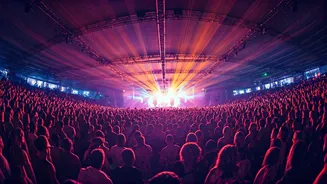
The term ‘crowd-smart’ isn't about avoiding people altogether; it’s about finding better-managed, more intentional gatherings. This can manifest in several ways. Some festivals are smart by design, using technology and thoughtful logistics to manage flow and eliminate bottlenecks, ensuring a smooth experience even for large numbers. The Jaipur Literature Festival, for instance, manages hundreds of thousands of attendees with systems like QR-code entry and facial recognition. Others are smart by virtue of their niche. A boutique festival focused on a specific genre of music, art, or food naturally attracts a self-selecting audience. Finally, some are smart because of their ethos, deliberately capping attendance to preserve the intimacy and sustainability of the experience. The Ziro Festival of Music in Arunachal Pradesh, for example, restricts daily attendance to maintain its unique, eco-friendly vibe.
The Vibe is the Real Destination
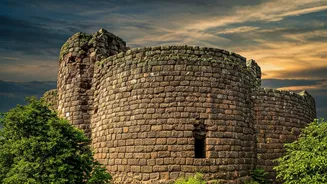
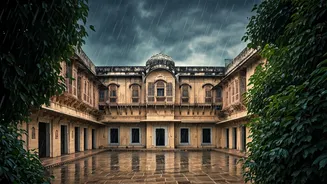
At a crowd-smart festival, the people around you are not an obstacle to be overcome; they are a core part of the attraction. These events cultivate a sense of community where shared passion is the main currency. Take Magnetic Fields in Rajasthan, a festival celebrated as much for its well-behaved, stylish, and engaged audience as for its musical lineup. Reviews often describe the atmosphere as sophisticated and the crowd as a 'delight to party with', where everyone is there for the music and the magic of the desert palace setting. This is the essence of the new flex: being part of a temporary community built on shared interests, whether it's underground electronic music in a 17th-century dungeon or celebrating independent folk artists in a remote valley. The destination is no longer just a place on a map, but the collective energy of the people in it.
Finding Your People, Not Just Your Place
The beauty of this approach to travel is that it's deeply personal. It’s about trading the generic bucket list for a curated calendar of events that align with your actual interests. Instead of asking “Where should I go?” the question becomes “What am I passionate about?” The answer could lead you to a regional food festival celebrating a single ingredient, a rural sports gathering like the Kila Raipur Rural Olympics, a quiet literary retreat, or a vibrant folk art fair. These smaller, more focused events offer an authenticity and a level of connection that mega-events and over-touristed cities often cannot. You're not just a tourist; you're a participant who belongs there. Choosing an event because it genuinely fits your interests, not because it's trending, transforms the entire experience from passive observation to active engagement.