








The Myth of the 'Best Time to Visit'
For decades, travel planning has revolved around a simple premise: pick a destination, then find the ideal season to visit. Guidebooks and travel blogs are filled with comforting advice about 'dry seasons', 'sunny spells', and 'mild winters'. But this
conventional wisdom is failing us. The climate is no longer as predictable as it once was. What was true ten, or even five, years ago may not hold today. Extreme weather events, once considered rare, are becoming the 'new norm', turning dream vacations into stressful ordeals. Recent years have seen unprecedented heatwaves shutting down historic sites in Europe, wildfires forcing evacuations in North America, and unseasonal floods disrupting travel across Asia, making a mockery of traditional 'best time to visit' charts.
A New Climate Reality for Travellers
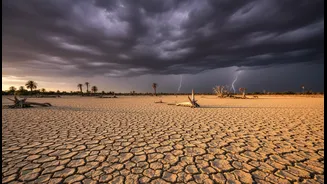
Climate change is not a distant threat; it's a present-day travel disruptor. Rising global temperatures are intensifying weather patterns, leading to more frequent and severe heatwaves, storms, droughts, and floods. For travellers, this means that a summer trip to the Mediterranean might now coincide with life-threatening heatwaves that force attractions like the Acropolis to close. A ski trip could be ruined by a lack of snow due to shorter, milder winters. Coastal destinations, from the Maldives to the Caribbean, face the dual threats of rising sea levels and more powerful hurricanes, which can damage infrastructure and put tourists at risk. These are not isolated incidents but part of a global pattern that is fundamentally altering the travel map.
What 'Realistic Constraints' Mean
Destination guides need to evolve beyond simply listing average monthly temperatures. Including realistic weather constraints means providing travellers with a nuanced and honest picture of potential risks. This includes information on wildfire seasons, which now affect popular tourist spots in Canada, the US, and Southern Europe. It means highlighting the increased likelihood of flash floods during monsoon seasons and providing context on the intensity of hurricane seasons. For example, instead of just saying 'June to November is hurricane season' in the Caribbean, guides should explain that storms are becoming more powerful and their paths less predictable, urging travellers to consider flexible bookings and robust travel insurance. It's about empowering travellers with knowledge of potential disruptions, not just promising perfect conditions.
How to Plan Your Travels in 2026 and Beyond
As travellers, we must also adapt our planning strategies. Relying solely on old guidebooks is no longer enough. The first step is to embrace flexibility. Consider travelling during the 'shoulder seasons'—the months just before or after the peak season—which often offer pleasant weather without the extreme heat or crowds. Secondly, do your own research. Look at recent weather patterns for your destination, not just historical averages. Use modern tools and long-range forecasts to get a sense of potential trends, but be aware that predictability decreases the further out you look. Finally, always purchase comprehensive travel insurance that covers cancellations and disruptions due to weather-related events. A 2026 survey found that nearly 70% of active travellers expect to alter their plans due to weather in the future, making refundable bookings and insurance more critical than ever.