





More Than Just a Caffeine Fix
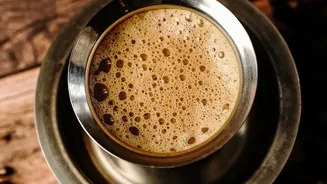
For generations, coffee in India was a straightforward affair: a strong, milky filter kaapi in the South or a quick, convenient mug of instant coffee everywhere else. Today, that landscape is changing dramatically, driven by Millennials and Gen Z. For this
new wave of coffee drinkers, the beverage is an experience, not just a utility. It is a form of self-expression and a social statement. This shift is powered by a desire for authenticity and transparency; they want to know the story behind their cup, from the estate it was grown on to its specific flavour notes. Walk into any urban café, and you will hear passionate debates about the merits of an AeroPress versus a pour-over, or the fruity notes of a bean from Araku Valley. This isn't just about taste; it’s about community, curiosity, and a lifestyle that is proudly shared on social media, where the aesthetics of latte art and minimalist brewing gear have become powerful status symbols.
The Rise of South Indian Roasts
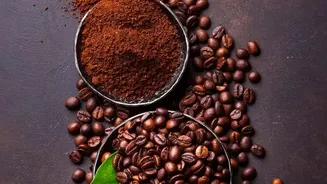
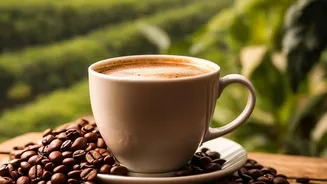
At the heart of this movement is a rediscovery of India's own coffee-growing heritage. While Indian beans have long been exported, a growing sense of local pride has turned the spotlight inward. Young consumers are increasingly seeking out single-origin beans from the lush estates of South India. Regions like Chikmagalur and Kodagu (Coorg) in Karnataka, the Nilgiris in Tamil Nadu, and the once-hidden gem of Araku Valley in Andhra Pradesh are becoming household names among coffee aficionados. Roasters like Blue Tokai, Third Wave Coffee, and Araku Coffee have built their brands on showcasing the unique terroir of these regions, offering beans with distinct flavour profiles that range from citrusy and floral to nutty and chocolatey. By choosing these local, artisanal roasts over mass-market international brands, consumers are not only getting a higher quality product but also supporting sustainable farming practices and local economies.
Your Home Brewing Starter Guide
The most exciting part of this trend is the boom in home brewing. Unlike previous generations content with pre-packaged options, today’s coffee lovers are investing in equipment to become their own baristas. The term 'hack' in this new coffee culture isn't about cutting corners; it's about mastering the craft. Here are a few popular methods to get you started: The French Press: This is perhaps the easiest entry point. You simply steep coarse coffee grounds in hot water for about four minutes before pressing down a plunger to separate the grounds. It produces a full-bodied, robust cup. The Pour-Over: This method, using devices like a V60 or Chemex, gives you maximum control. You pour hot water over a bed of medium-ground coffee in a slow, circular motion. It highlights the nuanced, delicate flavours of single-origin beans, resulting in a clean, bright cup. The AeroPress: A favourite among travellers and techies, the AeroPress uses air pressure to brew a smooth, espresso-style concentrate in about a minute. It's versatile, easy to clean, and very forgiving for beginners.
Simple Tips for a Perfect Cup
Regardless of your chosen method, a few universal principles can elevate your coffee game from good to great. First, always use freshly roasted beans and grind them just before you brew. Coffee's flavour degrades quickly after grinding. Second, invest in a burr grinder. Unlike blade grinders that chop beans unevenly, burr grinders provide a consistent grind size, which is crucial for balanced extraction. Third, pay attention to your water. Use filtered water and heat it to the right temperature, ideally between 90–96°C. Water that is too hot will scorch the coffee, making it bitter. Finally, measure your coffee and water. A kitchen scale is your best friend here. A good starting point for most methods is a ratio of 1:15, meaning 1 gram of coffee for every 15 grams of water. Adjust from there to suit your taste.