





The Rise of the 'Pet-Parent'
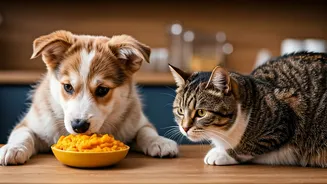
Walk down any metro city street, and you'll see the evidence: dogs in stylish harnesses, cats peering from designer carriers, and entire aisles in supermarkets dedicated to gourmet pet supplies. The modern Indian pet owner is informed, engaged, and deeply
invested in their companion's well-being. This has led to a growing scepticism towards mass-produced commercial pet foods, which are often criticised for containing fillers, artificial preservatives, and by-products. In their search for 'cleaner' alternatives, many are turning their kitchens into mini labs, exploring 'holistic' ingredients that promise better health, from shinier coats to improved digestion. This movement isn't just about food; it's a statement about valuing our pets' health as much as our own.
Pumpkin: More Than a Festive Decoration
Pumpkin, or kaddu, is at the forefront of this trend, and for good reason. It’s a nutritional powerhouse for both dogs and cats when prepared correctly. Its most celebrated benefit is its high fibre content. A spoonful of plain, cooked pumpkin can work wonders for digestive regularity, helping with both constipation and diarrhoea by absorbing excess water. It’s also rich in Vitamin A, which supports vision and immune health, and antioxidants that help fight cellular damage. The key, however, is in the preparation. Never use sugary, spiced pumpkin pie filling or festive sweets. You must use 100% plain, cooked pumpkin with no salt, sugar, or spices. For a medium-sized dog, one to two tablespoons per day is a good starting point, but always introduce it slowly.
Why Oats Are on the Menu
Oats have also earned their place in the holistic pet pantry. They are an excellent source of soluble fibre, which can help regulate blood glucose levels and keep your pet feeling full longer. For pets with wheat allergies or sensitivities, oats serve as a fantastic alternative carbohydrate. They are also rich in linoleic acid, an omega-6 fatty acid that promotes healthy skin and a shiny coat. Like pumpkin, preparation is everything. Oats must be thoroughly cooked and served plain. Never feed your pet raw oats, as they are difficult to digest. Instant oatmeal packets are also a no-go, as they are often loaded with sugar and artificial flavours. Plain, slow-cooked oatmeal, cooled to room temperature, is the only safe option.
A Word of Veterinary Caution
While the benefits are appealing, it’s crucial to approach this trend with a dose of reality. The term 'holistic' is not legally regulated in the pet food industry, and a diet consisting only of pumpkin and oats is dangerously unbalanced. Dogs and cats are not herbivores; they require a precise balance of protein, fats, vitamins, and minerals that these ingredients alone cannot provide. Veterinarians stress that pumpkin and oats should be considered supplements or small additions to a complete and balanced diet, not meal replacements. Abruptly switching your pet’s food or introducing too much fibre too quickly can lead to severe gastrointestinal upset. The goal is to enhance their diet, not overhaul it without professional guidance.
How to Safely Introduce These Foods
If you decide to incorporate these ingredients, follow these simple rules. First, consult your veterinarian. They can advise on appropriate portion sizes based on your pet's age, weight, and overall health. Second, start small. Introduce just a teaspoon of cooked pumpkin or oatmeal mixed into their regular food and monitor for any signs of digestive upset, like gas or loose stools. Third, always cook them. Plain and simple is the only way—no salt, no sugar, no onions, no garlic, and no other seasonings. Finally, watch the source. Use fresh, plain pumpkin or plain canned pumpkin (not pie filling) and whole-grain rolled oats. Being a 'conscious' pet owner means being a careful and well-informed one.