

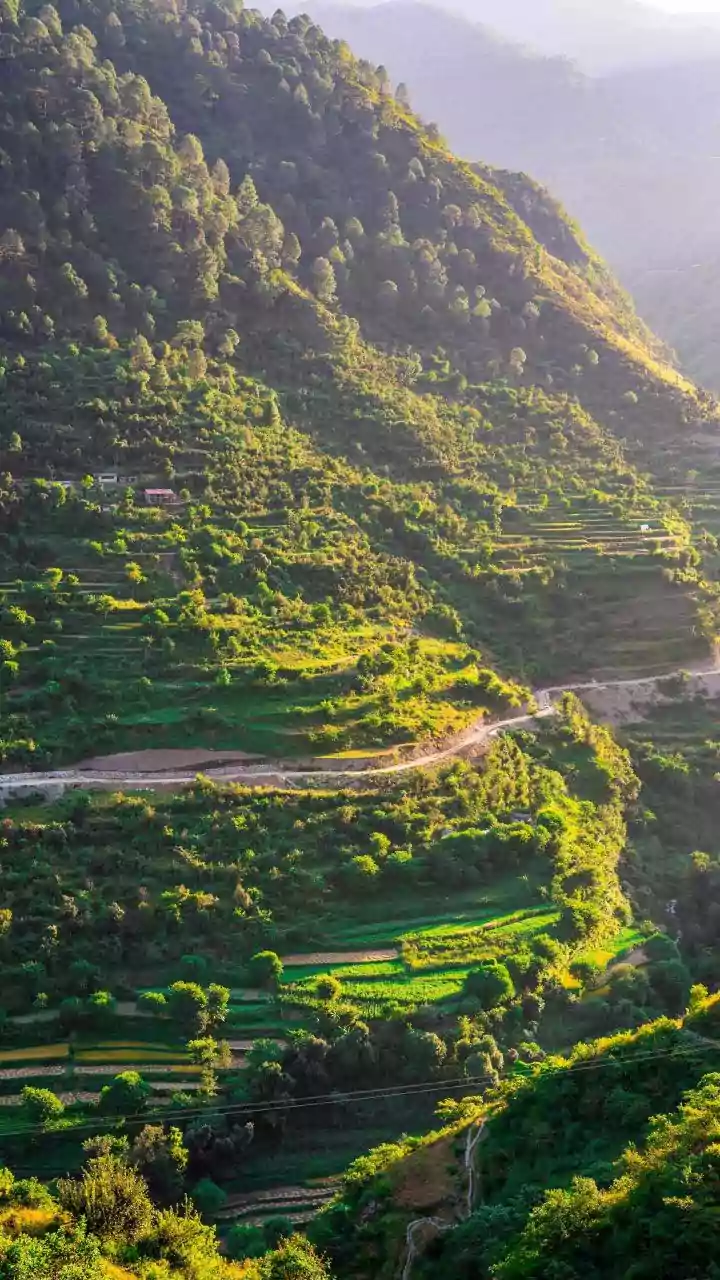






The Greening Paradox
For years, satellite data has shown a significant increase in leaf area across the globe, a phenomenon dubbed 'global greening'. India, along with China, is a star performer, contributing a surprisingly large share of this trend primarily through intensive
agriculture and afforestation programs. The driving force behind much of this greening is the carbon fertilisation effect: rising levels of atmospheric carbon dioxide (CO2) allow plants to photosynthesise more efficiently, leading to faster growth and more biomass. At first glance, this seemed like a rare silver lining to climate change, suggesting that our ecosystems were helping to absorb the very pollution causing the problem. For a nation focused on food security and ambitious greening targets, this appeared to be a welcome, if unintended, benefit.
The Hidden Nutritional Cost
However, recent scientific findings are forcing a major reassessment of this greening. The central issue is that more plant growth doesn't necessarily mean better plants. When plants are supercharged with CO2, they grow faster, but they don't absorb proportional amounts of other essential nutrients from the soil. The result is what some scientists have called a 'junk food effect': plants produce more carbohydrates like sugars and starch, but the concentration of vital nutrients such as protein, iron, and zinc declines. For India, the implications are profound. Staple crops like rice and wheat, which form the backbone of the nation's diet, are particularly vulnerable. A decrease in their nutritional content could worsen 'hidden hunger', where people consume enough calories but suffer from micronutrient deficiencies, a persistent public health challenge.
Water Worries and Ecosystem Health
The complications don't end with nutrition. The effect of greening on water resources is also more complex than initially thought. Early theories suggested that with more CO2, plants would use water more efficiently because the pores on their leaves (stomata) wouldn't need to open as wide or as often to absorb CO2. This hinted at potential water savings. However, more recent studies and observations show a different reality. The sheer increase in total leaf area can lead to higher overall water consumption by ecosystems through transpiration, potentially offsetting any efficiency gains. In a water-stressed country like India, where much of the greening is driven by groundwater-irrigated agriculture, this could place even greater strain on already depleting aquifers. What looks like a lush, green landscape on a map could be masking a precarious ecological imbalance.
Rethinking India's Climate Models
These new insights demand a critical update to how India models and interprets climate change. A recent study from the Indian Institute of Tropical Meteorology (IITM) projects that India will continue to get greener, with gross primary productivity—the rate at which plants capture carbon—expected to nearly double by 2100 under some scenarios. But as researchers caution, this metric alone is a dangerously incomplete measure of ecosystem health. More plant growth does not automatically translate into long-term carbon storage, ecosystem resilience, or improved food security. Climate models must evolve to incorporate these complex feedback loops: the decline in plant nutritional quality, the uncertain impacts on the water cycle, and the limits of nutrient availability in the soil. Simply aiming for 'more green' is no longer a sufficient strategy. The focus must shift to the quality and health of that green.