




A New Era for Overnight Journeys
For decades, overnight train travel in India has been the domain of Rajdhani, Duronto, and other express services. While reliable, these trains represent a technology that is gradually being outpaced by modern advancements. Indian Railways is now introducing
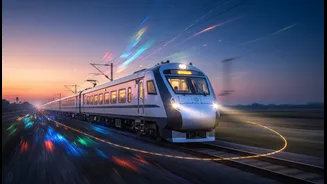
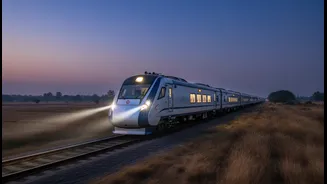
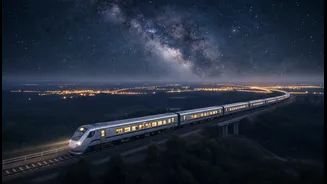
the Vande Bharat sleeper, a next-generation trainset designed to offer a superior experience. These self-propelled trains, which don't require a separate locomotive, are built for faster acceleration and deceleration, cutting down journey times significantly. The first services have already begun, with a Howrah-Kamakhya route launched in January 2026 and a Varanasi-Chheharta (Amritsar) service flagged off in July 2026, connecting major cultural and spiritual hubs. While a wider rollout of 120 trains faces some delays with prototypes now expected in late 2026, the initial routes signal a clear direction for the future of Indian travel.
Redefining Onboard Comfort and Design
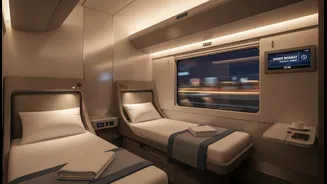
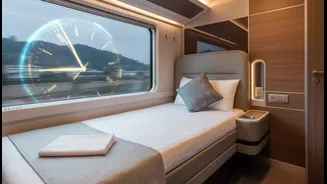
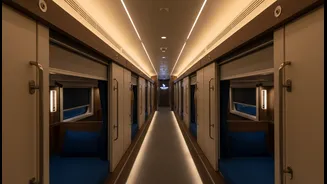
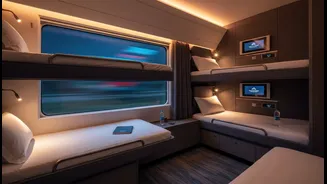
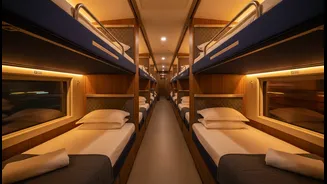
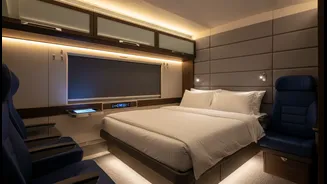
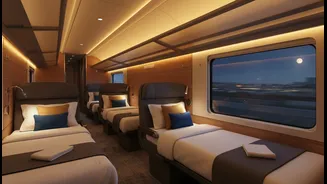
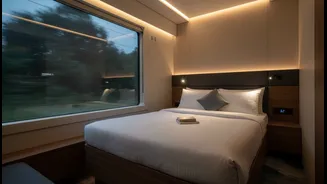
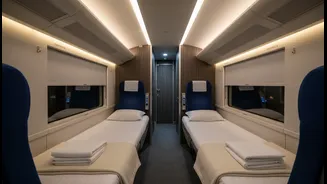
The primary focus of the Vande Bharat sleeper is passenger experience. The interiors are a significant upgrade, designed to feel less like a train and more like a 'hotel on wheels,' as some early travellers have described it. Berths feature improved cushioning for a more comfortable sleep. Access to upper and middle berths has been made easier with better-designed ladders. The coaches have fully sealed gangways, creating a dust-free and quieter environment, a noticeable improvement over older trains. In the First AC coaches, traditional curtains are replaced by an intelligent smart-glass system that turns from transparent to opaque at the touch of a button, offering instant privacy. The toilets are also modern bio-vacuum systems, similar to those in airplanes, ensuring higher standards of hygiene.
The Promise of Speed and Punctuality
True to the Vande Bharat name, these sleeper trains are fast. With a maximum operational speed of 160 kmph, they are designed to significantly reduce travel time on long-distance routes. For example, the inaugural Howrah-Kamakhya service cuts the journey by approximately three hours compared to the fastest existing trains on that corridor. This speed is achieved through distributed power technology, where motors are fitted in every second coach, allowing the train to reach 100 km/h in just 52 seconds. For tourists, this is a massive advantage. A journey that once took the better part of a day and night can be shortened, allowing for more time at the destination. This makes multi-city itineraries less rushed and more enjoyable, presenting a compelling alternative to short-haul flights when factoring in airport check-in and travel times.
Safety and Modern Amenities
Beyond speed and aesthetics, the Vande Bharat sleepers incorporate advanced safety features. They are equipped with the indigenous Kavach Automatic Train Protection System, which is designed to prevent collisions. The coaches are built with durable austenitic steel for better structural integrity, and advanced fire safety mechanisms and CCTV surveillance are standard. For the modern tourist, staying connected is crucial. These trains offer amenities like ample charging points for electronic devices. The introduction of these features aims to provide a seamless, safe, and stress-free journey, allowing travellers to relax and enjoy the ride. The fare is also positioned competitively, with reports suggesting a premium of only 10-15% over comparable Rajdhani tickets, making it an affordable luxury.
Why This Matters for India's Tourism
The Vande Bharat sleeper isn't just a new train; it's a new way to experience India. For international and domestic tourists alike, it addresses many of the traditional pain points of long-distance rail travel. The enhanced comfort makes overnight journeys a viable and even desirable option, rather than a necessary inconvenience. Cleanliness, safety, and punctuality are key factors for tourists, and these trains are designed to deliver on all three fronts. By connecting major tourist, business, and pilgrimage centres like Varanasi, Amritsar, and routes to the Northeast, these trains will make exploring the vastness of India more accessible and appealing. As the network expands to include trunk routes like Delhi-Mumbai and Mumbai-Chennai, it will create a reliable, high-quality grid of connectivity that could boost regional tourism and encourage more elaborate, cross-country travel itineraries.