







The Living World Under the Ground
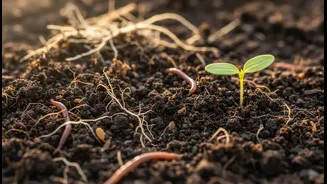
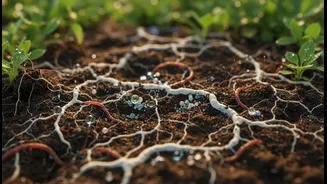
When we think of soil, we often picture inert dirt. But the reality is far more dynamic. A single teaspoon of healthy topsoil can contain billions of microorganisms, including bacteria, fungi, and other life forms. This vast community of micro-fauna and macro-fauna,
from nematodes to earthworms, makes up what scientists call soil biodiversity. This isn't just a random collection of creatures; it's a complex, functioning ecosystem that provides essential services. These organisms are the tireless engines of the underground world, responsible for decomposing organic matter, cycling nutrients, and creating a healthy structure that supports plant life. Think of it less as ground and more as a crowded, productive city working 24/7 to sustain life above it.
Why a Lively Soil Matters for Our Food
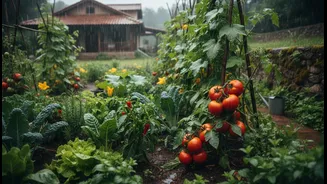
The health of this underground ecosystem is directly linked to the health and productivity of our farms. A biodiverse soil naturally suppresses plant diseases, reducing the need for chemical interventions. Certain microbes form symbiotic relationships with plant roots, helping them access crucial nutrients like phosphorus and nitrogen that would otherwise be unavailable. This process not only boosts crop growth but can also lower costs for farmers by reducing their dependence on synthetic fertilisers. Furthermore, healthy soil with abundant life has a better structure, allowing it to retain more water—a critical advantage in a country facing unpredictable monsoons. Ultimately, greater soil biodiversity leads to more resilient crops, enhances food security, and can even improve the nutritional quality of the food we eat.
What New Studies Are Revealing
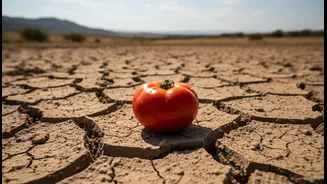
Recent research continues to uncover the specific ways soil life supports agriculture. A study published in early 2026 highlighted how diverse soil microbe communities can naturally suppress major plant pathogens, offering a biological alternative to chemical pesticides. Another recent study from July 2026 demonstrated that biochar, a type of charcoal made from agricultural waste, can be designed to selectively target harmful bacteria like Ralstonia solanacearum—a cause of bacterial wilt in crops like tomatoes—while encouraging the growth of a richer, more stable microbial community. Scientists are also mapping the distribution of these organisms, finding that conventional farming practices with high chemical use consistently support lower faunal diversity. These findings reinforce the idea that by working with nature, instead of against it, we can develop more sustainable and productive farming systems.
The Silent Threat to India's Agricultural Future
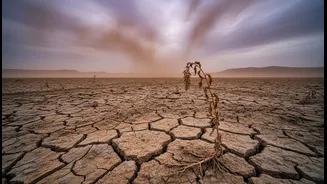
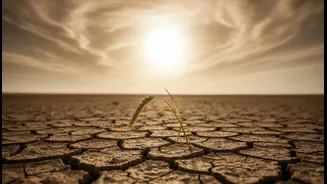
Unfortunately, modern agricultural practices have put this vital resource at risk. Decades of intensive farming, characterised by monoculture (growing the same crop year after year), have depleted soil nutrients and reduced the variety of life the soil can support. The overuse of chemical fertilisers and pesticides has harmed beneficial soil organisms, upsetting the delicate ecological balance. The Indian Council of Agricultural Research (ICAR) estimates that around 37% of the country's land is affected by various forms of degradation. This isn't just an environmental issue; it directly impacts farmers' livelihoods through rising input costs and diminishing returns, and threatens India's long-term food security.
The Path Back to Healthy Ground
The good news is that soil health can be restored. The research points towards a clear set of solutions rooted in agroecology—a holistic approach to farming. Practices like no-till or minimum-tillage farming preserve the soil's structure and the life within it. Planting cover crops like beans and rotating different crops helps to replenish soil nutrients naturally and breaks pest cycles. Incorporating organic matter through compost and manure feeds the soil microbiome and improves its fertility. These methods not only enhance biodiversity but also help sequester carbon in the soil, contributing to climate change mitigation. Shifting subsidies from chemical inputs to supporting these sustainable practices is being called for by experts as a crucial policy step.