



The New Dairy Aisle
For generations, dairy in India has been a cornerstone of the diet, synonymous with staples like milk, ghee, paneer, and curd. These products have always been appreciated for their natural protein content. Today, however, that appreciation is evolving
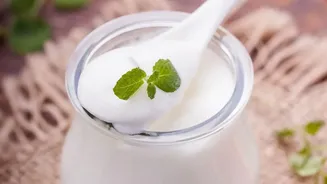
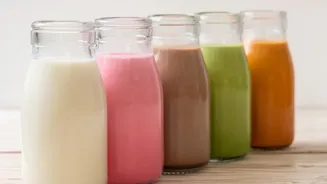
into an explicit demand. A new wave of 'value-added' dairy products is crowding the shelves, from Greek yogurts and protein-fortified dahi to high-protein paneer and even ready-to-drink milkshakes. This isn't about replacing the classics, but enhancing them. Companies are embedding additional protein into the foods Indians already know and love, transforming everyday items into functional foods designed for a more health-conscious consumer. The market is shifting from simply selling milk to extracting more nutritional value from every litre.
The Great Indian Protein Awakening
So, what's driving this change? The answer lies in a broader cultural shift. An increasing number of Indians are moving from carb-heavy diets to more protein-conscious eating habits. This 'protein awakening' is fuelled by a combination of rising disposable incomes, increased urbanisation, a growing fitness culture, and a post-pandemic focus on health and immunity. Consumers are no longer just eating for taste or tradition; they are eating for wellness. Yet, this newfound awareness comes with a challenge. While studies show that consumers are actively tracking their intake, many still feel uncertain about protein sources and their exact needs, creating what some experts call a 'protein paradox'. This gap between awareness and deep understanding is precisely what dairy companies are now trying to bridge.
Brands Answer the Call
India's dairy giants and agile startups have been quick to respond. Amul, a household name, is on a mission to make protein affordable and accessible, launching an extensive range that includes high-protein dahi, paneer, lassi, and even the world's first high-protein kulfi. These products are being promoted heavily, including through high-profile IPL sponsorships, signalling a clear intent to capture the mass market. Other legacy players like Heritage Foods and Mother Dairy are also innovating, with Heritage launching its 'Nourish' high-protein curd in August 2026 and Mother Dairy reporting significant growth in its value-added categories. Meanwhile, newer companies are carving out their own niches. Provilac, for example, introduced India's first fresh high-protein milk made using ultra-filtration technology, catering to consumers who associate freshness with quality.
It’s Not Just for Gym-Goers Anymore
Perhaps the biggest change is who these products are for. Protein is decisively moving out of the gym bag and into the family grocery cart. The strategy is to integrate higher protein into every meal occasion, from breakfast curd to an evening ice cream treat. Brands are focusing on taste and texture to ensure these fortified products are just as enjoyable as their conventional counterparts, a key challenge in developing functional foods. By fortifying familiar items like paneer that can be used in daily cooking or a lassi that can be consumed on the go, companies are making it easier for working professionals, families, and students—not just athletes—to boost their protein intake without drastically changing their eating habits.
Challenges and the Road Ahead
Despite the rapid growth, the journey is not without its hurdles. Price sensitivity remains a major factor in the Indian market, and making these value-added products affordable for a wider audience is crucial. Ensuring that awareness and education keep pace with product launches is another challenge, especially in non-metro areas. The Indian dairy protein market was valued at over USD 660 million in 2025 and is projected to grow steadily, demonstrating significant commercial potential. The long-term success of this category will depend on a company's ability to balance nutrition, taste, and cost, while effectively communicating the benefits to an increasingly curious but sometimes confused consumer base.