




Why Timings Can Be Deceiving
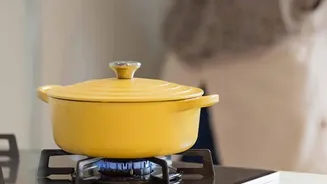
A recipe that promises a 20-minute cook time doesn't account for the unique personality of your kitchen appliances. Gas, electric, and induction stoves all deliver heat differently, which significantly impacts how quickly your food cooks. Gas stoves offer
instant heat and precise flame control, allowing for rapid temperature changes. Electric cooktops, both coil and smooth-top, heat up and cool down more gradually, meaning they retain heat longer even after you turn down the dial. Induction is the speed champion, using magnetic fields to heat the pan directly, making it incredibly fast and efficient but requiring specific magnetic cookware. These differences in heat transfer, responsiveness, and energy efficiency are why a five-minute sear on a gas range might take seven minutes on an electric one. Relying solely on time is a recipe for inconsistency.
The Universal Language of Meat and Poultry
For meats, visual and textural cues are far more reliable than a timer. When cooking chicken, look for the juices to run clear, not pink. The meat itself should be opaque and white, with a firm texture that pulls apart easily. A rubbery or jiggly feel means it needs more time. For steaks, colour is key to doneness. A rare steak will have a deep red centre, medium-rare a warm red one, and a well-done steak will be uniformly brown or grey throughout. You can also use the 'finger test': compare the firmness of the cooking steak to the flesh at the base of your thumb. A relaxed hand mimics a rare steak, while tensing your thumb toward your pinky feels like a well-done one. With fish, look for the flesh to turn from translucent to opaque and flake easily with a fork.
What to Look for in Baked Goods
Baking is a science, but visual cues tell you when the chemistry is complete. For cakes and cupcakes, look for a golden-brown colour and edges that have started to pull away from the sides of the pan. A classic test is to insert a toothpick into the centre; it should come out clean or with a few dry crumbs attached. Another reliable method is the spring-back test: gently press on the centre of the cake. If it bounces back immediately, it's ready. For breads, a deep, golden-brown crust indicates good flavour development. Many bakers aim for what's called 'bien cuit,' a French term for 'well done,' which is a very dark brown colour just short of burnt. For cookies, the secret is to pull them when the edges are set and golden but the centre still looks slightly underdone; they will finish baking from residual heat on the tray.
Perfectly Cooked Vegetables, Every Time
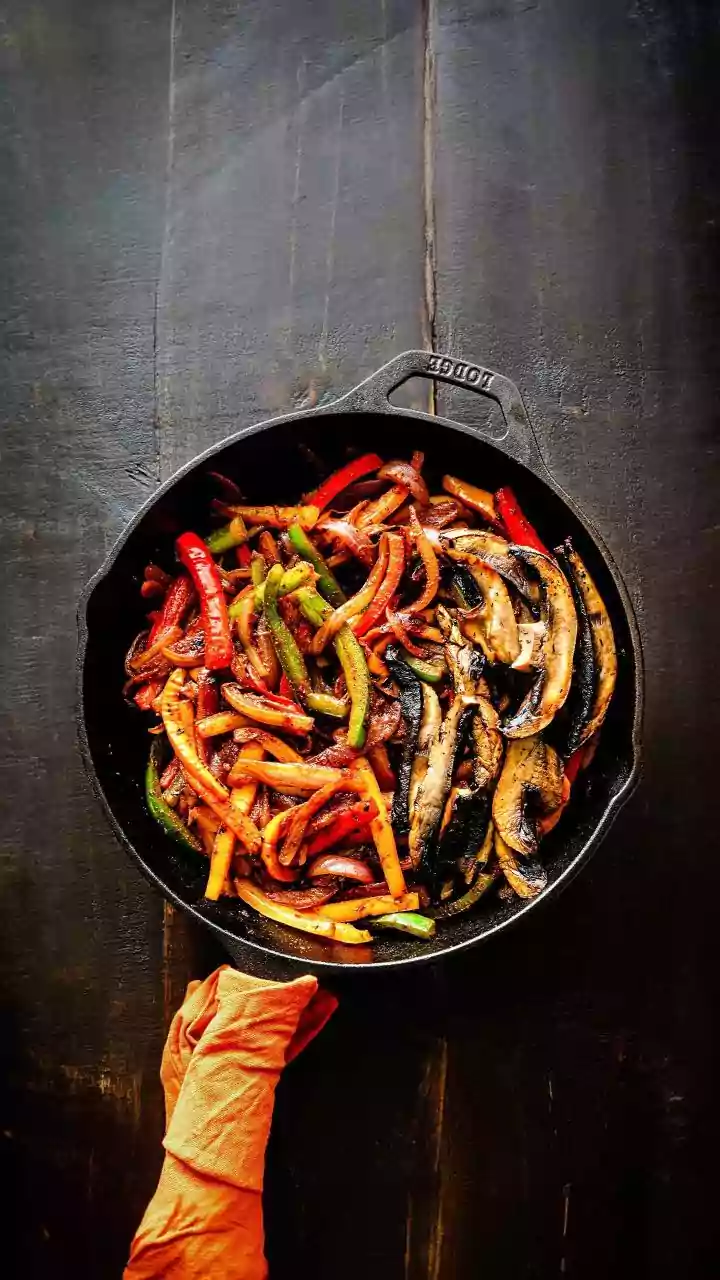
The goal for most vegetables is a 'crisp-tender' texture, where they have softened but still retain a slight bite. For roasted vegetables like potatoes, cauliflower, and carrots, look for caramelization—those delicious brown, crispy spots where the natural sugars have started to cook. You can test for doneness by piercing the thickest part with a fork or knife; it should go in with little resistance. When sautéing or stir-frying, green vegetables like broccoli and green beans will turn a vibrant, bright green when they are perfectly cooked. If the colour starts to dull or turn olive, they're likely overcooked. Most vegetables lose flavour and nutrients the longer they are cooked, so it's often best to cook them briefly.
The Ultimate Confirmation
While visual cues make you a more intuitive and adaptable cook, they aren't foolproof for every situation. For thicker cuts of meat, whole poultry, and certain baked goods, looks can be deceiving. About a quarter of hamburgers, for example, can appear brown on the outside before reaching a safe internal temperature. This is where a digital food thermometer becomes your best friend. It is the only way to guarantee that foods like chicken have reached a safe internal temperature of 165°F. Similarly, most cakes are perfectly baked between 200–210°F. Using visual cues to get you 90% of the way there and a thermometer for final confirmation is the ultimate strategy for perfect results every time.