




They Are Water-Wise Warriors
India's climate is a story of extremes, from scorching summers to torrential monsoons. Native plants have spent thousands of years adapting to this very cycle. Unlike many exotic ornamentals that require constant watering to survive the May heat, indigenous
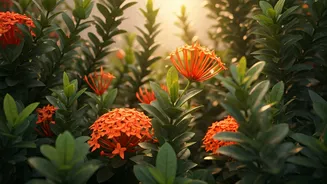
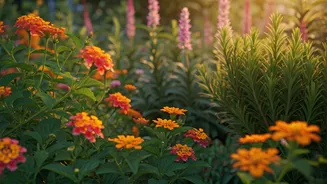
species like the Indian Coral Tree (Parijat) or the hardy Lantana have deep root systems and other adaptations that make them incredibly drought-tolerant. This means less work for you and a significantly lower water bill. By choosing natives, you are not just planting a garden; you are working with nature, not against it, conserving our most precious resource with beautiful, effortless results.
They Create a Backyard Sanctuary
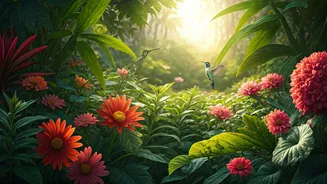
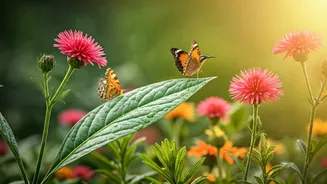
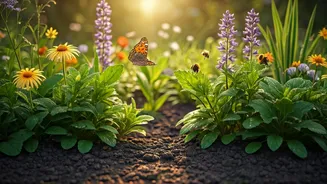
Ever wonder why you don't see as many butterflies or hear as many birds as you used to? A garden full of non-native plants can be like a food desert for local wildlife. Native flora provides the specific nectar, pollen, seeds, and leaves that our local insects and birds depend on for survival. For example, planting a Curry Leaf (Kadi Patta) tree doesn't just benefit your kitchen; it's a host plant for the Common Mormon butterfly. Flowers like Indian Marigolds (Genda) and Jasmine (Mogra) attract native bees and pollinators, which are essential for a healthy ecosystem. Your garden transforms from mere decoration into a vibrant, living hub that supports local biodiversity.
They Thrive on 'Less is More' Care
The dream of a beautiful garden often clashes with the reality of busy schedules. Native plants offer the perfect solution. Because they are perfectly suited to the local soil, sunlight, and climate, they require far less human intervention. Forget the complex fertilisers and soil amendments that exotic plants often demand. Native species are already adapted to the nutrient profile of local soil. This means less time spent on maintenance and more time enjoying your green space. They are the ultimate low-maintenance choice for the modern Indian home, whether you have a sprawling lawn or a compact urban balcony.
They Are Naturally Pest-Resistant
Many common garden pests are foreign invaders, and they often target non-native plants that lack natural defences. In contrast, our native plants have co-evolved with local insects and pathogens, developing robust defence mechanisms over millennia. A Neem tree, for example, is famous for its natural pesticidal properties, protecting itself and even nearby plants. While no plant is entirely immune to problems, natives are significantly less susceptible to local pests and diseases. This reduces or even eliminates the need for chemical pesticides, making your garden safer for children, pets, and beneficial insects.
They Connect Us to Our Roots
There is a deep cultural and historical resonance in planting what belongs to the land. Plants like Tulsi are not just vegetation; they are an integral part of our traditions and daily rituals. The fragrant flowers of the Champa or the vibrant blooms of the Hibiscus are woven into the fabric of Indian art, poetry, and festivals. Choosing native plants is an act of cultural preservation. It's a way to reconnect with the landscape of our heritage and create a garden that feels authentically Indian, reflecting the natural beauty and timeless wisdom of our own environment. It turns your garden from a collection of plants into a meaningful story about place and identity.