

The Real Cost of 'New'
Before you buy that new set of cushion covers, consider the hidden environmental price tag. The global textile industry is a major consumer of water and producer of carbon emissions. In India alone, millions of tons of textile waste are generated annually,
with a significant portion ending up in already overflowing landfills. This waste leaches chemicals into the soil and water, creating long-term environmental hazards. The fast fashion cycle extends to home decor, encouraging a culture of disposability. Starting your living room revamp with upcycling directly counters this trend. It's a conscious choice to reduce waste, conserve resources, and lessen your carbon footprint before a single new item is purchased.
Weaving Memories into Your Decor
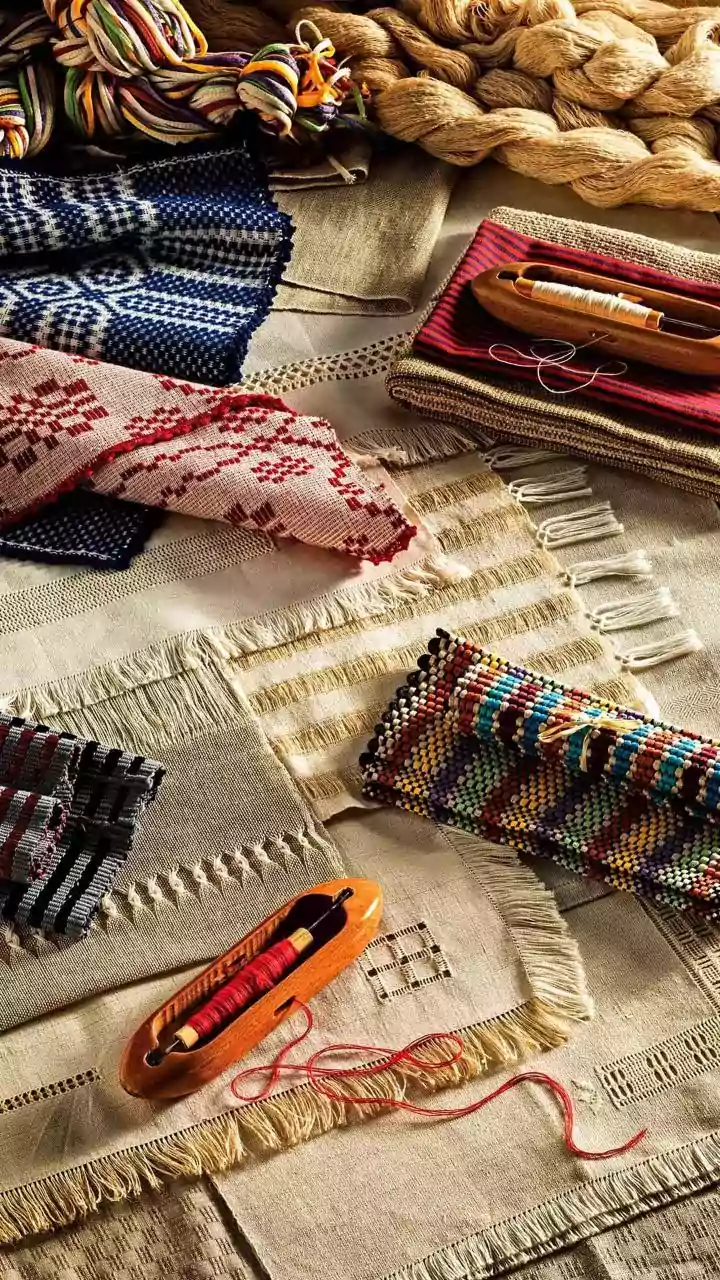
Upcycling is about more than just being eco-friendly; it's about embedding your home with personal history. That silk saree that belonged to your grandmother or the soft cotton kurta from your college days holds memories that mass-produced items never can. Instead of letting these pieces languish in storage, you can give them a new life and a place of honour in your living room. Transforming a beloved fabric into a cushion cover, a wall hanging, or a table runner keeps its story alive. This approach creates a space that is not only stylish but also deeply personal and rich with narrative, turning your decor into a collection of meaningful heirlooms.
From Closet to Cushion: Getting Started
The beauty of upcycling fabric is its accessibility. You don’t need to be a professional seamstress to start. Many simple projects require minimal or even no sewing. Old dupattas and sarees with beautiful borders can be easily turned into festive 'torans' or elegant table runners. Colourful t-shirts or kurtas can be cut into strips and braided to make a vibrant rag rug. Even small scraps can be used to create patchwork cushion covers or framed as unique pieces of wall art. Consider no-sew options like using fabric glue or tape for simple projects like covering flower pots or making decorative wreaths. The key is to start small and choose fabrics that are in good condition.
Cultivating a One-of-a-Kind Style
In a world of mass-market trends, upcycling offers a path to truly unique interior design. The patterns, textures, and colours of your old fabrics result in decor that is impossible to replicate. Mixing different fabrics, like a piece of an old denim jean with a floral cotton print, can create a modern, eclectic look that is entirely your own. This process encourages creativity and helps you develop a personal style that isn't dictated by catalogues. Your living room becomes a reflection of your resourcefulness and your individual story, a space that feels curated and authentic rather than simply decorated.
A Simple Guide to Begin
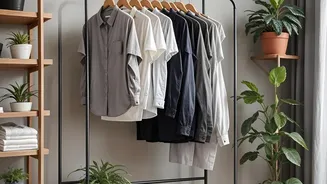
Ready to start? First, sort through your closets and identify fabrics you're willing to part with. Look at everything from old bedsheets and curtains to sarees, dupattas, and shirts. Wash and iron the fabrics you select to prepare them for their new purpose. Next, gather some basic tools: a good pair of scissors, measuring tape, and either a needle and thread or fabric glue for no-sew alternatives. Look for inspiration online for beginner-friendly projects. You could start by making simple cushion covers, creating a patchwork table runner, or framing a particularly beautiful piece of fabric as wall art. The journey begins with a single snip.