




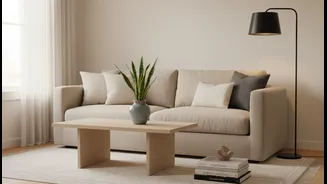


The Underrated Power of Light
We've all done it: spent an afternoon searching for the perfect small accessory to 'complete' a room. Yet, professional designers know that lighting is the invisible architecture of a space, holding the power to shape how we perceive everything within
it. It influences our mood, energy, and even our perception of a room's size. Poor lighting can make a beautifully furnished room feel flat and uninviting, while a thoughtful lighting plan can make even a simple space feel curated and alive. Bright, cool light can make us feel more alert and productive, whereas warm, dim light fosters relaxation and intimacy. Before you buy another throw pillow, consider this: manipulating light is the most effective way to fundamentally change how your home feels and functions.
Beyond the Single Bulb: The Three Layers of Light
The secret to great lighting isn't a single, spectacular fixture, but a combination of multiple light sources working together. This strategy, known as layered lighting, ensures a space is both beautiful and functional. Interior designers think in three main categories: ambient, task, and accent lighting. Getting the balance right between these three types allows you to create a dynamic, adaptable, and comfortable atmosphere that a lone ceiling light can never achieve. Relying on just one overhead light often creates harsh shadows and a one-dimensional feel, leaving corners dark and making a room feel smaller.
Ambient Light: The Foundational Glow
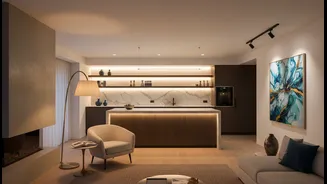
Ambient light is the general, overall illumination of a room—your starting point. It provides a comfortable level of brightness, allowing you to navigate the space safely. This layer is typically provided by ceiling fixtures like chandeliers or flush mounts, recessed lighting, or even large floor lamps that bounce light off the ceiling. The goal of ambient lighting is to create a soft, even glow that fills the room without being harsh. Installing dimmers on your ambient sources is a game-changer, giving you the flexibility to transition a room's feel from bright and energetic to soft and romantic with a simple adjustment.
Task Lighting: The Functional Workhorse
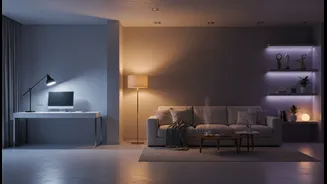
Task lighting is exactly what it sounds like: targeted light for specific activities. This is the light that prevents eye strain when you're reading, helps you see while chopping vegetables, or provides clear illumination for applying makeup. Examples include under-cabinet lights in the kitchen, a desk lamp in the office, a reading lamp by a sofa, or vanity lights in the bathroom. Good task lighting should be brighter than the surrounding ambient light to create contrast and focus, but positioned to avoid creating glare or casting inconvenient shadows. This functional layer is crucial for making your home not just pretty, but truly liveable.
Accent Lighting: The Dramatic Detail
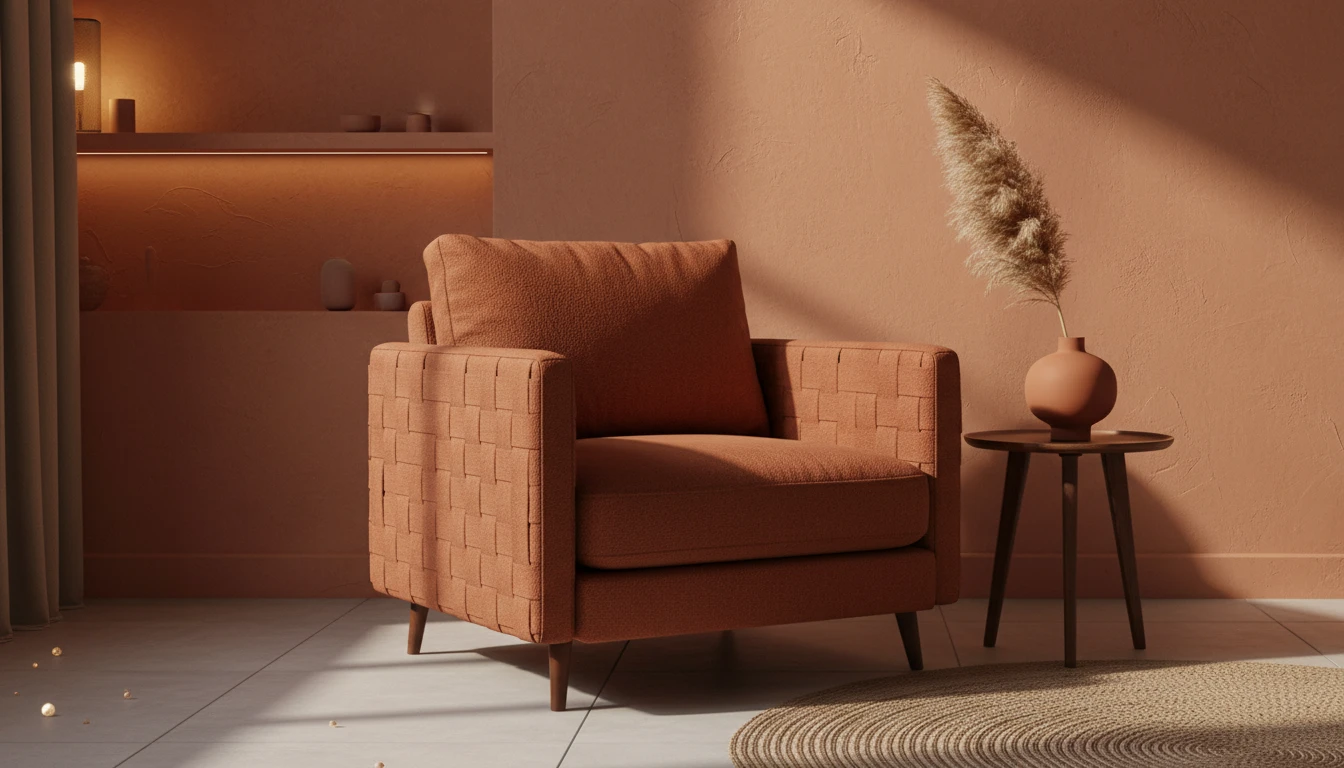
This is where lighting starts to do the job you thought you needed another accessory for. Accent lighting is used to create visual interest and drama by highlighting specific features in your home. Think of it as a spotlight for the things you love, such as a piece of art, an architectural detail like a textured wall, or a beautiful houseplant. Common forms include track lighting, picture lights, wall sconces, and uplights placed behind furniture or plants. By drawing the eye and creating focal points, accent lighting adds depth and a sophisticated, gallery-like quality to your decor, making a much stronger statement than another small object on a shelf.