

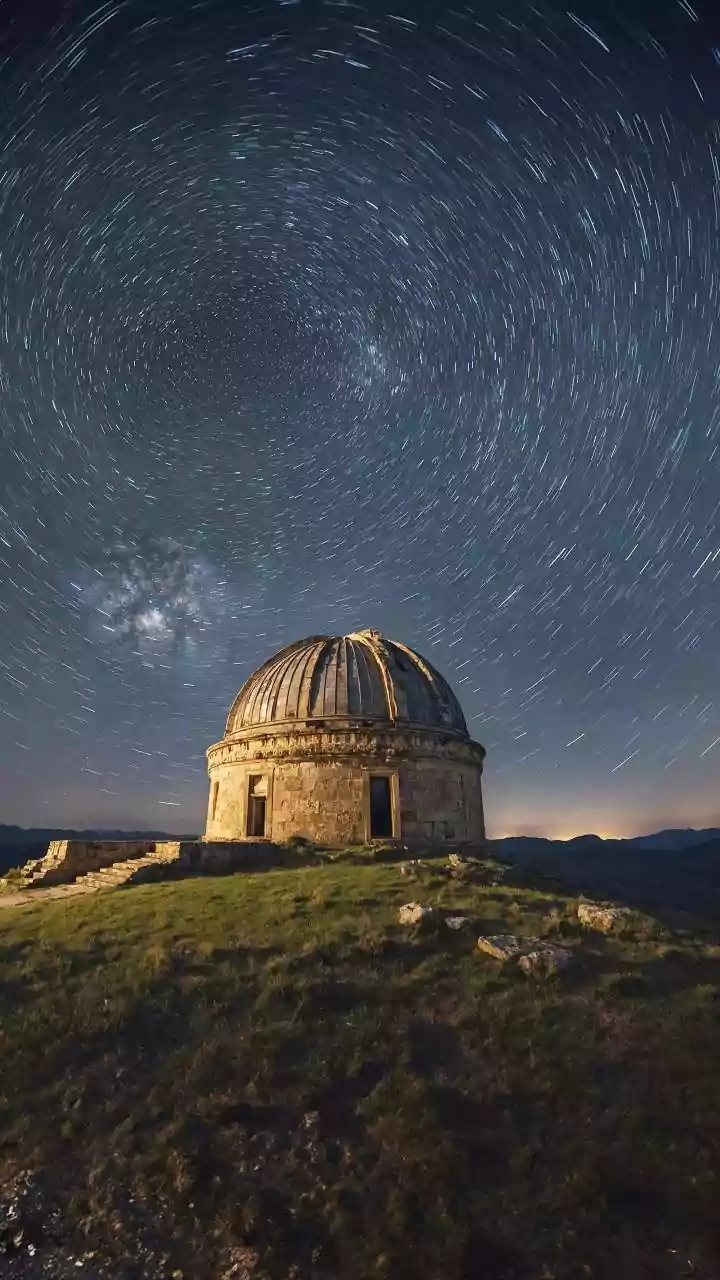
What is a Dark Sky Reserve?
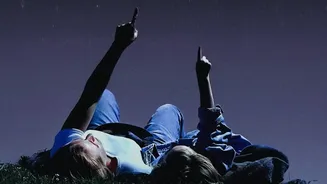
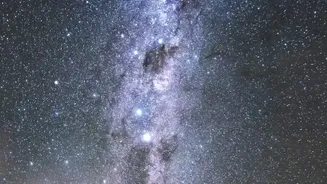
A Dark Sky Reserve is an area recognised for its exceptional starry nights, kept free from artificial light pollution. Think of it as a national park for the stars. The goal is to preserve the natural darkness of the night sky, which is crucial not just
for seeing celestial wonders, but also for wildlife and human well-being. This growing global movement fights back against the pervasive glow of cities that has made the Milky Way invisible to a vast portion of the world's population. By implementing responsible lighting policies—like using shielded, warm-hued lights and restricting unnecessary brightness—these reserves protect our view of the cosmos for future generations.
Why Hanle is India’s Celestial Sanctuary
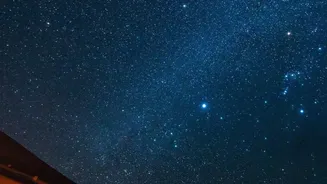
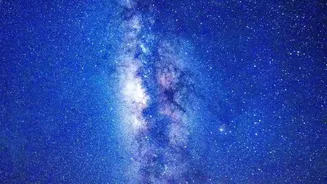
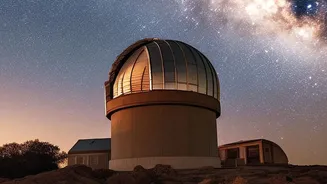
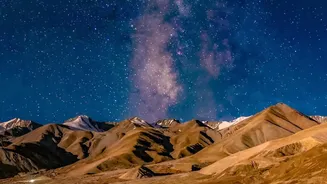
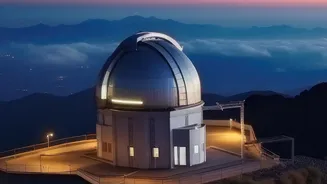
Nestled in the remote Changthang plateau at an altitude of 4,500 metres, Hanle is a stargazer's paradise. Its unique geography offers a perfect cocktail for pristine skies: high altitude, extremely dry air, and around 300 clear nights a year. This makes it one of the best locations on the planet for observing the universe. For this reason, it is already home to the Indian Astronomical Observatory (IAO), one of the world's highest-altitude observatories, operated by the Indian Institute of Astrophysics. The near-total absence of urban light pollution gives Hanle a Bortle 1 sky rating, the darkest classification possible, allowing even faint galaxies to be seen with the naked eye.
A Network Powered by the Community
The Hanle Dark Sky Reserve (HDSR), officially designated in 2022, is India's first such initiative. It covers a 22-kilometre radius around the IAO within the Changthang Wildlife Sanctuary. This effort is not just a top-down mandate but a collaborative network built through a memorandum of understanding between the UT Ladakh administration, the Ladakh Autonomous Hill Development Council, and the IIA. Local communities are at the heart of the project. Villagers have been trained as 'Astronomy Ambassadors' and equipped with telescopes to guide tourists. To curb light pollution, homes are being fitted with light-blocking curtains and specialised outdoor lamps that direct light downwards, ensuring the skies remain dark for both science and tourism.
Boosting Science and Local Livelihoods
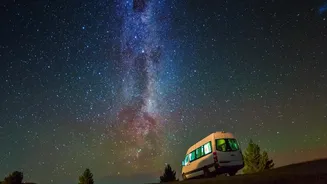
The HDSR serves a powerful dual purpose. For scientists at the IAO, it guarantees that their sensitive instruments can continue to probe deep space without interference from artificial light, aiding research into everything from distant galaxies to gamma-ray bursts. For the local community, it creates a new and sustainable economic engine: astro-tourism. This model provides an alternative livelihood to traditional pastoralism, allowing residents to earn income as guides and homestay operators. Visitors get a profound experience—witnessing the cosmos through powerful telescopes—while their spending directly supports the local economy, creating a win-win for conservation and development.
India's Place in a Global Movement
The creation of the Hanle Dark Sky Reserve places India on the global map of night sky conservation. It is the first reserve of its kind not just in the country, but in all of South Asia. The initiative aligns with a worldwide effort to reclaim the night from the glare of artificial lighting, which wastes energy, harms wildlife, and disrupts human health. By successfully balancing scientific needs, environmental protection, and community empowerment, Hanle provides a powerful blueprint. It demonstrates how a remote region can lead the way in preserving a natural resource that is becoming increasingly scarce, offering a model that other areas in India and beyond could follow to protect their own celestial heritage.