


The Elegant Peace Lily
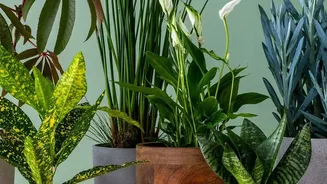
The Peace Lily is a popular choice for indoor spaces not just for its elegant white blooms and glossy leaves, but also for its functionality. Native to tropical rainforests, it thrives in humid environments, absorbing moisture from the air through its leaves.
This makes it an excellent companion for areas prone to dampness, like bathrooms and kitchens. While it loves humidity, it's sensitive to overwatering, so it's best to let the soil dry out slightly between waterings. Peace Lilies are also renowned for their air-purifying qualities, capable of filtering common household toxins. They tolerate lower light conditions, a common feature of many apartments, making them both a beautiful and practical addition.
The Hardy Snake Plant
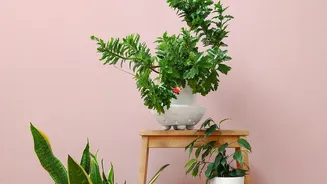
Known for being almost indestructible, the Snake Plant (Sansevieria) is a perfect pick for both novice plant owners and those with busy lifestyles. Its thick, upright leaves store water, making it highly drought-tolerant and forgiving of infrequent watering. While it doesn't absorb massive amounts of humidity, it tolerates moist conditions well and is an effective air purifier, releasing oxygen at night. Its ability to withstand a wide range of light conditions, from low light to bright indirect sunlight, makes it incredibly versatile for any room in a small apartment. This resilience, combined with its striking vertical form, provides both style and a subtle air-quality boost.
The Lush Boston Fern
With its feathery, arching fronds, the Boston Fern is a classic houseplant that excels in humid conditions. Native to subtropical and tropical forests, it naturally absorbs moisture from its surroundings, helping to balance a room's humidity. This makes it particularly well-suited for a bathroom with a shower, where it can soak up the steam it loves. However, its love for moisture means it requires consistently damp soil and a humid environment to prevent its fronds from turning brown and crispy. While it requires a bit more attention than other plants on this list, its effectiveness as a natural dehumidifier and air purifier is a significant benefit.
The Versatile Spider Plant
The Spider Plant is celebrated for its resilience and impressive air-purifying capabilities. It's highly efficient at removing common household toxins from the air. These plants also help manage moisture, thriving in humid environments like kitchens and bathrooms where they can absorb water from the air through their leaves. One of its most charming features is the production of 'spiderettes,' or baby plants, that can be easily propagated to expand your collection. They are adaptable to various light conditions but prefer bright, indirect light. Their ability to improve air quality and slightly increase humidity through transpiration makes them a healthy addition to any living space.
The Unique Tillandsia (Air Plant)
Tillandsia, commonly known as air plants, are unique because they don't need soil to survive. These epiphytes absorb all their water and nutrients directly from the air through specialized structures on their leaves called trichomes. This makes them natural candidates for helping to manage ambient humidity. In a very humid environment, like a steamy bathroom, an air plant can pull a significant amount of its required moisture directly from the atmosphere. They are low-maintenance and can be placed almost anywhere that receives bright, filtered light, adding a touch of modern, soil-free greenery to small spaces.
Going Further with Clay Absorbers
For areas with persistent dampness, clay moisture absorbers offer a passive, non-electric solution. These products typically contain bentonite clay, a natural mineral with a highly porous structure that traps water vapor from the air through a process called adsorption. They are safe, non-toxic, and environmentally friendly. Available as small packets or balls, clay absorbers can be placed in closets, cabinets, or small bathrooms to combat musty odours and prevent mould growth. While they don't have the aesthetic appeal of a plant, they are highly effective and can often be 'recharged' by drying them out in an oven, making them a reusable and cost-effective tool for controlling humidity in compact living spaces.