
When winter arrives, it transforms familiar landscapes into magical scenes. Some of the most spectacular examples of this artistry can be found in the world's great lakes, which freeze over to create breathtaking natural phenomena.
Lake Baikal, Russia: The Pearl of Siberia
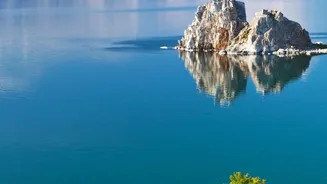
Deep in Siberia lies
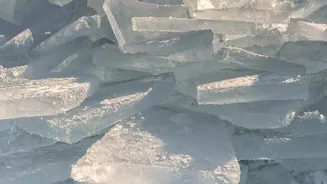
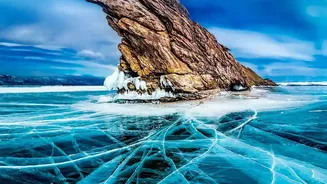
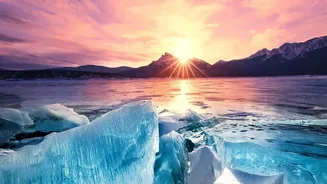
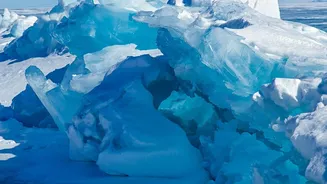
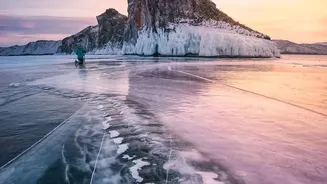
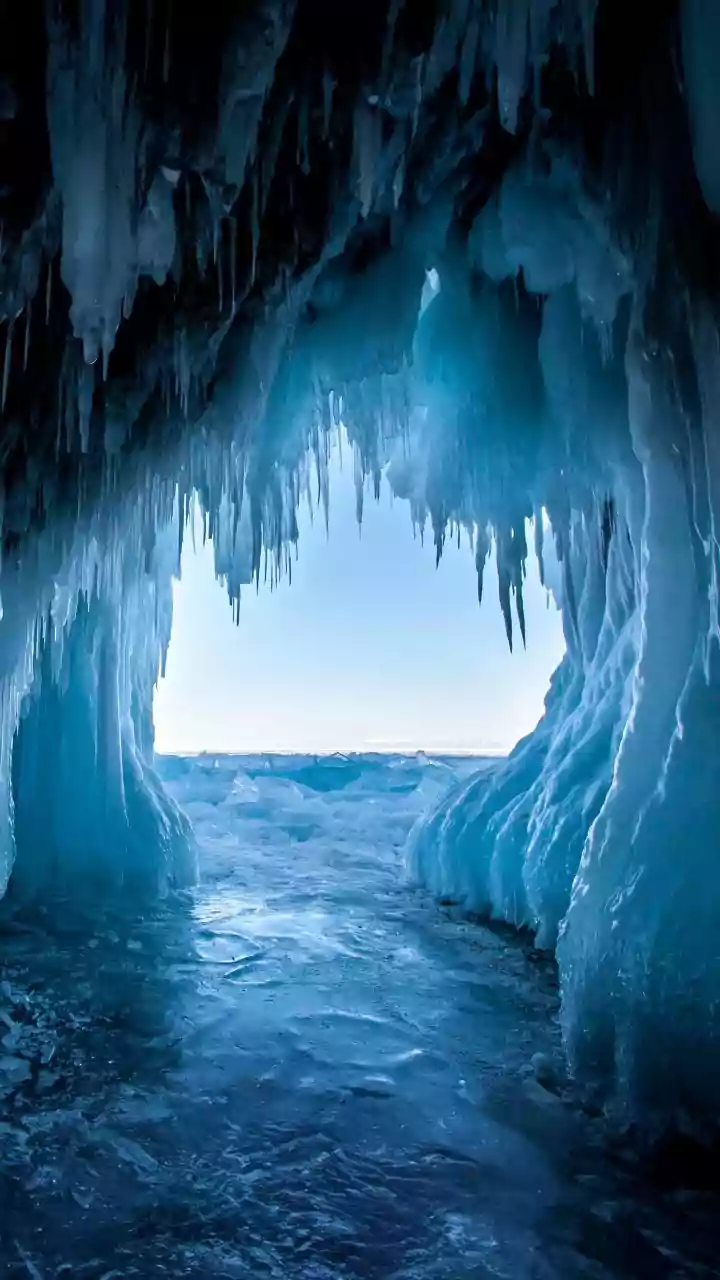
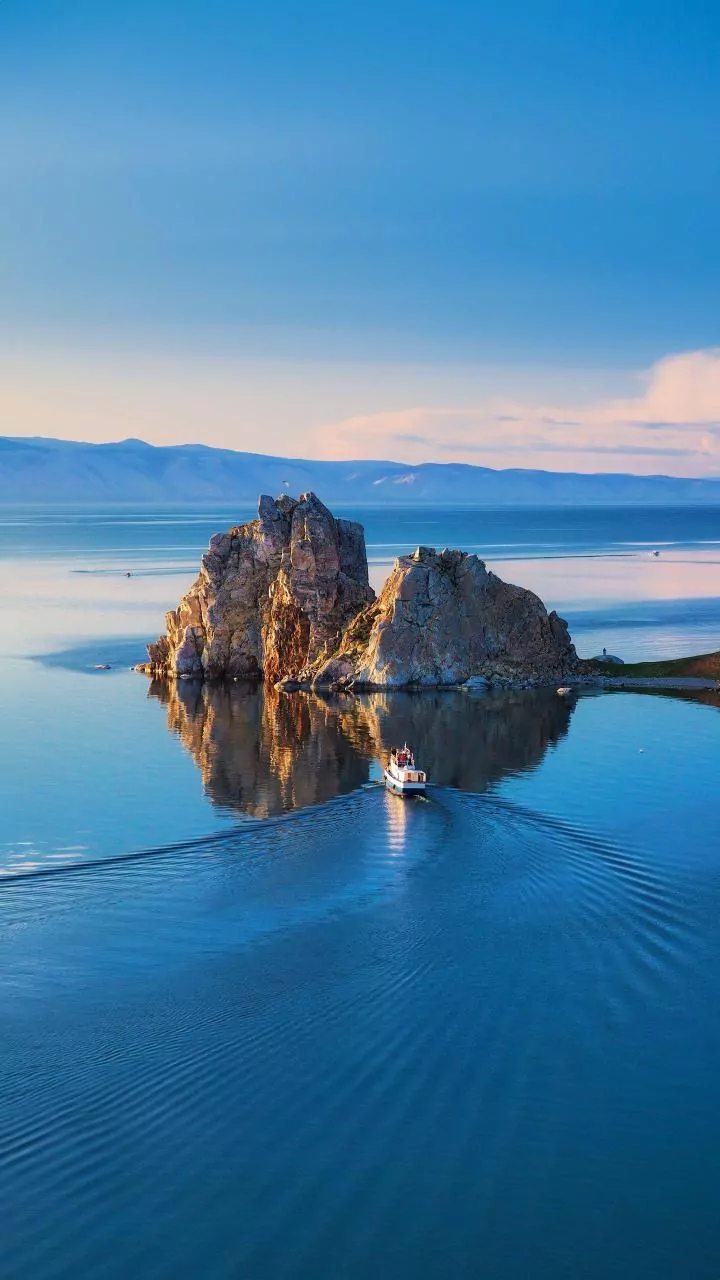
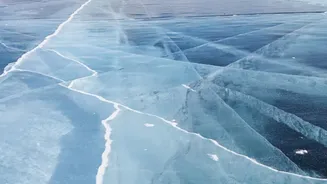
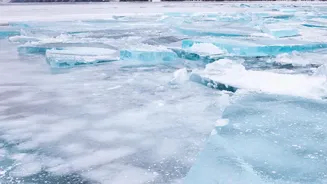
Lake Baikal, the world's oldest, deepest, and largest freshwater lake by volume. From January through May, this UNESCO World Heritage site freezes over, with ice reaching up to 1.5 meters thick—strong enough to support vehicles. What makes Baikal's ice so remarkable is its incredible transparency. The lake's water is exceptionally pure, containing very few suspended particles, which allows for visibility up to 40 meters below the glassy surface. This clarity creates a surreal experience of walking on water. Another stunning feature is the formation of turquoise ice hummocks, where pressure and wind cause the ice to crack and refreeze into vibrant blue shards that jut out from the surface. While often associated with methane bubbles, recent studies suggest another phenomenon creates the giant ice rings visible from space: warm, circular underwater currents, or eddies, that melt the ice from below in a perfect circle.
Abraham Lake, Canada: A Gallery of Frozen Bubbles
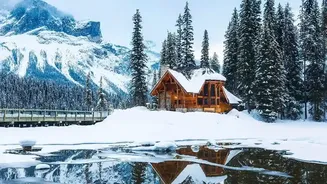
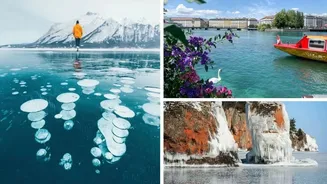
Nestled in the Canadian Rockies, Abraham Lake offers a different kind of frozen magic. Though a man-made reservoir, it has become world-famous for the stacks of white, frozen bubbles trapped beneath its clear ice. This otherworldly sight is created by methane gas released from decomposing organic matter, like plants and trees, at the bottom of the lake. As the gas rises, it gets trapped in successive layers of ice as the lake freezes from the top down, creating vertical columns of suspended bubbles. The effect is like a natural lava lamp frozen in time. The area's strong, consistent winds play a crucial role, sweeping snow off the surface and keeping the ice polished and clear for viewing. The best time to witness this phenomenon is typically from mid-January to early February, when the ice is thickest and most transparent.
Pangong Tso, India/Tibet: The High-Altitude Saltwater Wonder
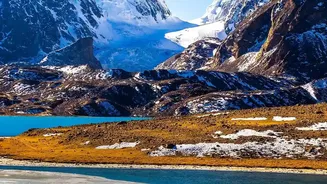
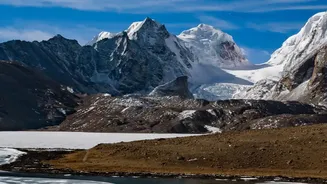
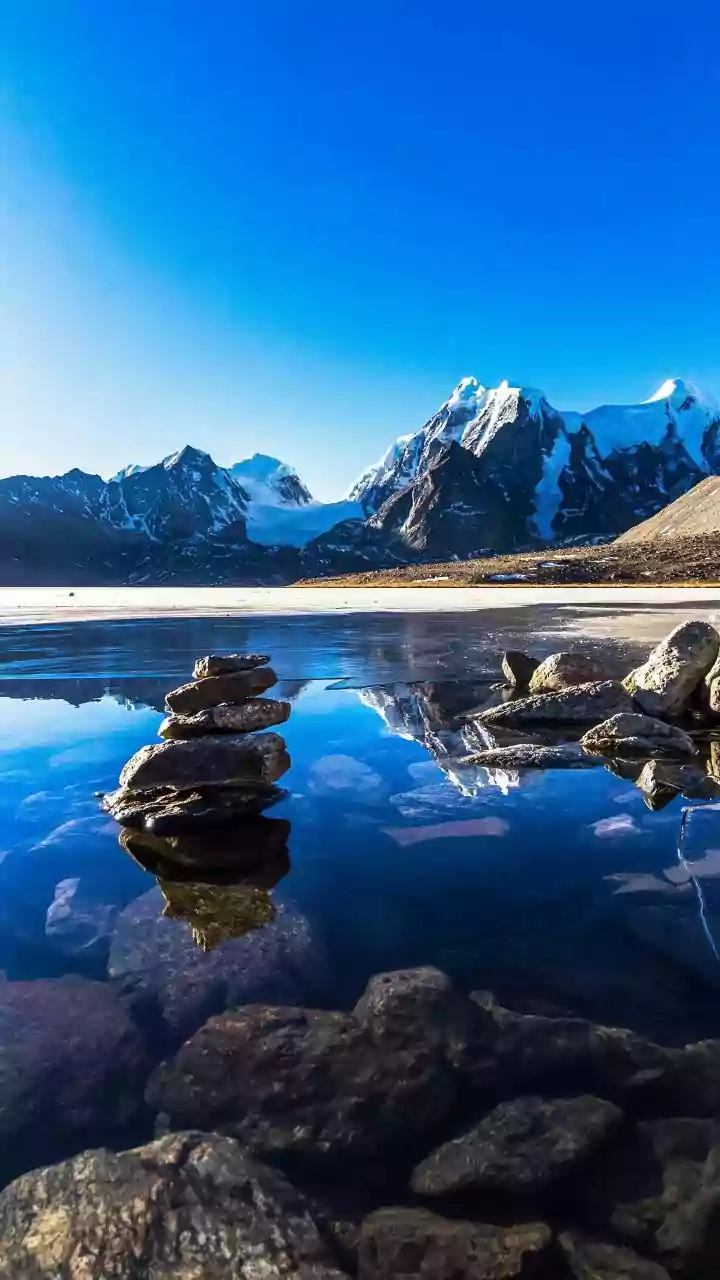
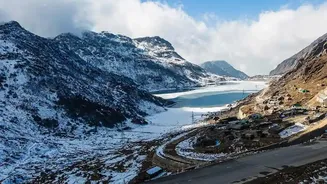
Straddling the border between India and Tibet, Pangong Tso is one of the highest saltwater lakes in the world, situated at an altitude of over 4,350 meters. Despite its salinity, the lake freezes completely solid during the harsh Himalayan winter, typically from January to February. Temperatures can plummet to -25°C, transforming the vast expanse of water into a glittering sheet of ice that reflects the surrounding snow-capped mountains. The stark, high-altitude desert landscape combined with the sparkling frozen surface creates a truly unique and serene spectacle. It has become a destination for adventure-seekers, even hosting a frozen lake marathon in late February.
Jökulsárlón, Iceland: Where Icebergs Meet the Sea
Iceland's deepest and most famous glacial lagoon, Jökulsárlón, presents a dynamic frozen landscape. Formed by the retreating Breiðamerkurjökull glacier, the lagoon is filled with icebergs that have calved off the glacier's edge. Unlike the other lakes on this list, Jökulsárlón rarely freezes completely solid due to its depth and connection to the Atlantic Ocean. Instead, smaller ice floes and thin sheets of ice form around the massive, sculptural icebergs that float in the lagoon. These chunks of ancient ice, some a startling blue colour, drift slowly towards the ocean, eventually washing ashore on the nearby black sand beach, aptly named Diamond Beach. The contrast of the clear and blue ice against the black volcanic sand is an unforgettable sight, especially under the glow of the Northern Lights.