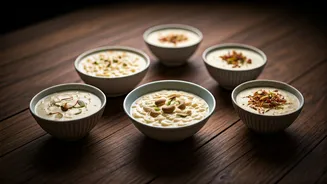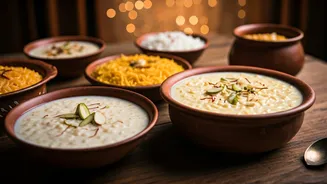


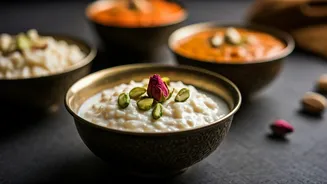
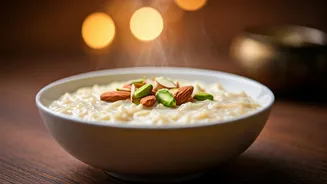



The Timeless Classic: Chawal Ki Kheer
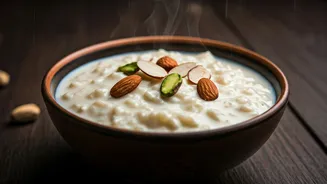
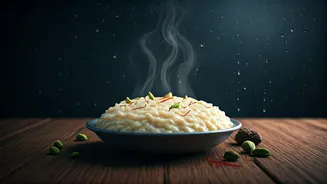
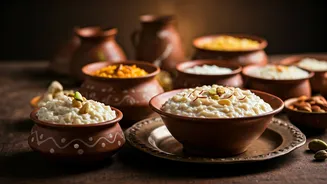
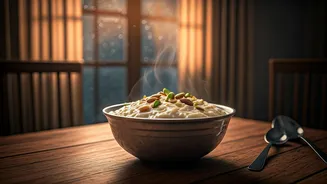
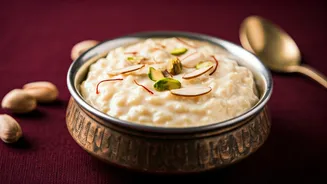
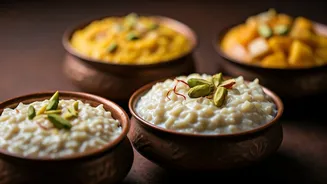
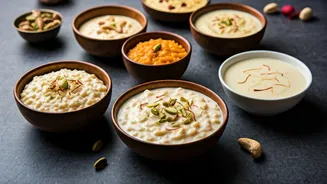
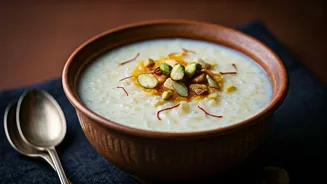
This is the kheer that often comes to mind first—a simple, elegant pudding made with rice and milk, slow-cooked to perfection. The magic lies in its simplicity and the creamy texture achieved by patiently simmering full-fat milk until it reduces and thickens
naturally. For the best aroma, use a fragrant, short-grain rice like Gobindobhog or a good quality Basmati. The key is to cook on a low flame, stirring frequently to prevent the milk from scorching and to help the rice grains break down, releasing their starch to create a rich, creamy consistency. Add sugar only after the rice is completely soft to ensure the perfect texture. Finish with a pinch of cardamom powder, a few strands of saffron, and a garnish of slivered almonds or pistachios.
The Quick Fix: Seviyan Kheer
When you crave the comfort of kheer but are short on time, Seviyan Kheer (vermicelli pudding) is the perfect answer. This version comes together in about 20 minutes and is a staple for quick celebrations and weekday dessert cravings. The process begins by roasting thin vermicelli (seviyan) in a little ghee until it turns a beautiful golden brown, which imparts a wonderful nutty aroma. Then, milk is added and brought to a simmer. The vermicelli cooks much faster than rice, swelling and softening within minutes. Sugar, cardamom, and nuts are stirred in, and the kheer is simmered until it reaches a creamy consistency. It can be served warm right away or chilled in the refrigerator, though it will thicken as it cools.
The Regal Indulgence: Badam Kheer
For a truly luxurious and rich dessert, Badam Kheer is unmatched. Made from a fine paste of blanched almonds, this pudding is exceptionally creamy and flavourful. To make it, almonds are soaked in hot water, peeled, and then ground into a smooth paste with a little milk. This paste is then cooked with more milk, sugar, and fragrant saffron until the mixture thickens into a royal pudding. Unlike rice kheer, the thickness here comes from the almonds themselves, creating a dense, velvety texture. Some recipes also incorporate a small amount of rice or rice flour for added body. Garnished with sliced almonds and pistachios, Badam Kheer is a dessert reserved for special occasions, offering a rich and nutty taste that is pure indulgence.
The Earthy Delight: Nolen Gurer Payesh
A winter delicacy from Bengal, Nolen Gurer Payesh is a variation of rice kheer that uses a special ingredient: nolen gur, or date palm jaggery. This jaggery imparts a unique, smoky, and caramel-like flavour and a beautiful pinkish-brown hue that sets it apart from any other kheer. The preparation is similar to traditional rice kheer, with rice slow-cooked in milk until creamy. The crucial step is to add the jaggery only after the payesh has been taken off the heat and allowed to cool slightly. Adding jaggery to boiling hot milk can cause it to curdle. The warmth of the kheer is enough to melt the jaggery, infusing the dessert with its distinctive, rustic aroma and sweetness. Often made with fragrant Gobindobhog rice, this payesh is a true seasonal treat.
Tips for Perfect Kheer Every Time
Regardless of the recipe, a few key principles will help you master the art of kheer. Always use full-fat milk for the creamiest, richest result; low-fat milk can lead to a watery consistency. Cook on a low, gentle flame and stir regularly, scraping the bottom and sides of the pot to prevent the milk from burning and to incorporate the thickened milk solids (malai) back into the pudding. Be patient; slow cooking is what develops the deep, caramelized flavour. Finally, add sugar and delicate aromatics like cardamom or rose water towards the end of the cooking process to preserve their fresh flavour.