




The Magic of the Rain Shadow
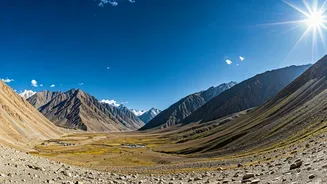
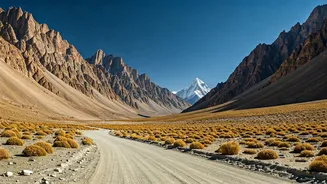
Spiti’s secret to staying dry lies in its unique geography. Situated in the rain shadow of the Great Himalayan Range, the towering peaks physically block the moisture-laden monsoon clouds from entering the valley. While the rest of Himachal Pradesh receives
heavy rainfall, Spiti experiences clear skies, minimal precipitation, and an abundance of sunshine, making it an ideal travel destination from June to September. This phenomenon creates a starkly beautiful cold desert environment, a world away from the lush greenery the monsoon brings elsewhere.
A Landscape of Otherworldly Beauty
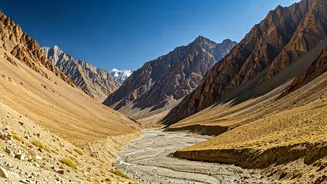
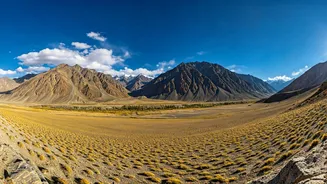
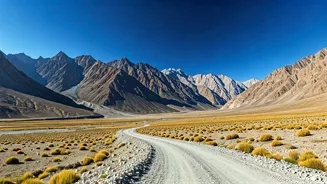
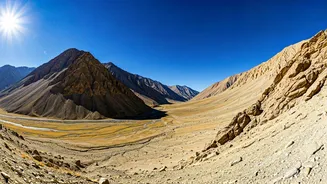
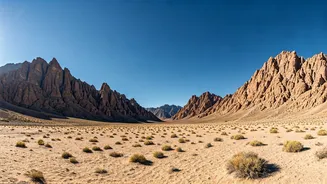
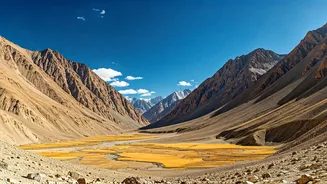
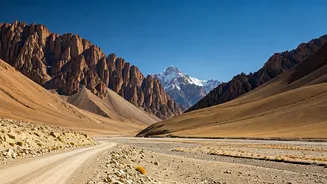
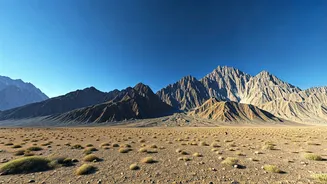
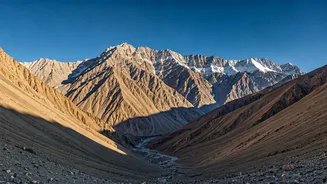
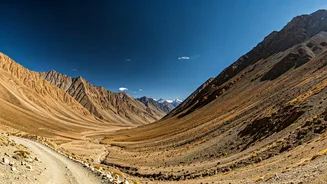
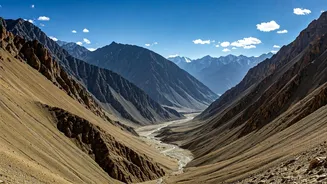
Prepare to be mesmerised by a landscape that feels like another planet. Spiti is a canvas of barren, multi-hued mountains, deep gorges carved by the turquoise Spiti River, and vast, open valleys that inspire a sense of awe. This is a place of minimal, raw beauty. Quaint villages with whitewashed, flat-roofed houses cling to mountainsides, and ancient monasteries are perched dramatically on cliffs. The contrast of the brown, arid mountains against the deep blue sky is a photographer's dream, offering dramatic vistas at every turn.
Ancient Monasteries and High-Altitude Wonders
Spiti is a centre of Tibetan Buddhism, and its monasteries are the cultural and spiritual heart of the valley. Don't miss the iconic Key Monastery, the largest in Spiti, which resembles a fortress clinging to a hilltop. The Tabo Monastery, over a thousand years old, is a UNESCO World Heritage Site renowned for its exquisite murals. Beyond the monasteries, journey to some of the world's highest inhabited villages. Komic, sitting at over 14,000 feet, offers breathtaking views, while Hikkim boasts the world's highest post office—a perfect spot to send a postcard from the top of the world. Langza village, with its giant Buddha statue overlooking the valley, is another must-visit.
How to Plan Your Spiti Expedition
Reaching Spiti is an adventure in itself. There are two primary road routes. The first is from Shimla via Kinnaur, which is a longer, more gradual ascent, making it the recommended choice for better acclimatisation. This route is generally open for most of the year. The second route is from Manali via the Rohtang and Kunzum passes. This path is shorter and scenically dramatic but opens only around early June and involves a rapid gain in altitude. For a balanced trip, many travellers prefer entering via Shimla and exiting via Manali. No matter the route, plan for a journey of at least 7-9 days to do justice to the region and allow your body to adjust.
The Crucial Rule: Acclimatise and Go Slow
Altitude sickness, or Acute Mountain Sickness (AMS), is a real risk in Spiti, where the average elevation is over 12,500 feet. The key to avoiding it is gradual acclimatisation. Spend your first few nights at lower altitudes like Kalpa or Tabo before moving to the higher Kaza area. Hydration is essential—aim to drink 3-4 litres of water daily. Avoid strenuous activity on your first couple of days at a new altitude, walk slowly, and listen to your body. Symptoms like headaches, dizziness, and nausea should not be ignored. If they persist or worsen, the only cure is to descend to a lower altitude.
Travel Responsibly in a Fragile Land
Spiti's ecosystem is delicate, and its culture is unique. As a visitor, it's vital to travel responsibly. Minimise your plastic use and carry your non-biodegradable waste back with you. Support the local economy by staying in homestays, which offer an authentic glimpse into Spitian life and ensure that your money directly benefits the community. Respect local customs, dress modestly, and always ask for permission before photographing people or entering religious sanctums. Choosing a travel operator that prioritises sustainable practices can also make a positive impact.