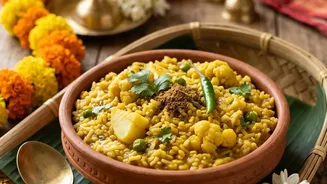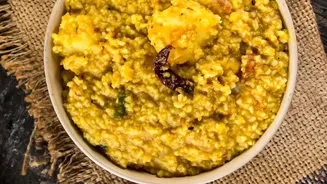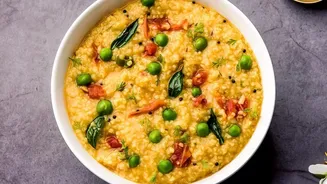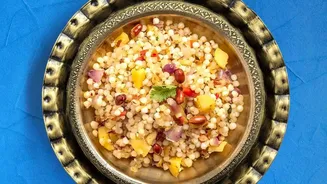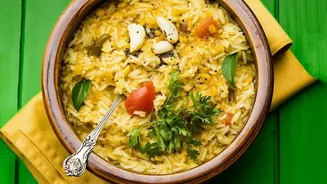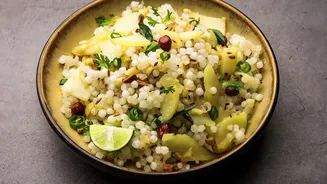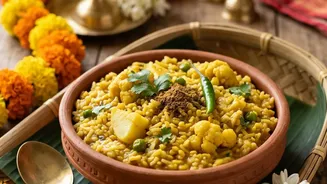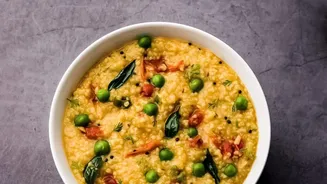

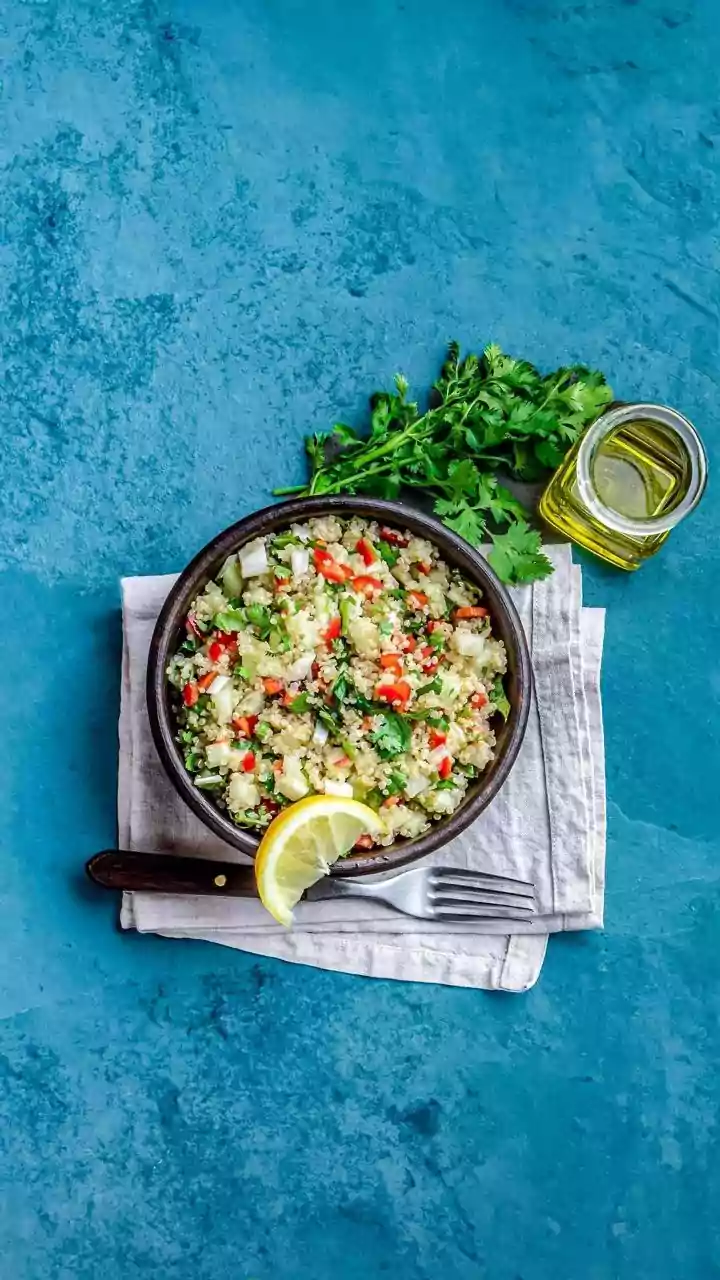
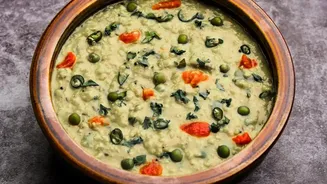
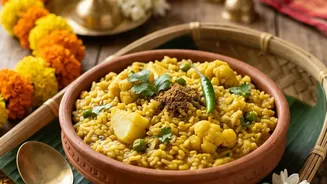
In the world of Indian comfort food, Dalia and Khichdi are undisputed champions. Both are wholesome, simple, and deeply satisfying. But when you place them side-by-side in a nutritional face-off, especially on fibre, which one truly comes out on top?
Meet the Contenders: What Are They?
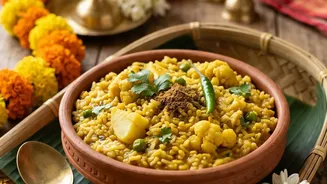
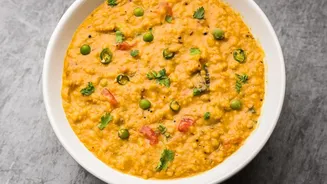
First, let's get to know our two dishes. Dalia, also known as cracked or broken wheat, is a whole grain that has been minimally processed. Because it retains the nutrient-rich bran and germ, it’s considered a nutritional powerhouse. It's often cooked into a savoury porridge with vegetables or a sweet 'kheer'. Khichdi, on the other hand, is a versatile one-pot meal made by cooking rice and lentils (most commonly moong dal) together. Its simplicity and gentle nature make it a go-to recovery food, but its ingredient list can be adapted in countless ways.
The Fibre Showdown: Dalia's Clear Advantage
When it comes to dietary fibre, Dalia has a significant edge. A 100-gram serving of uncooked Dalia packs an impressive 10 to 12 grams of fibre. This high fibre content is its main superpower. It aids digestion, helps prevent constipation, and promotes a feeling of fullness, which is a great asset for weight management. This fibre also slows the release of sugar into the bloodstream, making Dalia an excellent choice for those managing blood sugar levels. Its low glycemic index (GI) of around 41 means it provides a slow, steady release of energy without causing sharp spikes in blood glucose.
Khichdi's Hidden Potential for Fibre
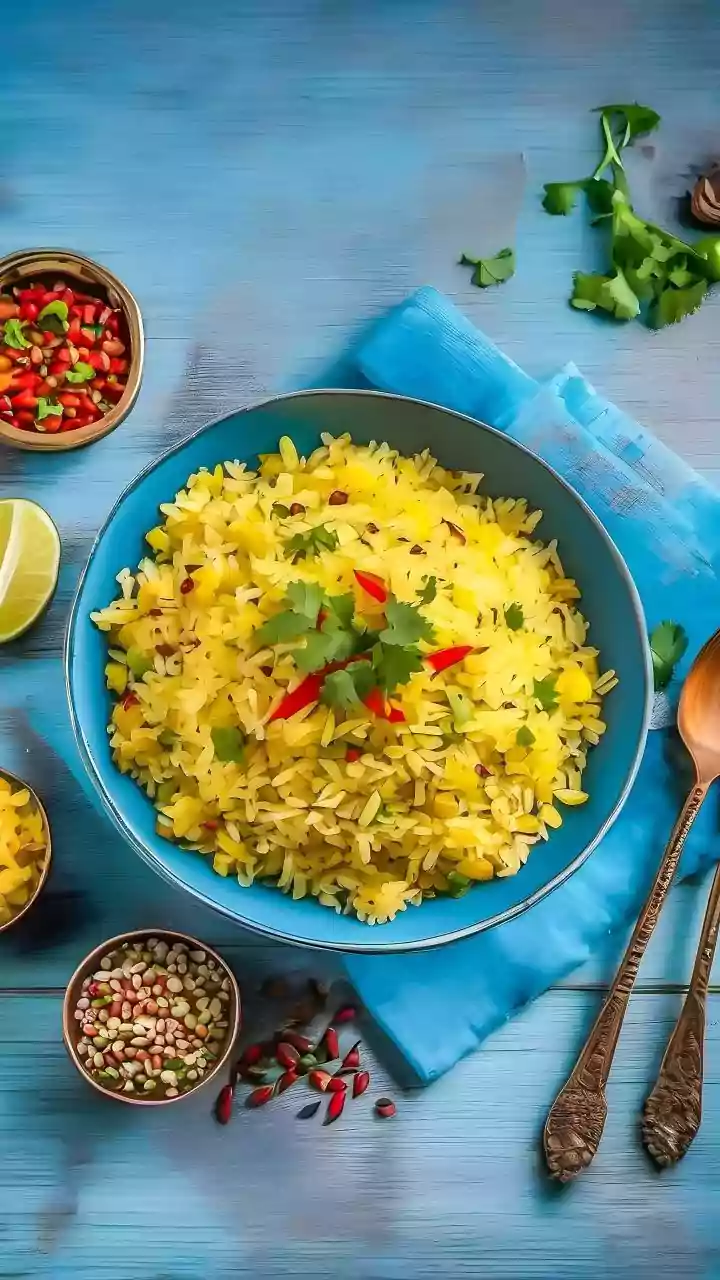
A standard Khichdi made with white rice and moong dal has a more modest fibre content, typically around 2 to 4 grams per serving. However, Khichdi's nutritional profile is not fixed; it’s a story of potential. You can dramatically increase its fibre by making smart swaps. Using brown rice, millets like bajra or jowar, or even Dalia itself in place of white rice can significantly boost the fibre. Furthermore, loading the Khichdi with fibre-rich vegetables like carrots, peas, beans, and spinach can easily elevate its nutritional value, making it a much stronger contender.
Beyond Fibre: A Look at Overall Nutrition
Nutrition is more than just fibre. Here, the comparison becomes more nuanced. Khichdi shines when it comes to protein quality. The combination of a cereal (rice) and a pulse (dal) creates a 'complete protein', providing all nine essential amino acids your body needs for functions like muscle repair. Dalia, while containing a good amount of protein (around 12 grams per 100g, uncooked), is not a complete protein on its own. However, Dalia is rich in complex carbohydrates that provide sustained energy. Khichdi is famously easy to digest, making it ideal for recovery from illness, for children, and for the elderly.
The Verdict: Which One Is for You?
So, which dish wins? The answer truly depends on your personal health goals. For weight management and blood sugar control, Dalia's high fibre and low GI give it a clear advantage. It will keep you fuller for longer and provide sustained energy. For muscle building, recovery, or when you need a meal that's gentle on the stomach, Khichdi is the superior choice due to its complete protein profile and easy digestibility. Ultimately, you don't have to choose. A 'Dalia Khichdi', made by replacing rice with broken wheat and cooking it with dal and vegetables, offers the best of both worlds: high fibre and complete protein.
How to Maximise the Health Benefits
Whichever you choose, a few simple tricks can enhance the nutritional value of your meal. For both Dalia and Khichdi, be generous with adding a variety of colourful vegetables to boost vitamins, minerals, and, of course, fibre. When making Khichdi, try increasing the ratio of dal to rice, or use whole grains like brown rice or millets. Be mindful of the amount of ghee or oil used; a little goes a long way. Pairing your meal with a side of curd can add a dose of probiotics and further increase the protein content.