



What the Viral Video Showed
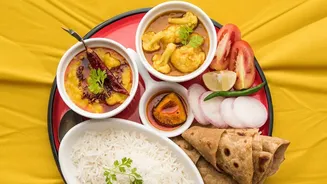
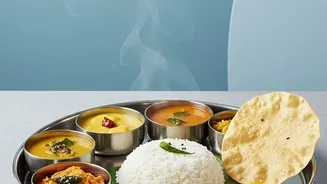
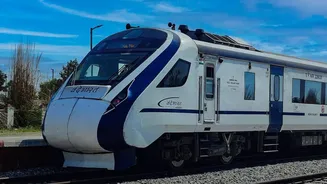
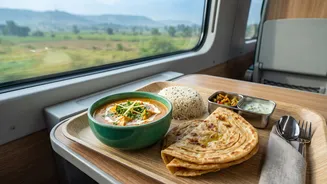
Social media was abuzz after a passenger on the recently launched Bengaluru-Goa Vande Bharat Express shared a video of their meal. The post highlighted the food served, with some viewers questioning the portion size and whether it lived up to the 'premium'
experience promised by the Vande Bharat brand. The video quickly gained traction, with many weighing in on their own experiences with railway catering, turning a single meal into a larger conversation about value and quality on India's fastest trains.
The Official Response from Railways
In response to the growing discussion, railway authorities were quick to provide context. Officials from Indian Railway Catering and Tourism Corporation (IRCTC) clarified that the meal depicted in the video was just one of many possibilities. They explained that Vande Bharat trains do not have a fixed, permanent menu. Instead, the menus are rotational and change cyclically. This is a deliberate policy designed to offer variety to frequent travellers and prevent the monotony of being served the same food on every journey. The response aimed to reassure passengers that a single meal on a particular day is not representative of the entire catering service.
How Vande Bharat Catering Actually Works
The catering system on Vande Bharat trains is designed to be dynamic. IRCTC, which manages the service, curates menus that often incorporate regional culinary specialties based on the train's route. For example, a train running through Gujarat might feature local dishes, while a service in the south might offer items like idli or vada for breakfast. Passengers have the option to opt out of meals altogether when booking their tickets, which reduces the fare. The menu also depends on the time of day, with different offerings for breakfast, lunch, evening snacks, and dinner. This rotational and region-specific approach means the passenger experience can vary significantly from one route—and even one day—to the next.
A Single Meal Versus a Systemic Issue
While the viral video sparked an important conversation, it's crucial to distinguish between a one-off experience and a systemic failure. Passenger feedback on Vande Bharat's food is often mixed. Some travellers have praised the quality and improvement over previous railway catering. Others have echoed the complaints seen in viral videos, citing issues with quality, temperature, or portion size. IRCTC has previously responded to such complaints by taking corrective measures, including imposing penalties on service providers when standards are not met. This suggests that while quality control can sometimes be a challenge across a vast network, there are mechanisms in place to address shortcomings when they are officially reported.
Beyond the Viral Clip: Giving Effective Feedback
The incident underscores the power of social media in holding services accountable. However, for direct and effective resolution, railway authorities encourage passengers to use official channels. Platforms like RailMadad and the helpline number 139 are designed to formally register complaints, ensuring they are tracked and addressed by the concerned officials. While a viral video can draw widespread attention, a formal complaint creates an official record and triggers a specific review process. For passengers who are unsatisfied with any aspect of their journey, from food to cleanliness, these official channels remain the most direct path to seeking redressal and contributing to service improvements.