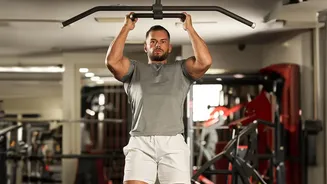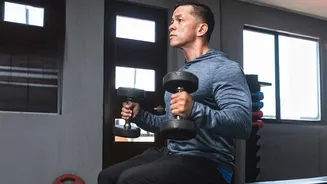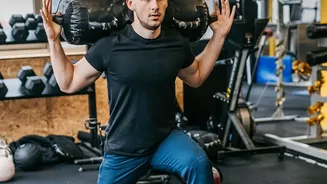








The clanking of heavy weights once belonged to a niche world of bodybuilders. Today, the squat rack is busier than the treadmill, as people from all walks of life embrace strength training not just for muscle, but for a better, longer life.
More Than Just Muscles
For decades,
the mainstream perception of fitness was dominated by cardiovascular exercise. The goal was often singular: burn calories. But a cultural and scientific shift is underway. People are discovering that strength training offers a much broader spectrum of benefits that resonate with modern life. The focus has moved from simply 'getting skinny' to 'getting strong'. This new perspective champions strength for its functional advantages, such as improved longevity, better mental health, and enhanced daily performance. Research has shown that muscle strength is a powerful predictor of lifespan, sometimes even more so than cardiovascular fitness. Moreover, lifting weights has been found to reduce symptoms of anxiety and depression, offering a potent tool for mental wellness. This holistic view of health is drawing people who were previously intimidated or uninterested in the world of weights.
Strength for Real-World Demands
One of the most compelling reasons for strength training's rise is its direct application to everyday activities, a concept known as functional fitness. Unlike exercises that isolate small muscles, functional strength workouts focus on compound movements like squats, deadlifts, and overhead presses. These exercises mimic natural motions such as lifting groceries, carrying a child, or placing a heavy item on a high shelf. By building strength in these fundamental patterns, individuals find that daily tasks become easier and the risk of injury decreases. This practicality appeals to a wide demographic, from parents navigating the physical demands of childcare to desk workers seeking to correct poor posture and prevent back pain. The goal is no longer just to look better, but to live better and more capably.
The Changing Face of the Fitness Space
The move toward strength training has also reshaped the fitness landscape itself. While large, value-oriented gyms still dominate the market in India, the fastest-growing segment is boutique fitness studios. These smaller, specialized spaces often focus on specific modalities like high-intensity interval training (HIIT), CrossFit, or small-group strength classes, creating a strong sense of community and providing expert guidance. This trend reflects a consumer desire for more personalized, immersive, and community-driven experiences. In India, the fitness industry is projected to more than double its revenue by 2030, growing from ₹16,200 crore in 2024 to an estimated ₹37,700 crore. Boutique studios are expected to be a major engine of this growth, with a projected annual growth rate of nearly 19%.
A More Inclusive Fitness Culture
Perhaps the most significant change is who is participating. The stereotype of the male-dominated weights area is fading fast as more women, older adults, and people of all body types embrace resistance training. Social media has played a role, with influencers shifting the narrative from weight loss to strength gains, celebrating personal records and physical capability. This has been particularly powerful for women, who are increasingly engaging in strength sports like powerlifting. Furthermore, the health benefits—such as building bone density to combat osteoporosis and maintaining muscle mass to fight age-related decline—are making strength training an essential activity for longterm health, not just a pursuit for the young. The message is clear: strength is for everyone, regardless of age or gender.